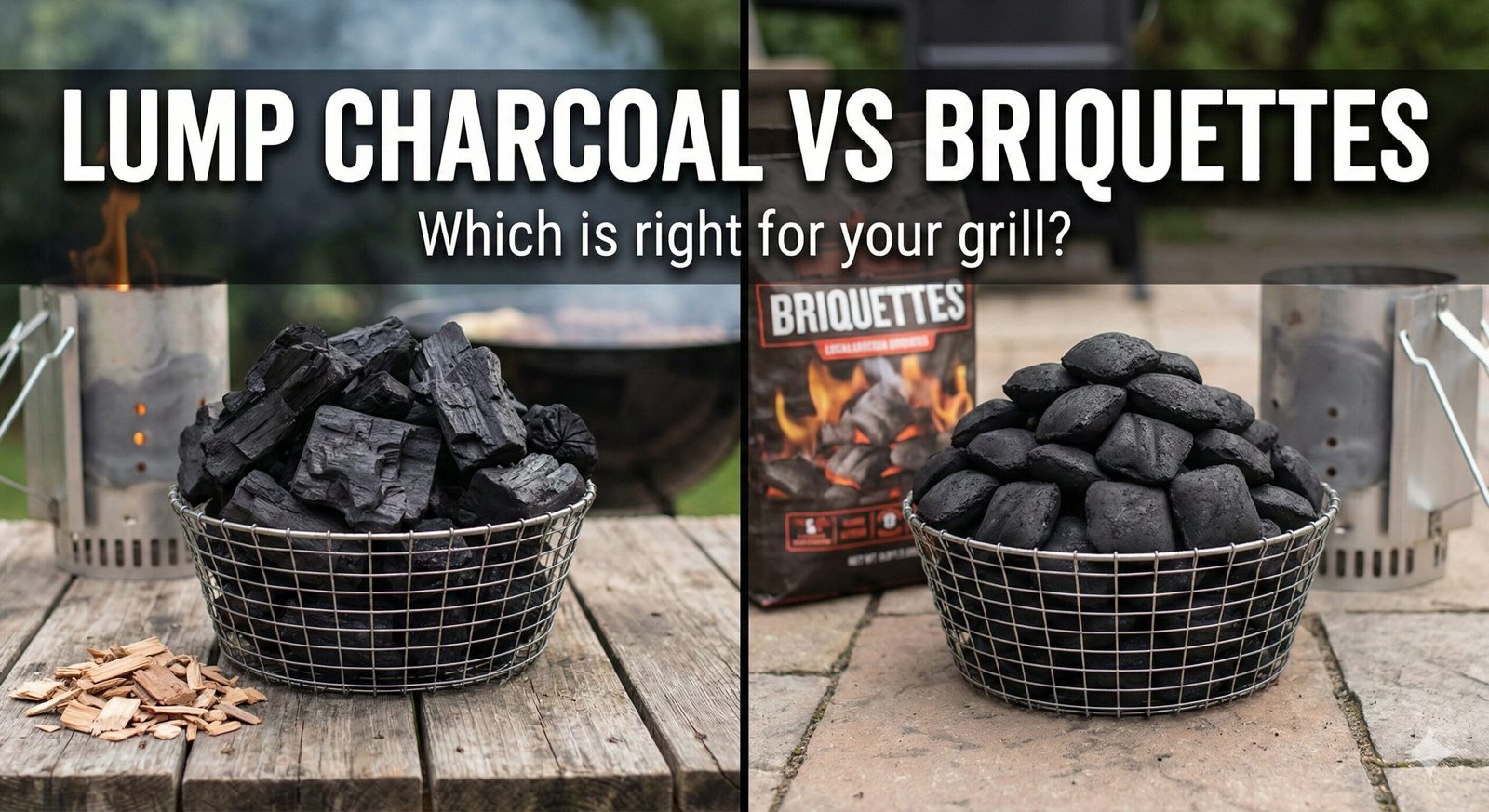

Quick Overview of Lump Charcoal and Briquettes
The debate between lump charcoal and briquettes is as old as the backyard barbecue itself. Choosing the right fuel is arguably more important than the grill you use, as it dictates flavor, heat consistency, and cooking time.
Lump Charcoal is the “purist’s choice.” It is simply wood burnt down to carbon in a low-oxygen environment. It lights fast, burns extremely hot, and leaves very little ash. However, it burns unpredictably.
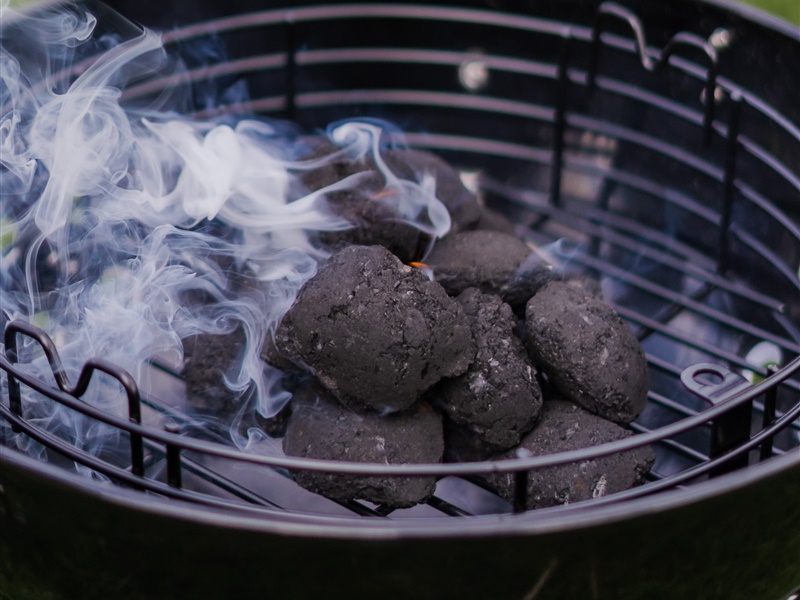
Briquettes are the “reliable workhorse.” They are compressed blocks of sawdust, binders, and coal dust. They burn at a steady, consistent temperature for a long time, making them ideal for long cooks, though they produce significantly more ash.
Key Differences at a Glance
| Feature | Lump Charcoal | Briquettes |
|---|---|---|
| Composition | 100% Carbonized Wood | Sawdust + Binders |
| Max Temperature | Very High (1000°F+) | Moderate (800°F) |
| Burn Consistency | Unpredictable | Very Consistent |
| Ash Production | Low | High |
| Lighting Time | Fast (10-15 mins) | Slow (20-30 mins) |
Flavor and Smoke Quality
Lump Charcoal imparts a pure, clean wood smoke flavor. Because it is essentially charred wood (hickory, oak, mesquite), it adds a distinct “campfire” taste to the food. This is prized for high-heat searing.
Briquettes can sometimes impart a chemical taste, especially if you buy the “Self-Lighting” variety soaked in lighter fluid. However, high-quality natural hardwood briquettes are largely neutral. The binders (often starch or limestone) don’t taste good, but they usually burn off during the lighting process.
Flavor also depends on the grill type. Read our comparison of gas grill vs charcoal grill taste to see how fuel affects the final dish.
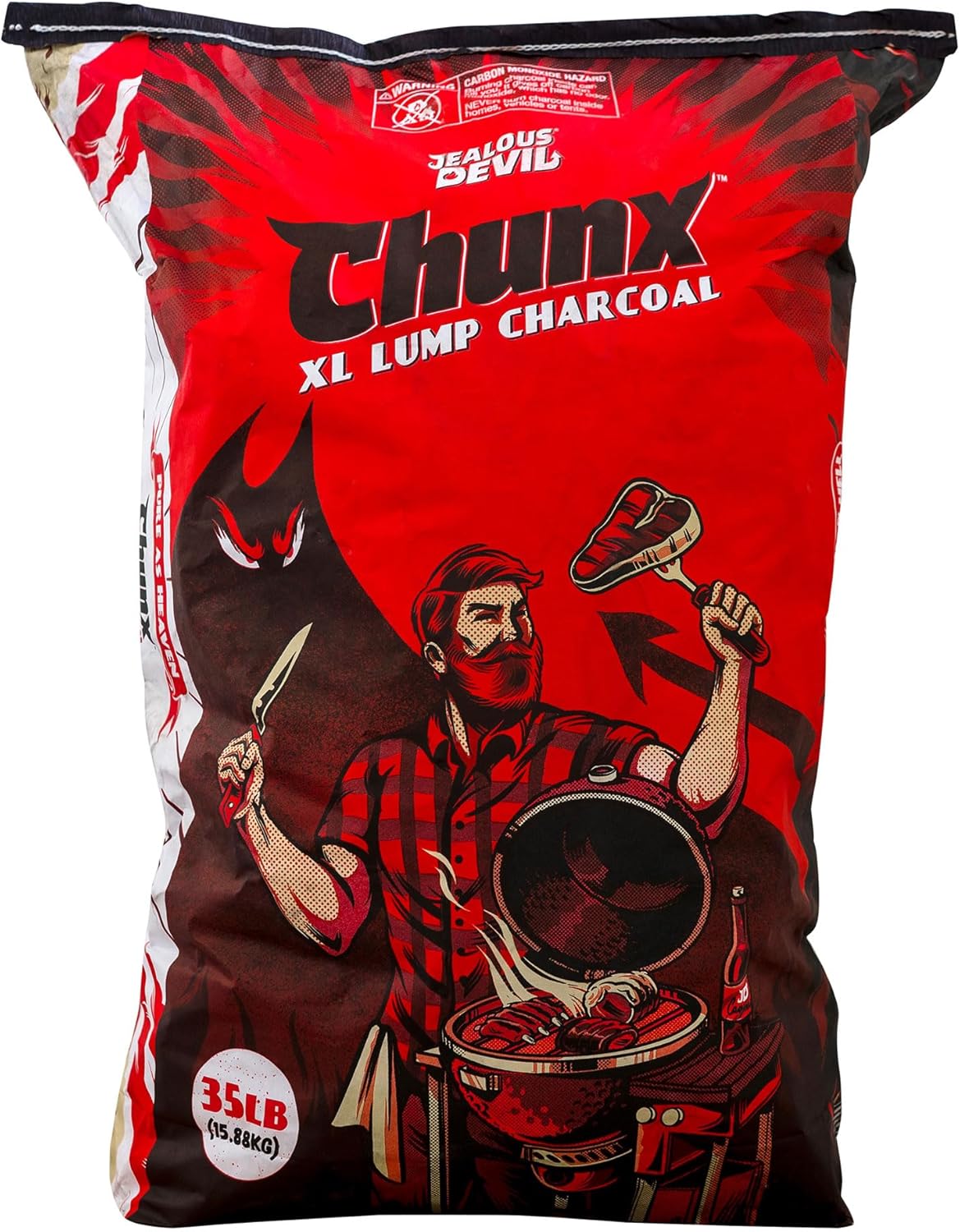
Jealous Devil All Natural Lump Charcoal
The gold standard for lump charcoal. Made from dense South American hardwoods, it burns hotter and longer than standard brands.
Check PriceHeat Output and Temperature Control
Lump Charcoal is the king of heat. It can reach temperatures exceeding 1000°F, making it perfect for searing steaks or firing up a pizza oven. However, because the pieces vary in size (some large chunks, some dust), the heat can fluctuate wildly.
Briquettes are engineered for control. Because every piece is the same size and density, they burn evenly. This makes maintaining a steady 225°F for smoking ribs much easier than with lump.
Burn Time and Efficiency
Generally, Briquettes burn longer. Their density allows them to smolder slowly over hours. This is why snake-method smoking almost exclusively uses briquettes.
Lump Charcoal burns faster. While high-quality hardwood lump (like Fogo or Jealous Devil) can last a long time, cheaper bags often contain small chips that burn up in 30 minutes. However, lump has a unique advantage: you can snuff it out by closing the vents and re-light the unburnt pieces later. Briquettes usually turn to ash once lit.
Ash Production and Cleanup
This is the biggest practical difference. Briquettes produce a LOT of ash. As the binders burn, they leave behind a thick layer of grey powder. On a long cook, this ash can actually clog the air vents of a kettle grill, suffocating the fire.
Lump Charcoal produces very little ash. Since it is pure wood, it burns down to almost nothing. This allows for better airflow throughout the cook and makes cleaning the grill the next day significantly easier.
Managing ash is vital for safety. See our guide on key maintenance requirements for barbecues.
Ingredients and Additives
Lump: 100% Wood. That’s it. It’s natural.
Briquettes: Can contain wood scraps, sawdust, coal dust, borax, limestone (to color the ash white), and cornstarch (binder). While generally safe once fully lit, purists dislike cooking over these additives. Always look for “All Natural Hardwood Briquettes” to avoid the chemical fillers.
Worried about health? Check our article: Is charcoal grilling bad for you?
Best Uses for Lump vs Briquettes
- Searing Steaks (High Heat)
- Quick Burgers & Hot Dogs
- Kamado Grills (Big Green Egg)
- Pizza Ovens
- Low & Slow Smoking (Brisket/Pork)
- Snake Method Cooking
- Dutch Oven Camping
- Consistent Temperature Control
Choosing the right wood helps too. Learn the difference between wood chips vs wood chunks for smoking flavor.

Kingsford Original Briquettes
The classic choice for backyard smoking. Reliable burn time, consistent heat, and widely available.
Buy NowCost and Value for Money
Briquettes are cheaper. A generic bag of Kingsford goes on sale every summer for pennies on the pound. They offer the most consistent bang for your buck.
Lump Charcoal is a premium product. It costs more per pound. However, because you can re-use unburnt lump (by shutting vents), the effective cost evens out slightly over time. Still, expect to pay a premium for good lump.
Lump Charcoal vs Briquettes: Pros and Cons
- Burns hotter (great for searing).
- Lights faster (10-15 mins).
- Pure wood flavor (no fillers).
- Produces very little ash.
- More expensive.
- Burn time is inconsistent.
- Bag often contains dust/small chips.
- Burns longer and more consistently.
- Cheaper and widely available.
- Easy to measure/stack for smoking.
- Maintains steady low temps.
- Produces lots of ash (clogs vents).
- Takes longer to light.
- Chemical smell during lighting.
The winner depends on your grill and your menu.
Choose Lump Charcoal If:
- You own a Kamado grill (ceramic holds heat well).
- You are cooking steaks, burgers, or pizza.
- You hate cleaning up ash.
- You want all-natural ingredients.
Choose Briquettes If:
- You are smoking a brisket or pork butt (Low & Slow).
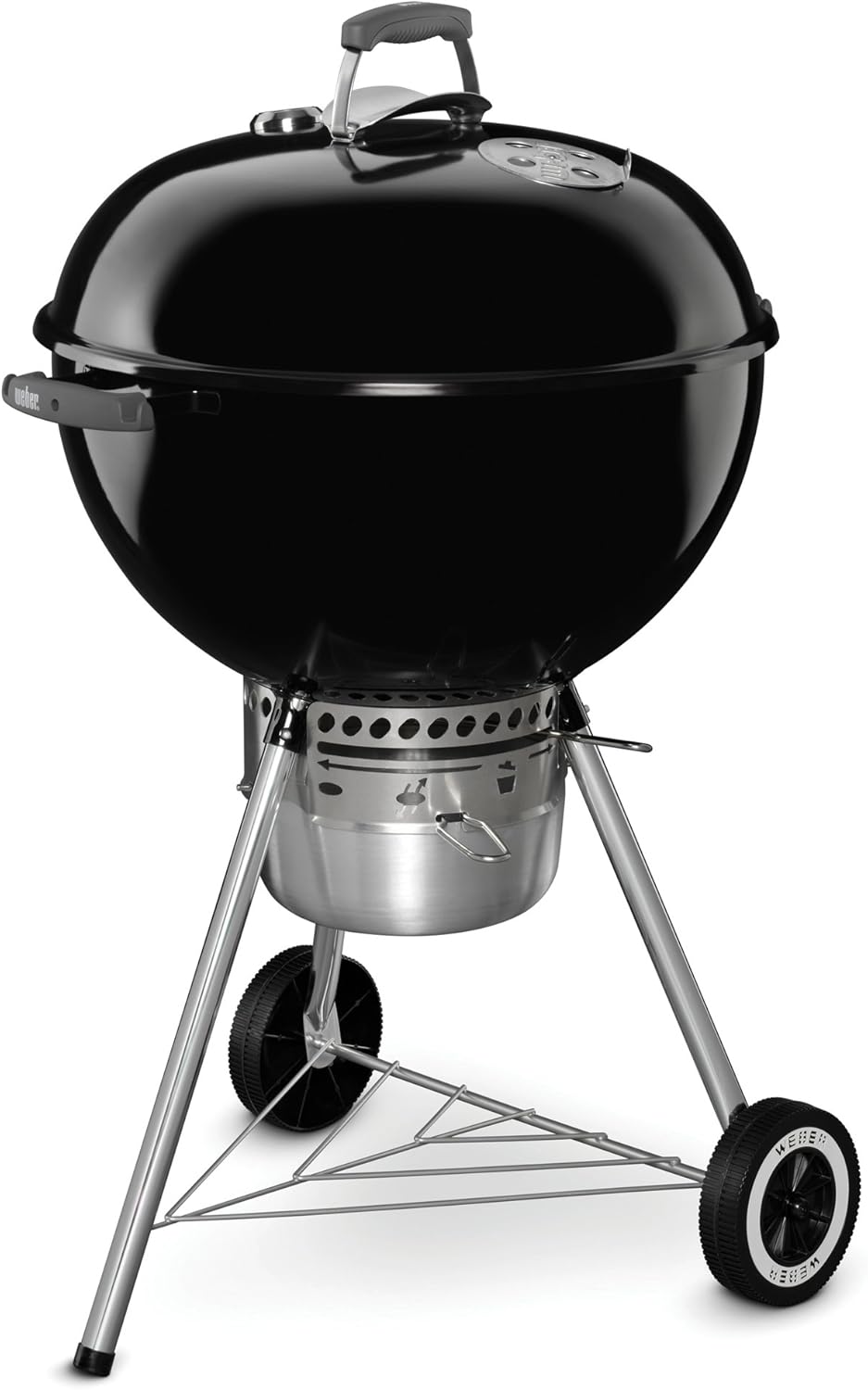
- You own a Weber Kettle and use the “Snake Method.”
- You want consistent, predictable temperatures.
- You are on a budget.
Frequently Asked Questions
Yes! This is a pro move. You can use a bed of briquettes for long-lasting heat and throw some lump on top for the wood flavor and high heat boost. Just be aware of the ash production.
Generally, yes. It is soaked in lighter fluid which leaves a distinct petroleum taste on the food. It is better to use a chimney starter with regular briquettes or lump.
This is called “sparking” or “popping.” It happens when moisture or trapped gases inside the raw wood expand and explode. Cheaper lump charcoal tends to spark more than premium brands.
Lump charcoal is universally recommended for Kamado grills (like Big Green Egg). Briquettes produce too much ash, which can clog the lower vent of a ceramic grill during a long cook, killing the fire.
If kept dry, no. However, briquettes absorb moisture from the air (they are hygroscopic). If they get damp, they will be hard to light and crumble. Store them in a waterproof container.