

Quick Overview: Masterbuilt Gravity Series and Traeger
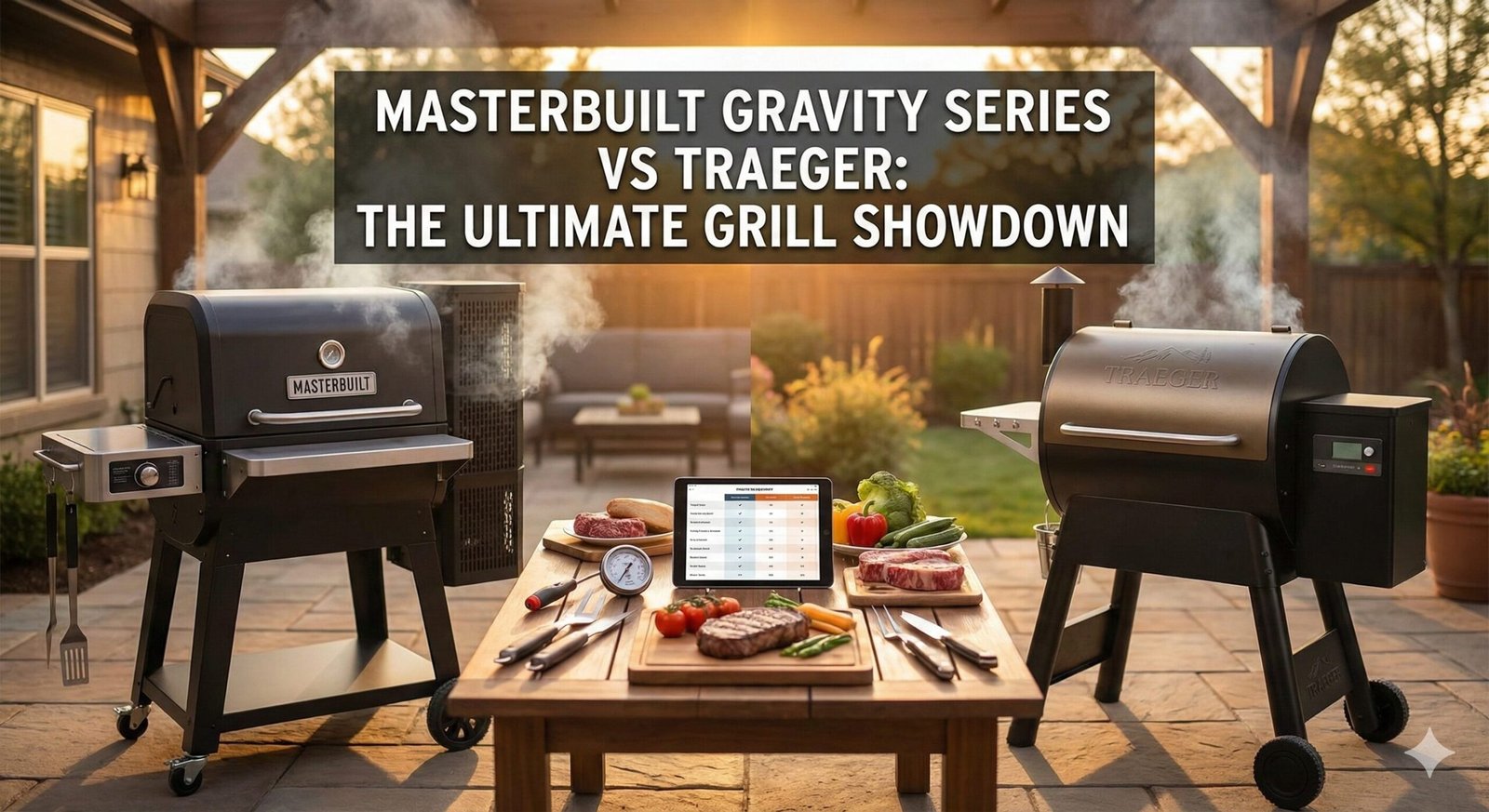
The battle for backyard supremacy has a new front line. On one side, we have Traeger, the pioneer of the wood pellet grill, offering effortless “set-it-and-forget-it” convenience with mild, consistent smoke. On the other side stands the Masterbuilt Gravity Series, a hybrid beast that combines the ease of a pellet hopper with the intense heat and flavor of real charcoal.
Traeger is for the chef who wants reliability, WiFIRE connectivity, and a clean, hassle-free smoking experience. It is the iPhone of smokers: polished, user-friendly, and slightly pricey.
Masterbuilt is for the flavor purist who wants the convenience of digital control but refuses to sacrifice the searing capability and deep smoke ring of charcoal. It is the versatile workhorse that can smoke a brisket low-and-slow or sear a steak at 700°F.
Key Differences at a Glance
| Feature | Masterbuilt Gravity Series | Traeger Pellet Grills |
|---|---|---|
| Fuel Source | Lump Charcoal / Briquettes | Wood Pellets |
| Max Temp | 700°F (Searing Capable) | 500°F (Generally) |
| Flavor Profile | Rich, Intense Charcoal Smoke | Mild, Clean Wood Smoke |
| Tech Reliability | Good (Improving App) | Excellent (WiFIRE App) |
| Maintenance | Higher (Ash cleanup) | Lower (Vacuum ash) |
Design and Build Quality
Traeger has built a reputation on fit and finish. Models like the Pro 575 or Ironwood feel sturdy, with heavy-gauge steel, durable powder coating, and well-sealed lids. The auger system is a mature technology that rarely jams if maintained properly.
Masterbuilt uses a unique vertical gravity-fed hopper. You dump charcoal in the top, and gravity feeds it down to a fire grate where a digital fan controls the airflow. While the innovation is brilliant, early Masterbuilt models faced criticism for thinner metal and switch failures. However, the newer XT series has significantly improved insulation and build quality to address these concerns.
Masterbuilt Gravity Series 800
The sweet spot. Includes a flat top griddle insert, reaches 700°F in 14 minutes, and holds 10lbs of lump charcoal.
Check PriceCooking Performance & Heat Control
This is where the two diverge significantly. Traeger excels at consistency. You set it to 225°F, and it stays there like an outdoor oven. It is perfect for long overnight cooks of brisket or pork shoulder where stability is king. However, most Traegers struggle to sear. They max out around 450°F-500°F, which is fine for chicken but lackluster for a crusty steak.
Masterbuilt is a Jekyll and Hyde machine. It can hold 225°F steady for smoking, but crank the dial to 700°F, and it hits that temp in under 15 minutes. This allows you to reverse-sear a steak on a single machine without needing a separate gas grill or cast iron pan. The fan-driven charcoal fire is aggressive and responsive.
Pellet Hopper vs. Charcoal Hopper Efficiency
Traeger’s pellet hopper is straightforward. You pour in wood pellets, and an auger feeds them to the fire pot. Pellets are convenient but can burn quickly in cold weather. Traeger offers a wide variety of wood flavors (Hickory, Apple, Mesquite), but the flavor difference is often subtle.
Masterbuilt’s gravity hopper holds about 16lbs of briquettes or 10lbs of lump charcoal. You can also mix wood chunks directly into the hopper or ash bin for added smoke layers. While charcoal is generally cheaper per bag than pellets, the Masterbuilt can be thirsty at high temperatures. However, for low-and-slow smoking, a full hopper can last 8-10 hours, comparable to a pellet grill.
Not sure which fuel fits your style? Read our detailed guide on pellet grills vs charcoal grills to see the cost breakdown.
Smoke Flavor and Cooking Results
If flavor is your #1 priority, Masterbuilt wins. Charcoal combined with real wood chunks produces a depth of flavor and a smoke ring that is difficult for any pellet grill to match. The combustion of charcoal creates nitrates that help form that coveted pink ring and “pit BBQ” taste.
Traeger produces a cleaner, lighter smoke flavor. Some purists find it too mild, almost oven-roasted. However, many families prefer this subtle profile as it doesn’t overpower delicate meats like poultry or fish. It creates food that is consistently delicious, even if it lacks the heavy punch of a stick burner.
Looking to boost that smoke profile? Check out the best smokers for ribs and brisket to see what the pros use.
Smart Tech & Connectivity Features
Traeger’s WiFIRE technology is the gold standard. The app is polished, intuitive, and feature-rich. You can change temps, set timers, and monitor probe temps from the grocery store with high reliability. It also features thousands of guided recipes that can program the grill for you.
Masterbuilt also has WiFi/Bluetooth connectivity and a mobile app. It has improved significantly in recent years with updates for session graphing and better stability. However, user reports historically cite more connectivity drops compared to Traeger’s rock-solid system. It gets the job done but lacks the polish of the Traeger ecosystem.
Traeger Pro Series 575
The best-selling pellet grill. Features WiFIRE technology, D2 drivetrain for faster starting, and 575 sq in of cooking space.
Check PriceCleaning and Maintenance
Traeger: Cleaning involves vacuuming out the fire pot every few cooks and scraping the drip tray. It’s relatively clean work because pellets turn into fine ash.
Masterbuilt: Charcoal produces more ash. The Gravity Series has an ash bin that needs emptying every cook. Grease management involves a tray that captures drippings. While not difficult, dealing with charcoal dust and spent briquettes is inherently messier than handling wood pellets.
Keeping your grill clean is vital for safety. Learn how to clean barbecue grates properly to avoid rust.
Price and Value Comparison
Masterbuilt generally offers more bang for your buck in terms of cooking surface area and versatility. The Gravity Series 800, which often includes a griddle insert, costs roughly the same as a smaller Traeger Pro 575. If you want one machine to replace a gas grill and a smoker, Masterbuilt is the value king.
Traeger commands a premium price for its brand, build quality, and software ecosystem. You are paying for the seamless experience and longevity. Resale value on Traegers also tends to be higher.
Masterbuilt vs Traeger: Pros and Cons
- Authentic charcoal smoke flavor.
- Reaches 700°F for true searing.
- Versatile: Smokes, Grills, and Griddles (800 model).
- Uses affordable charcoal fuel.
- Messier ash cleanup than pellets.
- Build quality on older models was mixed.
- Charcoal can bridge in hopper if not careful.
- Incredible ease of use (“Set & Forget”).
- Industry-leading WiFIRE app.
- Consistent temperature control.
- Clean burning with less mess.
- Cannot sear steaks effectively (max 500°F).
- Milder smoke flavor profile.
- Requires electricity (like Masterbuilt).
Both grills are excellent, but they serve different masters.
Choose Masterbuilt Gravity If:
- Flavor is your #1 priority (you want real charcoal taste).
- You want a single grill that can smoke brisket AND sear steaks.
- You enjoy the ritual of charcoal but want digital convenience.
Choose Traeger If:
- You prioritize convenience and ease of use above all else.
- You love tech features and want the best app experience.
- You want a set-it-and-forget-it machine for consistent results.
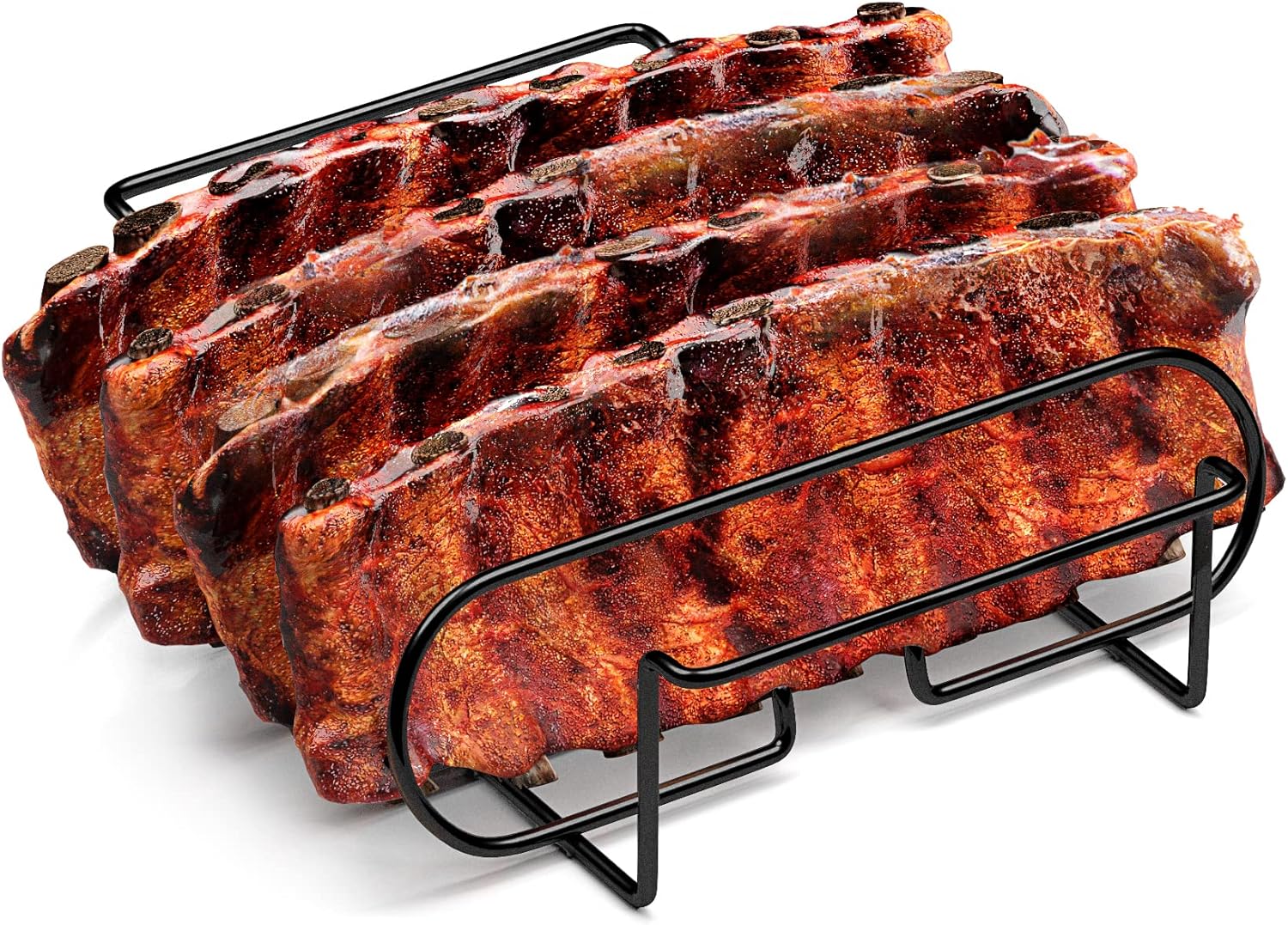
Made your choice? Don’t forget the accessories! Check out our list of must-have BBQ accessories to complete your setup.
Frequently Asked Questions
Yes. Because it uses 100% lump charcoal or briquettes as its fuel source, the flavor profile is identical to a traditional charcoal grill, which is significantly richer than pellet smoke.
For most people, yes, but with a caveat. It takes longer to heat up than a gas grill (15 mins vs 5 mins), and it won’t sear as hard. If you primarily grill burgers, dogs, and chicken, it’s a great replacement. For steak lovers, you might miss the sear.
Yes. Both the Masterbuilt Gravity Series and Traeger grills require a standard electrical outlet to power their digital controllers and fans/augers. They are not portable in the sense of a basic kettle grill.
It depends on local prices, but generally, pellets can be slightly more expensive per hour of cooking, especially in cold weather. Charcoal is widely available and cheap, but high-heat searing burns through it faster.