How to Keep Burgers From Falling Apart on the Grill: The Ultimate Guide
Introduction: The Tragedy of the Crumbling Patty
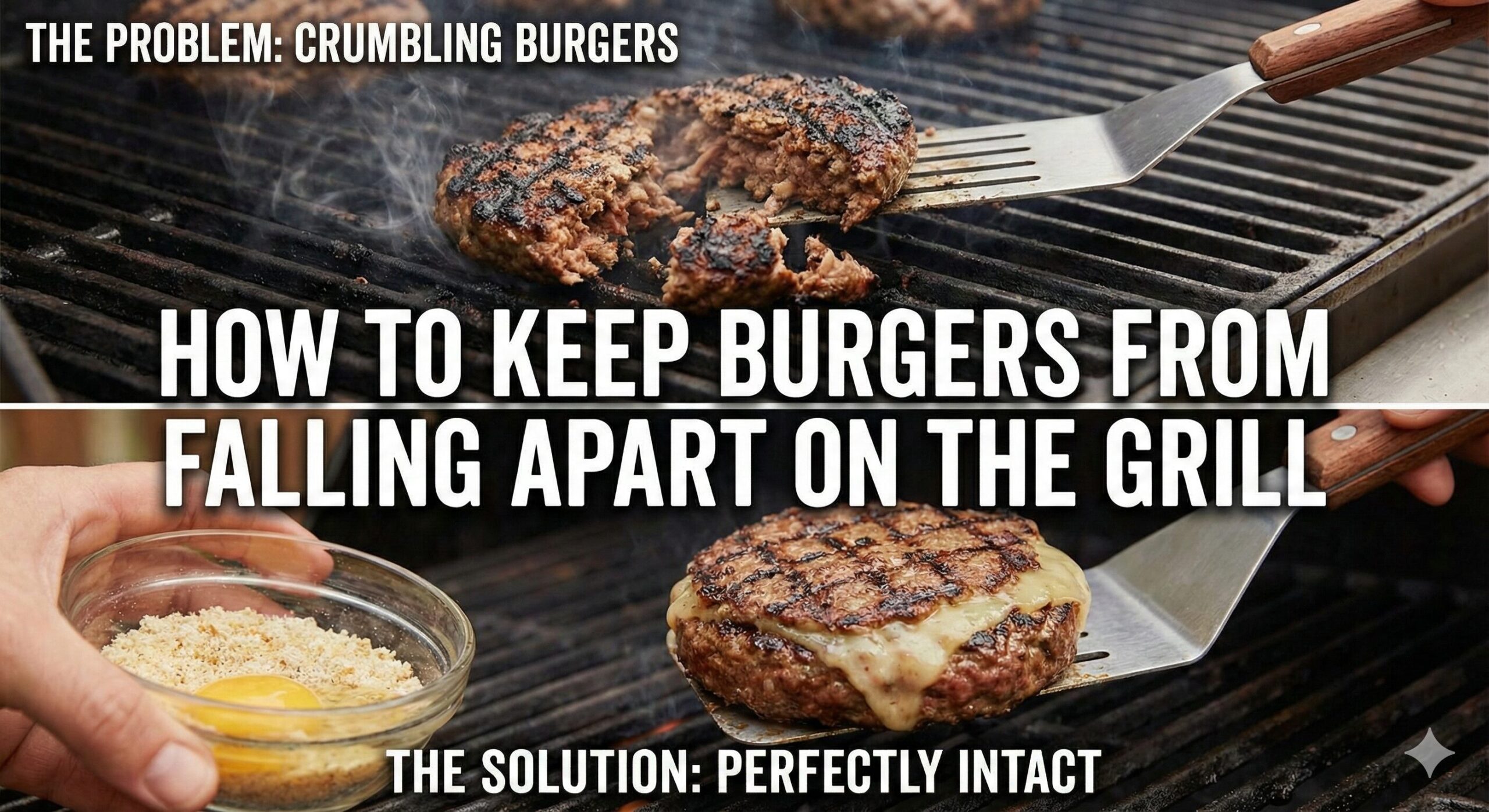
We have all been there. You invite friends over, fire up the best barbecue grill you could find, and expertly season your ground beef. The aroma is intoxicating. But the moment you slide your spatula under that first patty to flip it, disaster strikes. The meat crumbles, half of it falls through the grates into the fiery abyss below, and you are left scrambling to salvage a pile of ground beef hash instead of a burger.
Keeping a burger intact is one of the most fundamental skills in grilling, yet it remains a common stumbling block for many backyard chefs. Whether you are using a charcoal grill for that smoky flavor or the convenience of gas, the physics of meat binding remain the same. If your burgers are breaking apart, it isn’t bad luck—it’s usually a matter of chemistry, temperature, or technique.
In this guide, we will break down the science of why burgers fail and provide you with a foolproof roadmap to keeping them together. From selecting the right meat ratio to the mechanics of the flip, here is how to ensure your burgers make it from the grill to the bun in one delicious piece.
The Science of Binding: Why Do Burgers Fall Apart?
To fix the problem, we must understand the cause. A hamburger patty is essentially a collection of ground proteins and fats. Unlike a steak, which has connective tissue holding it together, ground meat relies on protein strands tangling and fat rendering to maintain structure. When a burger disintegrates, it is typically due to one of three culprits:
- Lack of Fat: Fat is sticky. When cold, it acts as a binder. When hot, it cooks and helps the crust form. Lean meat is dry and crumbly.
- Overworking the Meat: Handling the meat too much melts the fat with body heat and aligns the protein strands too smoothly, causing a dense texture that cracks easily.
- Moisture Imbalance: Too much liquid (salsa, onions, sauces) mixed directly into the meat can prevent the proteins from binding.
Understanding this balance is key to learning how to make burgers juicy while keeping them structurally sound.
Step 1: Selecting the Right Meat Ratio
The foundation of a structurally sound burger begins at the butcher counter. Many health-conscious grillers opt for extra-lean ground beef (90/10 or 95/5), but on the grill, lean meat is your enemy. Without sufficient fat, the burger will dry out rapidly and lose the adhesive quality necessary to hold its shape.
The Golden Ratio: 80/20
For the best results, always choose Ground Chuck with an 80/20 lean-to-fat ratio. The 20% fat content renders down during grilling, lubricating the protein strands and creating a delicious crust that holds the interior together.
If you are grinding your own meat—perhaps mixing brisket and sirloin—aim for this same ratio. If you prefer turkey or chicken burgers, you face a harder challenge because they are naturally lean. In these cases, you almost always need a binder (discussed later) or mixed-in fat (like olive oil) to mimic the properties of beef tallow.
Step 2: Temperature Control (Cold Hands, Cold Meat)
This is the secret weapon of professional pitmasters. Fat must remain solid until it hits the grill. If the fat melts while you are forming the patties, it coats the proteins in a slick oil that prevents them from binding to each other. Once that grease renders out on the grill, you are left with a loose, crumbly mess.
The Protocol:
- Keep your ground beef in the coldest part of the fridge until the very second you are ready to form patties.
- Rinse your hands under cold water before handling the meat.
- Once patties are formed, put them back in the fridge for at least 20 minutes before grilling. This “chill set” period allows the fat to firm up, acting as a natural glue.
This rule applies whether you are using a standard grill or experimenting with the best electric barbecue grill. Heat is the enemy of preparation, but the friend of cooking.
Step 3: Handling and Forming the Perfect Patty
How you physically shape the meat dictates its structural integrity. The goal is to handle the beef as little as possible.
The “Loose Pack” Technique
Grab a chunk of cold meat and gently shape it into a ball, then flatten it into a disc. Do not knead it like dough. Overworking the meat creates a dense, rubbery texture (like a sausage) which paradoxically tends to split and crack under heat. You want the patty to be somewhat loose so juices can flow, but packed just enough to hold its weight.
The Thumb Divot
As meat cooks, collagen fibers contract, causing the burger to shrink in diameter and puff up in the center (the dreaded “meatball effect”). A puffed burger has less surface area touching the grate, leading to uneven cooking and a tendency to roll or break when flipped. To prevent this, press a deep dimple into the center of the raw patty with your thumb or a spoon. This allows the meat to expand inward, resulting in a flat, even burger.
Consistency is Key: Use a Burger Press

A burger press ensures every patty is packed with uniform density and thickness, which is crucial for even cooking and structural integrity.
Check Price on AmazonStep 4: To Bind or Not to Bind?
Purists will argue that a burger should contain nothing but meat. However, if you are struggling with breakage, or if you are adding heavy ingredients like onions, peppers, or cheese inside the patty, a binding agent is incredibly helpful.
Common Binders
- Egg: The classic binder. One egg per pound of meat adds protein that coagulates during cooking, holding everything together.
- Breadcrumbs: Often used with egg, these absorb moisture and fat, keeping them inside the burger rather than dripping out.
- Oats: A gluten-free alternative to breadcrumbs that adds texture.
Note: Once you add eggs and breadcrumbs, you are technically moving toward “meatloaf” territory. However, for lean meats like turkey or venison, binders are non-negotiable if you want the burger to survive the grill.
Step 5: Grill Preparation and Cooking Technique
Your meat is prepped, cold, and ready. Now you face the fire. The condition of your grill grates plays a massive role in whether your burger sticks (and subsequently tears) or releases cleanly.
Clean and Oil the Grates
A dirty grate is a sticky grate. Before you cook, heat your grill to high and scrub it down. If you need a recommendation, check our guide on the best barbecue grill cleaner. Once clean, dip a paper towel in vegetable oil and use tongs to wipe the grates. This creates a non-stick barrier.
Tip: If you bought a brand new unit, make sure you have read how to season a new BBQ grill before your first cookout.
The Sear and The Flip
Place the patties on the grill over direct heat (learn about indirect vs direct grilling here). Now, do not touch them.
You need the Maillard reaction to occur. This is the browning of the meat proteins, forming a crust. This crust is the structural shell of the burger. If you try to flip before the crust forms (usually 3-4 minutes), the meat will stick to the grate and tear apart.
The Golden Rule: Flip Only Once. Constant flipping weakens the structure. Wait until the patty releases easily from the grate on its own.
Never Press Down!
We see it in movies all the time—the cook smashing the burger with a spatula. Never do this. Pressing down squeezes out the juices and liquefied fat that hold the burger together. You are literally pushing the flavor and the “glue” into the fire.
Essential Tools for Burger Integrity
Using the wrong tools is a recipe for disaster. A narrow, flimsy spatula cannot support the weight of a half-pound burger, causing the edges to droop and break.
You need a wide, offset spatula with a thin leading edge. This allows you to slide under the patty quickly and support the entire surface area during the flip. If you are serious about grilling, upgrading your gear is a must. See our review of the best BBQ tool sets.
Additionally, consider grill mats for delicate burgers (like veggie or fish burgers). These sit on top of the grates and provide a solid surface that still allows smoke flavor to penetrate.
The Professional’s Spatula

Don’t let your burger break in mid-air. Get a heavy-duty, extra-wide spatula designed for heavy patties.
Check Price on AmazonTroubleshooting: Common Scenarios
Different situations call for different tactics. Here is a quick comparison of how to handle various burger types.
| Burger Type | Challenge | The Solution |
|---|---|---|
| Beef (80/20) | Puffing up / sticking | Use thumb divot; clean/oil grates; flip once. |
| Turkey / Chicken | Too lean / dry / crumbles | Add a binder (egg/breadcrumb) or mix in olive oil; chill thoroughly. |
| Veggie / Bean | Lack of protein structure | Requires binder (oats/flour); cook on a grill mat or foil; flip gently. |
| Stuffed (Juicy Lucy) | Seams bursting | Seal edges tightly; prick a small hole for steam release; don’t overstuff. |
| Frozen Patties | Uneven thaw / sticking | Read can you grill frozen meat; oil the patty directly before grilling. |
Salt Timing: A Critical Factor
When you salt your meat matters. Salt dissolves muscle proteins. If you mix salt into the ground beef hours before cooking, it draws out moisture and breaks down the texture, turning your burger into a bouncy, sausage-like puck that feels rubbery.
However, if you don’t salt enough, it’s bland. The solution? Only salt the exterior of the patties right before they hit the grill. This creates a savory crust without compromising the internal texture. For flavor variations, consider using a specialized barbecue rub on the outside.
Expert Tips for Flavor and Structure
Once you have mastered the structural integrity, you can focus on flavor. If you are looking to elevate your burger game, consider the heat source. While gas is convenient, many argue about the gas grill vs charcoal grill taste difference. Charcoal tends to dry meat out slightly faster due to higher radiant heat, so keep a closer eye on your timing.
Furthermore, maintenance is key. If your grill has “hot spots” or uneven heating elements (common in older units), one half of your burger might sear while the other remains raw and weak. Check our guide on why your grill might not be heating up properly.
FAQs
1. Why do my homemade burgers fall apart but frozen ones don’t?
Frozen store-bought burgers are mechanically pressed under high pressure and often contain stabilizers or texturized vegetable protein to hold them together. Homemade burgers rely solely on your hand-forming technique and the natural fat content.
2. Should I add onions to the burger mix?
If you add raw onions, dice them very finely. Large chunks of onion prevent the meat from bonding with itself, creating fault lines where the burger will break. Alternatively, grill the onions separately and use them as a topping.
3. Can I use 90/10 beef if I’m on a diet?
You can, but it will be difficult to keep it together. If you must use lean beef, add an egg and some breadcrumbs to bind it, and be very careful not to overcook it, or it will be dry as a puck.
4. How do I fix a burger that is starting to fall apart on the grill?
Stop touching it! If you see a crack forming, do not try to squeeze it back together with tongs. Let it cook undisturbed so a crust forms on the bottom. When you flip, be extremely gentle and consider adding a slice of cheese immediately to act as a structural “glue” for the top cracks.
5. Does the type of grill matter?
Yes. Charcoal grills can get hotter, creating a faster crust (good for binding). Electric grills provide even heat but might lack the intense sear needed for immediate crust formation. Adjust your timing accordingly.
6. Why are my burgers bulging in the middle?
This is the “meatball effect.” As proteins contract, the edges pull in. Prevent this by pressing a deep indentation (divot) in the center of the raw patty before grilling.
7. Should I oil the burger or the grate?
Ideally, both. A light brushing of oil on the patty ensures immediate searing, and oiling the clean grate prevents sticking.
8. Is it better to freeze homemade patties before grilling?
Briefly chilling them (20-30 minutes) in the fridge is ideal. Freezing them solid isn’t necessary unless you are meal prepping, but a semi-frozen patty is certainly easier to flip than a warm one.
Conclusion
Keeping a burger from falling apart on the grill isn’t magic; it is a mastery of the fundamentals. By choosing the right 80/20 meat blend, keeping your ingredients cold, handling the meat gently, and resisting the urge to flip constantly, you can produce steakhouse-quality burgers in your own backyard.
Remember, the grill is unforgiving of poor preparation. Take the time to clean your grates, use the proper wide spatula, and let the heat do the work. Your friends and family—and your taste buds—will thank you.
Now that you have the technique down, make sure you have the right equipment to execute it perfectly. Whether it’s a new set of tools or upgrading your smoker, the right gear makes all the difference.
Upgrade Your Grilling Game

Ensure your success with a professional-grade BBQ tool set designed for precision flipping and handling.
Check Price on Amazon