How to Prevent Flare-Ups on a Gas Grill: The Complete Safety Guide
Introduction: Taming the Beast
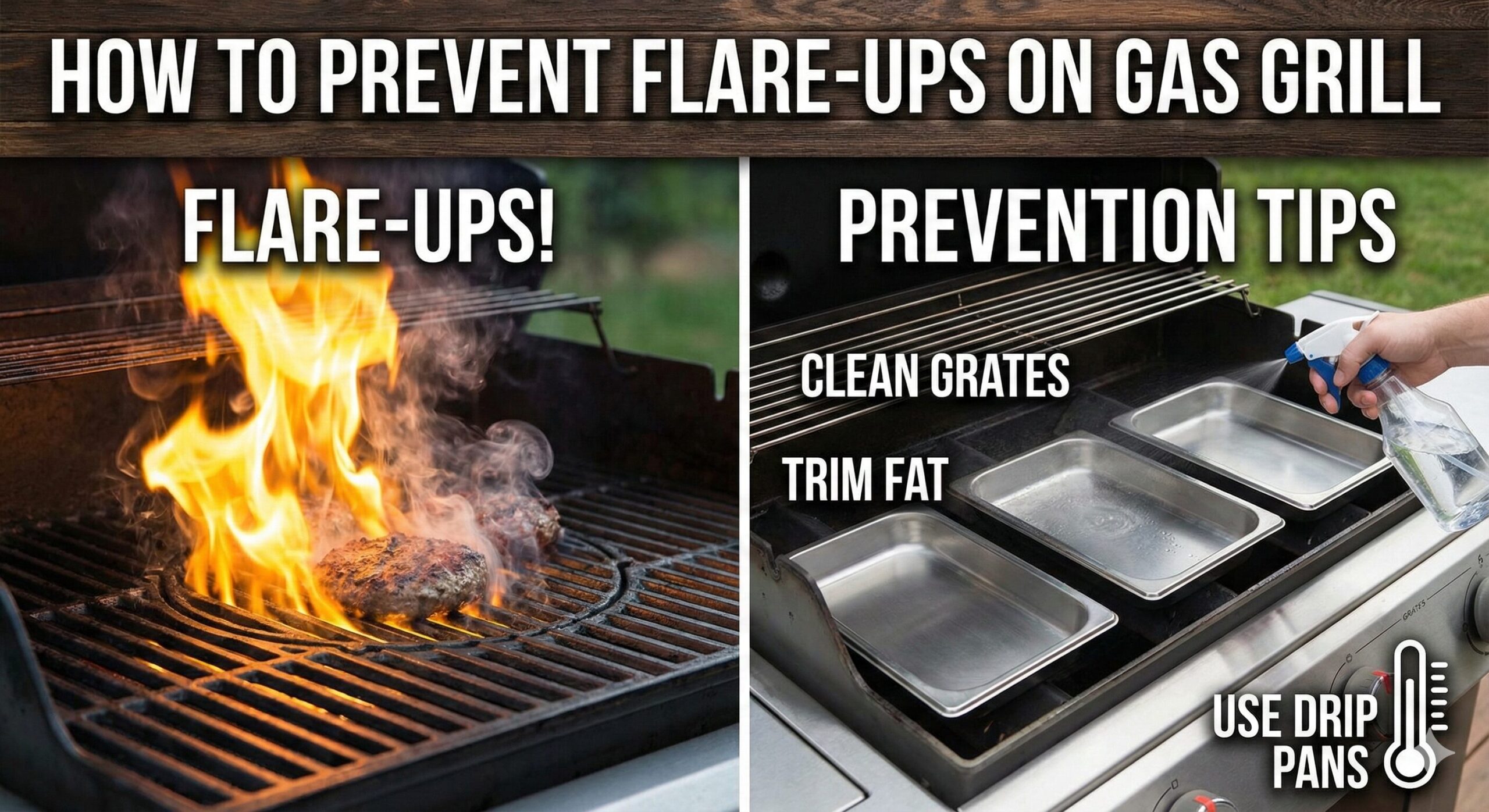
There is a romantic notion that fire and meat are best friends. While a controlled sear is desirable, a sudden, violent burst of orange flame engulfing your expensive ribeye is not. These are flare-ups—the bane of every pitmaster’s existence. They char your food with a bitter, acrid taste of soot, cook your meat unevenly, and in worst-case scenarios, can escalate into a dangerous grease fire.
Whether you own the best barbecue grill money can buy or a modest starter unit, flare-ups are an inevitability if you don’t understand the physics behind them. They occur when rendered fat or marinade drips onto the hot heat shields (flavorizer bars), lava rocks, or burners below. The liquid vaporizes and ignites, sending a plume of fire upward.
However, you do not have to be a victim of your own cooking. By mastering grill maintenance, food preparation, and zone management, you can virtually eliminate unwanted flames. This guide will teach you exactly how to prevent flare-ups on a gas grill, ensuring your next cookout is defined by flavor, not firefighting.
The Science: Flare-Up vs. Grease Fire
Before we dive into prevention, it is critical to distinguish between a flare-up and a grease fire. They are related but distinct.
- Flare-Ups: These are temporary bursts of high flame caused by dripping fat. They usually subside once the fat burns off. They are annoying but generally manageable.
- Grease Fires: This is when the accumulated grease in the bottom of your firebox or drip tray catches fire. This is a sustained, dangerous fire that continues to burn even after the burners are turned off.
Understanding safety features to look for in a barbecue can help, but maintenance is your first line of defense against both.
Step 1: Deep Clean Your Defense Systems
The number one cause of persistent flare-ups is a dirty grill. If your heat tents (also known as flavorizer bars or flame tamers) are caked with layers of old carbonized grease, they act like a wick. Fresh dripping fat hits this “fuel,” and the fire climbs rapidly.
The Pre-Cook Inspection
Before every session, do a quick check. If you see heavy buildup on the heat shields, scrape it off. If you are learning key maintenance requirements for barbecues, put “scraping the bars” at the top of the list.
The Deep Clean
Once a month (or more frequently if you grill fatty foods often), you need to pull the grates and vacuum out the firebox. Old food debris and grease sitting in the bottom of the grill body are a ticking time bomb. Use a specialized scraper and a non-toxic degreaser to get back to bare metal.
Essential Gear: Heavy Duty Grill Cleaner

Don’t let old grease ruin your new steak. Keep your firebox and heat tents clean with professional-grade cleaners.
See Best CleanersCheck Price on Amazon
Step 2: Managing Fat at the Source
You cannot have a grease flare-up without grease. While we love the flavor of fat, excessive amounts are problematic. Managing the fat content of your food is the most proactive way to stop flames before they start.
Trim Your Meats
If you are grilling a steak with a thick outer rim of fat (like a New York Strip), trim it down to about 1/4 inch. That excess fat will eventually render into liquid oil, and if 100% of it drips onto a 500°F burner cover, you will have a bonfire. The same applies when learning how to keep meat moist; rely on intramuscular fat (marbling) rather than exterior fat caps.
The “Oil the Food, Not the Grate” Rule
Many novices slather oil onto the grill grates. While this helps with sticking, excess oil drips down immediately. Instead, brush a light coat of high-smoke-point oil directly onto your chicken, burgers, or veggies. This uses significantly less oil and keeps the fuel source minimal. This technique is also vital for keeping chicken from sticking.
Pro Tip: Avoid Sugary Marinades Early
Sauces with high sugar content (like BBQ sauce or teriyaki) drip and burn instantly, mimicking a flare-up. Apply these sauces only in the last 5 minutes of cooking. Check out our guide to the best barbecue sauce for finishing options.
Step 3: The Two-Zone Cooking Method
This is the holy grail of grill management. If you cover your entire cooking surface with burgers over high heat, you have nowhere to escape when a flare-up occurs. You need a “Safety Zone.”
Setting Up Two Zones
Turn the burners on one side of your grill to High/Medium, and leave the burners on the other side Off or Low. This creates a direct heat zone and an indirect heat zone.
Cook your fatty foods over the direct heat to get a sear. The moment you see a flare-up that lasts more than two seconds, move the food immediately to the cool side (indirect zone). The lack of direct flame below stops the fat from igniting further, while the ambient heat continues to cook the food. Once the flames die down, move it back.
This method is essential to master. Read more about indirect vs direct grilling here.
Step 4: Lid Management
Fire needs three things: fuel, heat, and oxygen. You have provided the fuel (grease) and the heat. The only variable left to control is oxygen.
The Lid is Your Damper
When a flare-up starts, your instinct might be to stare at it or blow on it. Instead, close the lid immediately. By cutting off the free flow of fresh oxygen, you suffocate the flame. Most gas grills are designed to circulate air, but closing the lid reduces the rush of oxygen enough to calm a flare-up.
Conversely, if you leave the lid open during a windy day, the wind forces oxygen into the firebox, acting like a bellows in a forge. Positioning your grill away from high winds is a subtle but effective prevention tactic.
Step 5: Utilize Grill Mats
For extremely fatty foods (like cheap burgers or bacon) or delicate items, a grill mat is a game-changer. These are non-stick sheets that sit on top of your grates. They allow heat to transfer and cook the food, but they are solid enough to catch the grease, preventing it from dripping onto the flames below.
While purists argue this reduces the “smoky” flavor caused by vaporizing juices, it is safer for certain foods. Just ensure you buy mats rated for high temperatures.
Stop the Drips: Copper Grill Mats
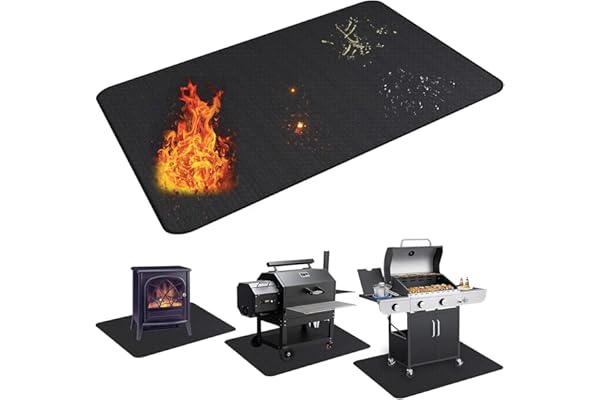
Keep your grill clean and prevent 100% of flare-ups by cooking on a PFOA-free grill mat.
See Best Grill MatsCheck Price on Amazon
What To Do When It Goes Wrong (Emergency Protocol)
Even with the best preparation, flare-ups happen. Knowing how to react prevents a ruined dinner or a call to the fire department.
- Move the Food: Use long-handled tongs to move the meat to the indirect zone or the warming rack. Do not try to flip it while it is engulfed in flames; just move it.
- Close the Lid: Starve the fire.
- Turn Off Burners: If the fire is aggressive, cut the gas to the burners under the flare-up.
- Never Use Water: Spraying water on a grease fire causes the grease to splash and spread the fire instantly. It can also crack your ceramic or cast iron components due to thermal shock.
- The “Salt” Method: If a grease fire persists in the drip pan, dumping baking soda or kosher salt on it can help smother it. Never use flour (it is explosive).
Having the right tools is crucial for safety. Ensure you have long tongs that keep your hands away from the fire. See our review of the best BBQ tool sets.
Gas Grill Design: Does It Matter?
Yes. The design of the grill influences flare-up frequency. Premium grills often have steeper, more extensive heat tent coverage that channels grease away into a collection system more efficiently than budget models.
For example, when comparing Weber vs. Napoleon grills, look at their flavorizer bar angles. Steeper bars shed grease faster. Infrared grills are also excellent at preventing flare-ups because the heating element is often covered by a glass or ceramic emitter plate that vaporizes drippings instantly before they can ignite into a large flame.
If you are tired of battling your current unit, you might consider switching fuel types. Electric barbecue grills and pellet smokers generally have far fewer flare-up issues due to their indirect heating designs.
Troubleshooting Table
| Symptom | Likely Cause | Immediate Fix |
|---|---|---|
| Persistent small flames | Grease buildup on heat tents | Scrape bars; burn off residue after cooking. |
| Sudden large fireball | Fatty meat (ribeye/burgers) | Move to indirect zone; close lid. |
| Fire under the cookbox | Full grease tray | Turn off gas immediately; clean tray when cool. |
| Uneven searing/burning | Clogged burners | Clean burner ports with a wire brush. |
FAQs
1. Is a squirt bottle of water a good idea?
Many old-school grillers use a squirt bottle to tame flames. While it can work for tiny flare-ups, we generally advise against it. Water mixes with grease and can spread it, and the steam can burn your hand. Moving the food is safer and more effective.
2. Why does my grill flare up even on low heat?
This indicates a dirty grill. Even on low, the ambient heat is enough to ignite old grease built up on the interior walls or heat shields. It’s time for a deep clean.
3. Are lava rocks or heat shields better for preventing flare-ups?
Heat shields (metal tents) are generally better. Lava rocks are porous and absorb grease over time, eventually becoming a fire hazard themselves. If you have lava rocks, they need to be replaced or flipped regularly.
4. Can I eat meat that was caught in a flare-up?
If it is just a bit of char, yes. However, if the meat is covered in thick, black, oily soot, it will taste like lighter fluid or bitter carbon. It’s best to trim the burnt parts off.
5. Do grill mats block the flavor?
They block direct flame access, which reduces the vaporization of juices that creates the “BBQ flavor.” However, for very fatty foods that would otherwise cause a fire, the trade-off is often worth it.
6. How do I stop burgers from flaring up?
Burgers release a lot of liquid fat. Use the 80/20 rule but don’t go fattier. Also, ensure your patties are cold when they hit the grill. Read more on keeping burgers intact and safe here.
7. What is the best oil to use to prevent sticking and flare-ups?
Oils with high smoke points like Avocado, Grapeseed, or Canola are best. Olive oil burns at lower temps and contributes to smoke.
8. Why is smoke coming from the back of my grill?
This is usually the exhaust vent. However, if it is thick black smoke, you likely have a grease fire beginning in the drip tray. Check it immediately.
Conclusion: Cook with Confidence
Preventing flare-ups on a gas grill is not about suppressing fire completely; it is about managing it. By keeping a clean machine, respecting the fat content of your food, and utilizing the two-zone cooking method, you can grill the most delicate chicken or the fattiest ribeye without fear.
Remember, a calm grill master is a safe grill master. Equip yourself with the right knowledge and the right tools, and your backyard will be known for delicious aromas, not smoke signals.
If you are looking to upgrade your setup to a grill that manages grease better, or need the perfect gift for the griller in your life, check out our curated lists below.
Upgrade Your Grilling Arsenal

Ready to stop fighting your old grill? Check out the top-rated gas grills with superior flare-up prevention systems.
See Gift IdeasCheck Price on Amazon