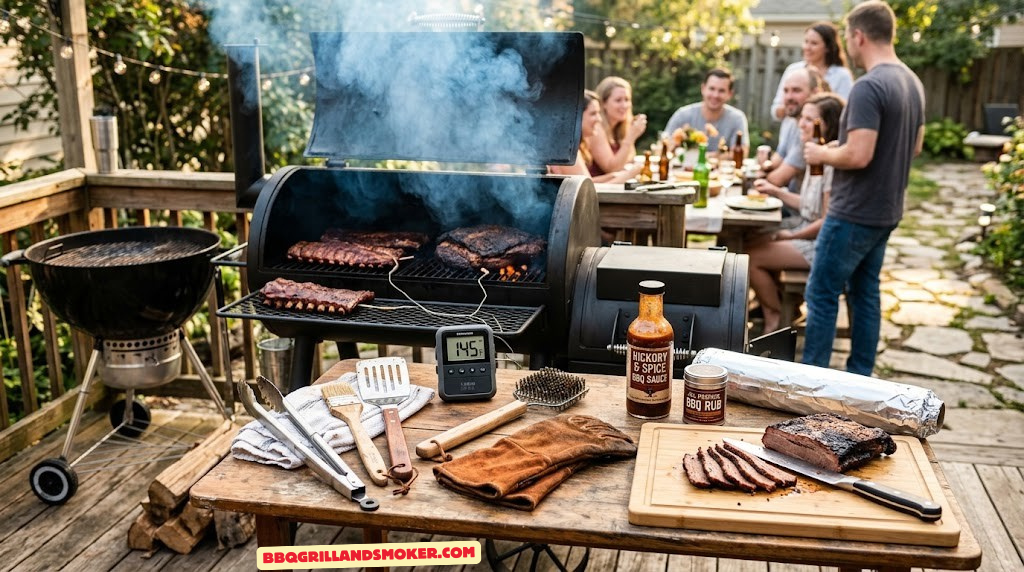
The right accessories don’t just look good on a rack — they change how predictable your cook turns out.
Walk down the grilling aisle of any hardware store and you’ll find a wall of gadgets promising to transform your backyard cookouts. Most of them won’t. A small number of them genuinely will. The difference between a frustrating cookout and a smooth one usually comes down to four or five accessories, not forty.
Why BBQ Accessories Actually Matter
It’s tempting to think the grill or smoker itself does all the work, and the accessories are just extras. In practice, the opposite is often true. A flawless brisket cook can be undone by a bad thermometer that reads ten degrees off. A perfectly seasoned cast iron grate can be ruined in one bad scrub with the wrong brush. The accessories are where precision and safety live, even though the grill gets all the attention.
This guide breaks down the categories that matter, what separates a good version of each tool from a mediocre one, and which categories are mostly hype. If you’re still deciding on the grill or smoker itself, our best barbecue grills and best barbecue smokers guides are good starting points before you build out your accessory collection.
One thing worth saying upfront: accessory needs differ depending on what you’re cooking and how. Someone who exclusively grills burgers and hot dogs on weekends has a very different shopping list than someone running 14-hour brisket smokes. Keep your own cooking style in mind as you read through each category, because the “best” version of a tool is really the one that matches how you actually cook.

Start with the basics. A solid all-in-one tool set covers tongs, spatula, and fork in one purchase — a practical starting point before you specialize.
Check Price on AmazonThermometers: The One Tool You Shouldn’t Skip
If there’s a single accessory that separates consistent cooks from guesswork, it’s the thermometer. Built-in lid gauges on grills and smokers measure dome temperature, not grate-level heat, and they tell you absolutely nothing about what’s happening inside your meat. A dedicated thermometer fixes both problems.
Instant-Read Thermometers
These are the quick-check tool — you insert the probe, get a reading in two to four seconds, and pull it out. They’re ideal for burgers, chicken breasts, pork chops, and anything you’re cooking relatively quickly. Look for models with a thin probe tip (less juice loss from the puncture), a foldaway design for storage, and a wide temperature range that covers both low smoking temps and high searing temps.
Leave-In Wireless Probe Thermometers
For longer cooks — ribs, brisket, pulled pork, whole turkeys — a leave-in probe that transmits to your phone or a base station is worth the investment. You can monitor internal temperature without lifting the lid, which matters because every lid-lift lets heat escape and extends your cook time. If you’re getting serious about long, low-and-slow cooks, pairing the right thermometer with the right equipment matters; see our guide on smoker selection for low and slow ribs and brisket for more on how the two connect.
Why It’s Worth Buying
- Removes all guesswork on doneness
- Prevents overcooking and dry meat
- Critical for food safety on poultry and pork
- Wireless models save lid-opening heat loss
Things to Watch For
- Cheap models drift out of calibration fast
- Wireless range can be limited indoors
- Battery life varies a lot between brands

Get an accurate read every time. A reliable instant-read thermometer is the cheapest insurance policy against a ruined cook.
Check Price on AmazonTongs, Turners, and Spatulas
These are the tools you’ll touch the most during any single cookout, which is exactly why their quality matters more than people expect. A flimsy pair of tongs that bends under the weight of a thick steak, or a spatula too short to safely flip a burger over open flame, turns a relaxed cookout into a stressful one.
What Separates Good Tongs from Bad Ones
Length matters first — anything under 16 inches puts your hand uncomfortably close to direct heat. Look for a scalloped or textured gripping head rather than flat plates, which slip on rounded items like sausages and corn. A locking mechanism at the handle keeps the set compact in a drawer, and stainless steel construction holds up to dishwashers better than chrome-plated alternatives that can flake over time.
Spatulas and Turners
A wide, beveled-edge spatula makes a real difference when flipping delicate items like fish fillets or thin burger patties that tend to fall apart. If you’ve ever lost half a patty trying to flip it with the wrong tool, our guide on how to keep burgers from falling apart on the grill covers both technique and the tool choices that help.
| Tool | Best For | Key Feature to Look For |
|---|---|---|
| Locking Tongs (16-18″) | General flipping, moving coals | Scalloped head, secure lock |
| Wide Beveled Spatula | Burgers, fish, delicate items | Thin, sharp leading edge |
| Offset Spatula | Griddle cooking | Angled handle for clearance |
| Meat Fork | Lifting roasts, turning large cuts | Long tines, sturdy handle |
For a broader rundown of which combinations of tools tend to show up in well-rated kits, our comparison of BBQ tool sets by material and function is a useful next read.
Grill Brushes and Cleaning Tools
Cleaning gets skipped more than any other part of grilling, and it shows. A dirty grate doesn’t just look bad — leftover residue affects flavor, increases flare-up risk, and contributes to long-term mold and grease buildup. The right brush depends heavily on your grate material.
Wire Brushes vs. Bristle-Free Options
Stainless steel wire brushes are effective on cast iron and standard stainless grates but have earned a bad reputation because loose bristles can occasionally break off and end up in food. Bristle-free designs — using coiled stainless steel, scraper blades, or grill stones — avoid that risk entirely and are a safer pick for porcelain-coated or non-stick grates. If you’re dealing with a grate that’s seen heavy buildup or rust, our guide on cleaning barbecue grates and restoring your grill walks through the full process.
Wire Brush Pros
- Aggressive on stubborn carbon buildup
- Inexpensive and widely available
- Works fast on cast iron
Wire Brush Cons
- Bristles can break off over time
- Not ideal for coated or non-stick grates
- Needs frequent replacement
Beyond the brush itself, dedicated grill cleaners and degreasers make a noticeable difference on caked-on grease, especially around the firebox and drip trays. Our roundup of best barbecue grill cleaners covers which formulas work without damaging finishes, and if you’re noticing dark spots or a musty smell, it’s worth checking our piece on assessing grill mold causes and cleaning techniques before it spreads further.

Keep your grates flavor-ready. A good scraper-style brush handles buildup without leaving stray bristles behind.
Check Price on AmazonHeat-Resistant Gloves and Mitts
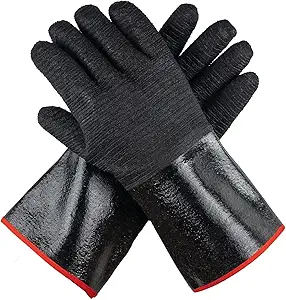
Anyone who has grabbed a hot grate or grill lid bare-handed understands why this category isn’t optional. The right gloves let you move racks, adjust coals, and handle hot cookware confidently instead of hesitating mid-cook.
Material Matters More Than Looks
Aramid fiber gloves (the same family of material used in fire-resistant gear) tend to offer the highest heat ratings and are a strong choice for smoker work where you’re regularly handling hot grates and racks. Silicone-lined cotton gloves offer a good middle ground — solid heat resistance with a more flexible, grippy feel, which is useful for handling slippery items like a whole chicken or a foil-wrapped brisket.
Whatever you choose, check the manufacturer’s stated heat rating rather than assuming thickness equals protection. Pair good gloves with general safe habits — our overview of safety features to look for in a barbecue covers other precautions worth taking around any live-fire cooking setup.

Handle hot grates with confidence. Aramid fiber gloves give you real heat protection without sacrificing grip.
Check Price on AmazonSmoker Boxes and Wood Chip Accessories
If you own a gas grill but want smoky flavor without buying a dedicated smoker, a smoker box is the simplest way there. It contains wood chips so they smolder rather than burn into open flame, producing a steadier, more controlled smoke output.
Choosing the Right Smoker Box
Material and size both matter. Heavier-gauge stainless steel boxes last longer and resist warping at high heat, while thinner versions can degrade after a season or two of regular use. Larger boxes hold more chips and need refilling less often during long cooks. Our detailed breakdown in comparing smoke boxes by material, size, and performance goes deeper into which specs actually matter.
Wood Chips vs. Wood Chunks
Chips burn faster and are better suited to shorter cooks or smoker boxes, while chunks smolder longer and work well directly in charcoal smokers for extended sessions. If you’re unsure which fits your setup, wood chips vs. wood chunks for smoking lays out the tradeoffs clearly. Wood species matters just as much as form — strong woods like hickory and mesquite behave very differently, as covered in hickory vs. mesquite for smoking.
| Accessory | Best Use Case | Notes |
|---|---|---|
| Stainless Smoker Box | Gas grills wanting smoke flavor | Refillable, reusable for years |
| Wood Chip Tube | Cold smoking, longer smolder | Works well on pellet and gas grills |
| Cast Iron Smoker Box | High-heat durability | Heavier, retains heat longer |
If you’ve ever wondered whether the visible smoke ring on a finished brisket means anything about flavor, our piece on assessing smoke ring formation and meat color changes explains the chemistry behind it.
Grill Mats and Grate Liners
Grill mats solve a specific problem: small or delicate foods falling through grate gaps. Shrimp, sliced vegetables, and thin fish fillets are notoriously hard to manage on standard grates, and a mat or liner gives them a stable surface while still allowing some heat transfer.
Silicone Mats vs. Mesh Liners
Silicone mats are non-stick and reusable but reduce direct grate marks since food doesn’t touch the metal. Mesh or perforated metal liners let more heat and char through while still containing smaller pieces. Each has a place depending on whether you’re prioritizing presentation (grate marks) or convenience (easy cleanup). Our comparison of deck and grill mats by material and thickness breaks down durability differences between common materials.
Keeping Food From Sticking Without a Mat
Mats aren’t the only solution to sticking. Proper grate prep — oiling, preheating fully, and not moving food too early — solves a lot of the same problem without extra gear. Our guide on keeping chicken from sticking with proper surface prep covers the technique side of this.

Stop losing food through the grates. A heat-rated silicone mat keeps shrimp, veggies, and thin cuts exactly where you put them.
Check Price on AmazonInjectors, Basting Brushes, and Marinade Tools
Flavor doesn’t just come from rubs and sauce on the surface — getting moisture and seasoning into the meat itself is where injectors and basting tools come in. These are especially relevant for larger cuts like turkey, pork shoulder, and brisket that can dry out over long cook times.
Meat Injectors
An injector lets you push marinade, butter, or stock directly into thick cuts, which helps with moisture retention on long smokes. Look for a model with a wide-gauge needle (less clogging from herbs and spices) and graduated markings on the barrel so you can track how much you’ve used per area.
Basting Brushes and Mops
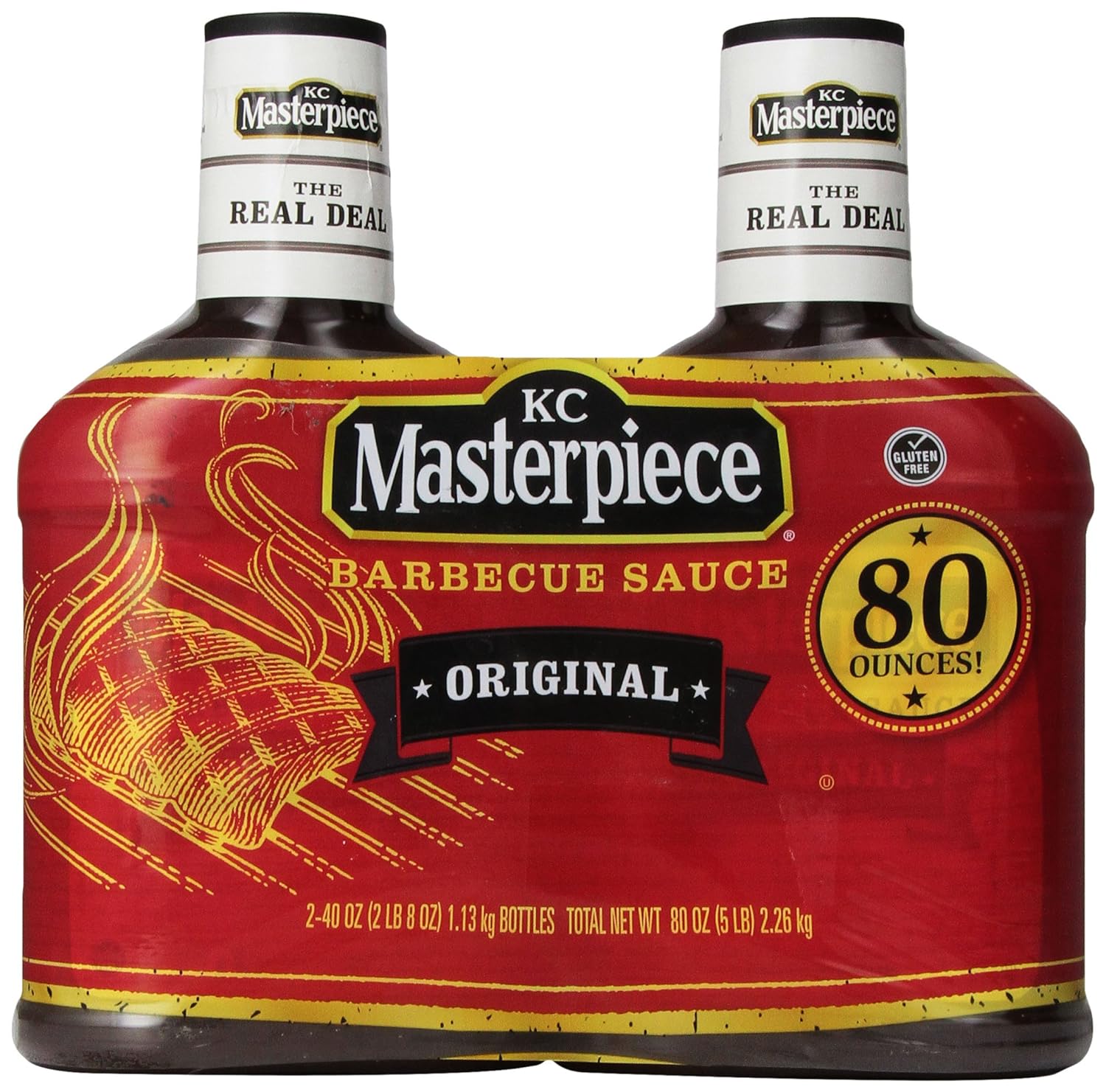
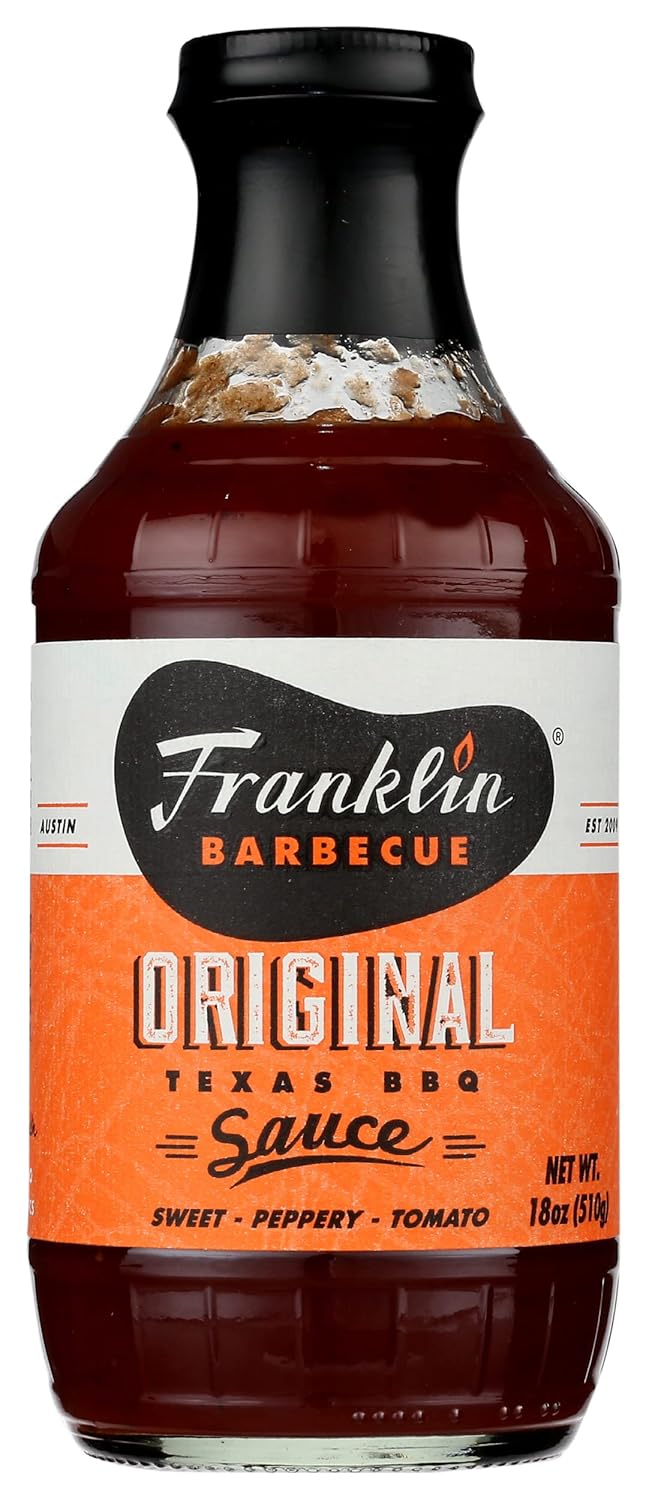
Silicone basting brushes are easier to clean and more heat-resistant than natural bristle versions, which can melt or singe near direct flame. For thinner sauces over a longer cook, a traditional cotton “mop” style applicator distributes liquid more evenly across a large surface like a whole turkey or a rack of ribs. If you’re applying sauce, our guide on best barbecue sauces is worth checking before you commit to a bottle, and pairing the right rub matters too — see best barbecue rubs for combinations that hold up well over long smokes.
Keeping meat moist over long, low-temperature cooks is part technique and part tooling — our deeper guide on keeping smoked meat moist with temperature and moisture control ties both together.
Rotisserie Kits and Skewer Sets
Rotisserie attachments and skewer sets are more specialized but open up cooking styles that grates alone can’t handle well — whole chickens turning evenly over indirect heat, or kebabs that need consistent rotation for even char.
Rotisserie Kits
Compatibility is the biggest factor here. Not every grill accepts the same spit rod diameter or motor mount, so check compatibility with your specific grill model before buying. A good kit includes counterbalanced forks that keep the load centered, since an unevenly loaded spit puts extra strain on the motor and can cause uneven cooking.
Skewers: Flat vs. Round
Round skewers let food spin in place when you try to turn them, which is a common frustration with cheaper sets. Flat or twisted skewers grip food in place, giving you more control when flipping kebabs. Stainless steel holds up far better than bamboo over repeated use, though bamboo remains useful for quick, single-use applications.
| Style | Grip on Food | Durability | Best For |
|---|---|---|---|
| Round Stainless | Low (food spins) | High | Large chunks, less turning needed |
| Flat/Twisted Stainless | High | High | Kebabs, frequent turning |
| Bamboo | Medium | Low (single-use) | Quick cookouts, easy disposal |
Storage, Caddies, and Organization
This category gets overlooked constantly, but anyone who has dug through a kitchen drawer mid-cook looking for tongs understands the appeal. A dedicated caddy or rail-mounted storage system keeps tools within arm’s reach and protects them from rust caused by being tossed into a drawer while still slightly damp.
Magnetic strips mounted near the grill, rolling carts with hooks, and simple canvas tool rolls all solve this differently depending on your space. If you’re building out a full station rather than just buying individual tools, our must-have BBQ accessories for precision and efficiency piece looks at how experienced grillers organize their full setup.
- Wall-mounted magnetic strip for metal tools
- Weatherproof tool caddy if storing tools outdoors
- Hooks rated for the weight of heavier tools like spatulas and forks
- Separate storage for wood chips to keep them dry
Safety Gear Worth Owning
Beyond gloves, a few other safety-focused accessories are worth having on hand, especially if you’re cooking with charcoal or running a smoker for extended periods. A long-handled lighter or torch reduces the need to lean over an open flame, and a small fire extinguisher rated for grease fires belongs near any cooking station, gas or charcoal.
Flare-ups are one of the more common safety issues, particularly on gas grills with grease buildup in the burner tubes. Our guide on how to prevent flare-ups on a gas grill covers both prevention habits and which tools help catch the problem early.
If you’re cooking with charcoal regularly, it’s also worth understanding the broader health context around smoke exposure — our overview of health impacts of charcoal grilling emissions covers ventilation and placement considerations that matter more than people expect.
Full Accessory Comparison Table
Here’s a side-by-side look at every category covered, ranked loosely by how essential it is for a typical home griller versus a dedicated smoker enthusiast.
| Accessory | Priority Level | Typical Lifespan | Who Needs It Most |
|---|---|---|---|
| Instant-Read Thermometer | Essential | 3-5 years | Everyone |
| Locking Tongs | Essential | 5+ years | Everyone |
| Grill Brush/Scraper | Essential | 1 season | Everyone |
| Heat-Resistant Gloves | Essential | 2-4 years | Everyone |
| Wireless Probe Thermometer | High Value | 2-3 years | Smokers, long cooks |
| Smoker Box | High Value | 3-5 years | Gas grill owners wanting smoke |
| Silicone Grill Mat | Useful | 2-3 years | Vegetable/seafood grillers |
| Meat Injector | Useful | 5+ years | Brisket, turkey, pork shoulder cooks |
| Rotisserie Kit | Specialized | 5+ years | Whole-bird cooks |
| Branding Iron | Novelty | Indefinite | Gift occasions |
Accessories That Aren’t Worth the Hype
Not everything marketed as a “must-have” earns the title. A few categories consistently underdeliver relative to their price or shelf space.
Usually Skip
- Oversized 20+ piece tool sets with rarely-used pieces
- Novelty branding irons used once then forgotten
- Ultra-thin “as seen on TV” gloves with poor heat ratings
- Bulky multitools that do every job slightly worse
Buy Instead
- A few high-quality individual tools
- One genuinely heat-rated glove, well reviewed
- A dedicated thermometer over a gauge-only approach
- Single-purpose tools matched to how you actually cook
If you’re shopping for someone else rather than yourself, the calculus shifts slightly — gift-focused picks can lean a bit more toward fun, novelty items since the goal is enjoyment rather than pure utility. Our best barbecue gifts for grill masters and pit enthusiasts and best BBQ gifts for dad guides cover that angle well, and if you’re shopping seasonally, Father’s Day gift selection for grill masters is timed for exactly that.
It’s also worth keeping basic maintenance in mind alongside new accessory purchases — even the best tools won’t compensate for a grill or smoker that isn’t running well. Our barbecue maintenance essentials guide is a good companion piece to this one.

Build a kit that actually gets used. Skip the 30-piece novelty sets — a focused tool set with a case covers what most grillers reach for every time.
Check Price on AmazonFrequently Asked Questions
What BBQ accessories do I actually need to get started?
A grilling beginner really only needs four things: a reliable instant-read thermometer, a sturdy pair of locking tongs, a stiff-bristle or bristle-free grill brush, and a set of heat-resistant gloves. Everything past that is about convenience, precision, or specialized cooking styles like smoking, searing, or rotisserie work.
Are expensive grilling tool sets actually worth it?
Sometimes, but not always. Price in tool sets often reflects the number of pieces rather than the quality of the pieces, and many boxed sets include tools you will rarely use, like corn holders or basting brush sets, padded out to look like a bigger bundle. It is usually smarter to buy a few individual high-quality tools than one mediocre 20-piece kit.
Do I need a separate thermometer if my grill or smoker has a built-in temperature gauge?
Yes. Built-in lid thermometers measure ambient air temperature near the dome, which can be 20 to 50 degrees off from the actual grate-level cooking temperature, and they tell you nothing about the internal temperature of your food. A dedicated instant-read or leave-in probe thermometer is the single most useful accessory you can own.
What is the difference between a smoker box and wood chips placed directly on the coals?
A smoker box contains and controls wood chips so they smolder slowly instead of igniting into open flame, which produces steadier, longer-lasting smoke with less flare-up risk. Chips placed directly on coals tend to burn fast and hot, giving you a short burst of heavy smoke rather than a controlled, even one.
Can I use the same grill brush on both a gas grill and a cast iron griddle?
Not always. Stiff wire brushes are fine on most cast iron and stainless grates, but griddles and porcelain-coated grates do better with scraper-style tools or nylon brushes that will not scratch the surface or strip a seasoning layer. Check your manufacturer’s cleaning guidance before using a wire brush on a coated surface.
Are silicone grill mats safe to put directly on grates?
Food-grade silicone grill mats are heat-rated for direct grate contact up to certain temperature thresholds, usually listed by the manufacturer, and are safe for that range. Going well above the rated temperature can cause degradation, so it matters to check the specific mat’s heat rating rather than assuming all mats perform the same.
What is the most overrated BBQ accessory people buy and barely use?
Novelty branding irons and oversized 20-in-1 multitools tend to sit in a drawer after the first use. Branding irons are fun once and then forgotten, and bulky multitools usually do every job slightly worse than a dedicated tool would, which is why most experienced grillers end up going back to a handful of single-purpose essentials.
How often should I replace basic grilling accessories like brushes and mats?
Wire grill brushes should be inspected before every use and replaced at the first sign of loose bristles, generally every grilling season for regular users. Silicone mats and grates can last for years if cleaned properly, but should be retired once they crack, warp, or lose their non-stick surface.
Do grilling gloves actually protect against high heat, or are they mostly for show?
Quality grilling gloves made from materials like aramid fiber or silicone-lined cotton are genuinely heat-rated and tested for specific temperature ranges, which manufacturers list clearly. Thin novelty gloves with minimal insulation offer far less real protection, so checking the stated heat rating matters more than the look of the glove.
What accessory makes the biggest difference for someone who smokes meat regularly?
A leave-in wireless meat probe thermometer tends to make the single biggest difference for regular smokers, since it removes the guesswork from long cooks that can run six hours or more. Being able to monitor internal temperature from inside the house instead of opening the lid repeatedly also helps maintain a more stable cooking chamber temperature.
Should beginners buy accessories in a bundle or build a collection over time?
Building a collection gradually tends to produce better results, since it lets a new griller figure out their own habits and cooking style before investing in specialized gear. Starting with the four core essentials and adding tools as specific needs come up avoids spending money on accessories that end up unused.
Final Verdict
The best BBQ accessory collection isn’t the biggest one — it’s the one that matches how you actually cook. Start with a dependable thermometer, a solid pair of tongs, a brush that fits your grate type, and a heat-rated glove. From there, build outward based on your real habits: a smoker box if you’re chasing flavor on a gas grill, an injector if you’re tackling long cooks, a rotisserie kit if whole birds are part of your regular rotation.
Skip the oversized novelty sets and the gadgets that solve problems you don’t actually have. A focused, well-chosen set of tools will outlast and outperform a drawer full of gimmicks every time.
Ready to round out your setup? Take a look at our best barbecue tools guide for deeper picks in each category, or explore the best barbecue hub for everything else on the site.
Shop Top BBQ Accessories on Amazon