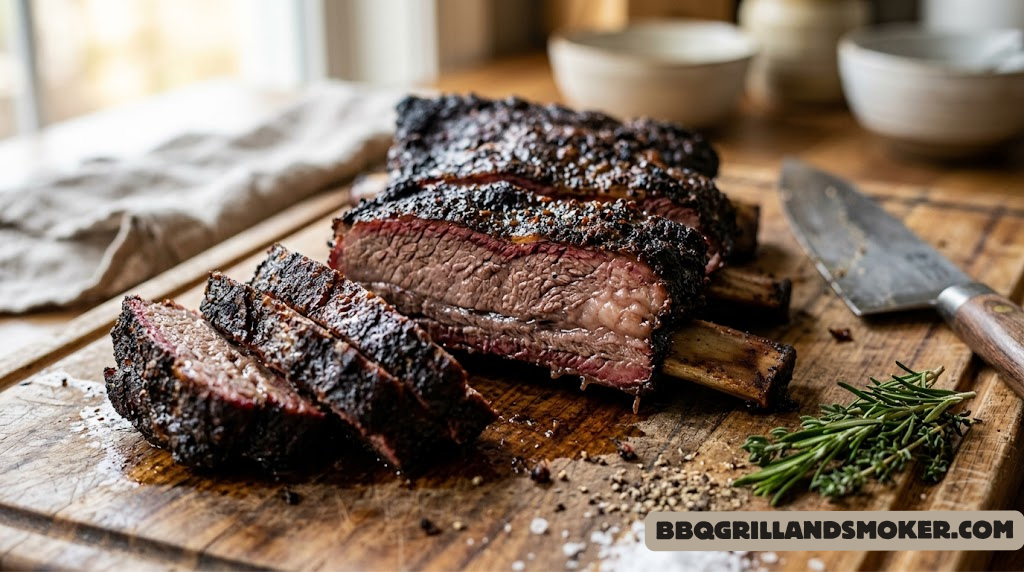
There is no more spectacular cut of meat in the barbecue universe than the beef plate short rib. Thick as your fist, dark as midnight, with a smoke ring pink as a Texas sunset — a properly smoked beef short rib is one of those dishes that makes people go completely silent at the table. Not the polite quiet of someone eating carefully. The reverent, jaw-dropping silence of someone realizing they’re experiencing something exceptional.
This guide is not a quick-and-dirty cheat sheet. It is a deep-dive reference you will return to every time you fire up your smoker for beef ribs. We cover everything: the science of collagen breakdown, wood smoke chemistry, the stall, bark formation, the Texas Crutch debate, temperature thresholds, resting protocols, troubleshooting, serving suggestions, and much more.
Whether you’re cooking on an offset smoker, a charcoal smoker, a pellet grill, or even a kettle, this recipe adapts to your setup. If you’re newer to the craft, start with our smoker guide for beginners to build your foundational skills first — then come back here ready to tackle the king of low-and-slow cooking.
What Are Beef Short Ribs? Understanding the Cut
Beef short ribs come from the rib section of the cow — but not just any part. “Short ribs” is a broad term that encompasses several different cuts from different primal areas, and understanding which one you’re dealing with is the first critical decision you’ll make before your smoker ever heats up.
Anatomically, the cow has 13 pairs of ribs. The short ribs we care about come primarily from the lower portion of the rib cage, specifically ribs 1 through 8. These short ribs are “short” not because the bones are small, but because they are cut shorter than the full-length rib bones — typically 2–4 inches of bone per section, with the meat stacked on top rather than being pulled back away from the bone.
The Anatomy of a Beef Short Rib Primal
When butchers break down a beef carcass, the ribs are separated into several different sections:
| Cut Name | Rib Location | Bone Size | Meat Thickness | Best Method |
|---|---|---|---|---|
| Plate Short Ribs (123A) | Ribs 6–8, lower plate | Large (8–12″) | Very thick (3–5″) | Smoking ⭐⭐⭐ |
| Chuck Short Ribs (130) | Ribs 1–5, chuck area | Medium | Medium | Smoking / Braising |
| Flanken Cut (thin sliced) | Across multiple ribs | Multiple thin sections | Thin (¾”) | Grilling / Korean BBQ |
| English Cut | Parallel to bone | Single rib per piece | Moderate | Braising preferred |
For smoking purposes, the answer is clear: Plate Short Ribs, USDA cut #123A, are what you want. These are what Texas BBQ legends like the great pit masters are known for — the “dino ribs” that look like Fred Flintstone’s order and weigh 1–1.5 pounds per bone. The meat sits in a thick cap directly on top of the bone with rich marbling throughout, and it contains enough intramuscular fat and connective tissue to be absolutely transformative after 8+ hours in the smoke.
Beef Plate Ribs vs. Chuck Short Ribs
If you’ve ordered “beef short ribs” at a butcher and received something smaller than expected, you likely got chuck short ribs. They’re a fine cut and smoke up beautifully, but they lack the dramatic presentation of plate ribs and have a somewhat different fat distribution. Chuck ribs are more rectangular, and the meat cap is thinner. For the iconic “dino rib” look and the maximum gelatin-rich mouthfeel, you must seek out plate ribs specifically.
Ask your butcher for “beef plate short ribs,” “3-bone plate,” or “USDA #123A” — and don’t let them substitute without telling you. Your cooking time, technique, and expectations will shift significantly depending on what you actually have.

Upgrade to a Pro-Grade Pellet Smoker
For consistent 250°F temps across an 8-hour cook, you need a reliable smoker. The Traeger Ironwood 885 delivers precision temperature control with a massive 885 sq in cooking surface — perfect for dino ribs.
🛒 Shop Top Pellet Smokers on AmazonChoosing the Right Cut: What to Look for at the Butcher
Not all beef short ribs are created equal. When you’re paying premium prices for a cut that demands 8 hours of your time, selecting quality meat at the source is not optional — it’s the foundation everything else is built on. Here’s what separates exceptional smoking ribs from disappointing ones:
Grade: USDA Choice vs. Prime
USDA Prime is the gold standard. It has the highest marbling level — threads of intramuscular fat that melt during cooking and create that buttery, pull-apart texture. For beef short ribs, Prime makes a noticeable, significant difference. If you can source Prime grade plate ribs, do it. The extra cost is absolutely worth it for a cut this size.
USDA Choice is what most grocery stores carry. It will still produce excellent results with proper technique — better smoke management, a longer rest, and careful temperature control can compensate for lower marbling. But side-by-side, Prime wins every time.
🥩 Quick Grading Reference
Prime: Heavy marbling, typically 2–3% of US beef. Best for smoking.
Choice: Moderate marbling. Widely available. Great results with proper technique.
Select: Light marbling. Better suited for braising than smoking.
What to Look For Visually
- Thick meat cap: You want at least 2–3 inches of meat sitting above the bone. Thin-capped ribs smoke faster but have less WOW factor.
- Marbling throughout: Look for white fat threads running through the red meat muscle, not just a fat cap on the exterior.
- Deep red color: Bright cherry-red indicates freshness. Avoid brown or grayish meat.
- Minimal bone chips: Check the cut ends for clean saw marks without excessive bone shards embedded in the meat.
- Even thickness: A rack with consistent thickness cooks more evenly. Avoid racks where some bones have vastly more meat than others.
How Much to Buy
Plan for bone-in yield. A 3-bone rack of plate short ribs typically weighs 4–6 pounds raw and serves 3–4 people (generously). The bones themselves account for 30–40% of the weight, and you’ll lose another 20–25% in moisture and fat during cooking. So that 5-pound rack yields approximately 2.5–3 pounds of eating meat. Buy accordingly.
For a backyard cookout of 8 people, plan for two 3-bone racks minimum. For true BBQ lovers, one bone per person as the centerpiece — with hearty sides — hits the right mark of spectacular without excess.
Where to Source Quality Beef Short Ribs
- Local butcher shops: The absolute best source. A good butcher can order Prime plate ribs, cut to your spec, and trim exactly how you want them.
- Warehouse stores (Costco, Sam’s Club): Often carry USDA Choice plate ribs at excellent value. Worth checking the meat case.
- Online meat purveyors: Snake River Farms, Porter Road, and Crowd Cow all ship Prime and Wagyu plate ribs directly to your door — premium pricing but unbeatable quality.
- Grocery stores: Hit or miss. You’ll often find pre-cut English-style or flanken ribs here, not plate ribs. Always ask the butcher counter specifically.
Essential Equipment for Smoking Beef Short Ribs
Great smoked beef short ribs are achievable on a wide range of equipment — but some tools are non-negotiable for success. Here’s a complete breakdown of what you need and what’s nice to have:
The Smoker
Your smoker choice will determine your workflow, but not your outcome — great ribs have been produced on offset smokers, pellet grills, kettle grills, bullet smokers, and even kamado cookers. What matters is your ability to maintain a steady temperature in the 250–275°F range for 7–10 hours. See our full best barbecue smokers guide for comprehensive reviews and comparisons.
If you’re deciding between a pellet smoker and a traditional charcoal setup, our pellet grill vs charcoal grill comparison and our offset smoker vs pellet smoker analysis will help you make the right call for your needs and budget.
Non-Negotiable Tools
| Tool | Why You Need It | What to Look For |
|---|---|---|
| Leave-in Probe Thermometer | Monitor internal temp without opening the smoker | Wireless, ±1°F accuracy, long probe cable |
| Instant-Read Thermometer | Verify doneness and check multiple spots | Fast (<3 sec read), waterproof |
| Long-Handle Tongs | Moving ribs safely without burning yourself | 16–18″, locking mechanism, silicone grip |
| Pink Butcher Paper | Wrapping at the stall (Texas Crutch) | Uncoated, unbleached, 18″ wide rolls |
| Boning/Slicing Knife | Trimming fat cap and slicing finished ribs | 12″ slicer, granton edge for clean cuts |
| Spray Bottle | Spritzing during the cook (optional) | Food-grade, fine mist setting |
For a comprehensive look at BBQ tools worth investing in, check out our curated best barbecue tools guide and our deep-dive into comparing BBQ tool sets by material and function.
Optional But Highly Recommended
- Insulated cooler (Cambro-style): For resting the finished ribs. Keeps meat hot for 2+ hours without an oven.
- Nitrile gloves: For handling raw meat and pulling/handling hot finished ribs.
- Charcoal chimney: If using a charcoal-based smoker, a chimney makes lighting clean and controlled.
- Smoke thermometer (ambient): A secondary probe monitoring the smoker temperature itself — not just relying on the built-in dial, which is often inaccurate.

The Thermometer That Pitmasters Trust
A wireless leave-in probe thermometer is the single biggest upgrade you can make to your smoking game. Never guess, never open the smoker, never ruin a $60 rack of ribs from guesswork again.
🛒 Shop Wireless BBQ ThermometersThe Perfect Rub for Smoked Beef Short Ribs
Rub philosophy for beef short ribs is where you’ll find the most debate in BBQ circles — and the simplest answer is almost always the best one. Beef, especially richly marbled beef plate ribs, doesn’t need to be smothered in complicated spice blends. The meat itself is the star. Your job is to enhance it, not compete with it.
The Classic Texas-Style SPG Rub
Texas BBQ culture made “SPG” — Salt, Pepper, Garlic — famous for a reason. These three ingredients highlight the natural beefy depth of plate ribs without introducing flavors that fight the smoke. Every ingredient earns its place:
🧂 Base SPG Rub (Per 4–6 lb rack)
3 tbsp coarse kosher salt (Diamond Crystal preferred)
2 tbsp coarse-cracked black pepper (16-mesh preferred)
1 tbsp garlic powder
1 tsp smoked paprika (optional, for color enhancement)
½ tsp onion powder (optional)
Why Coarseness Matters
The grind of your salt and pepper directly affects bark formation. Fine table salt dissolves quickly and can create a paste rather than a crust. Coarse kosher salt draws out surface moisture and creates the granular texture that forms bark as it dries. Similarly, coarse-cracked (not finely ground) black pepper provides the visual pepper crust you see on competition-quality Texas ribs.
If you want to explore premium pre-made rub options, we’ve done the hard work in our best barbecue rubs guide. There are excellent commercial rubs that save time without sacrificing quality — and some of them specifically target beef cuts brilliantly.
The Role of the Binder
A binder (or “slather”) is applied to the ribs before the rub to help it adhere and not fall off during handling. Common choices include:
- Yellow mustard: Classic. The acidity helps tenderize the surface slightly, and the flavor cooks off completely. Don’t taste it raw and worry — you will NOT taste mustard on the finished rib.
- Worcestershire sauce: Adds umami depth. Thin — more of a liquid coating than a paste.
- Hot sauce: Thin heat, good acid, no discernible flavor in the finish.
- Nothing at all: Some pitmasters apply rub directly to dry or slightly tacky meat and skip the binder entirely. Works fine if the rub has had time to wet-set with surface moisture.
Variations Worth Trying
Once you’ve mastered the classic SPG, these additions can take your ribs to the next level depending on your flavor goals:
| Addition | Amount | Flavor Effect |
|---|---|---|
| Brown sugar | 1 tbsp | Sweeter bark, more caramelization |
| Cayenne pepper | ½–1 tsp | Background heat without burn |
| Dried thyme | 1 tsp | Herbal, European character |
| Coffee/espresso powder | 1 tsp | Bitterness to balance fat richness |
| Chipotle powder | 1 tsp | Smoky heat, depth |
| Dry mustard powder | 1 tsp | Complexity, mild heat |
If you enjoy making your own spice blends, our homemade BBQ rub recipe guide covers techniques, ratios, and flavor balancing in depth. Creating your own signature rub is one of the most satisfying parts of developing as a pitmaster.
Step-by-Step Preparation: From Butcher Paper to Smoker Ready
1 Unwrap, Inspect & Bring to Temperature
Remove the ribs from refrigerator 60–90 minutes before smoking. This “tempering” step allows the surface of the meat to come closer to room temperature, reducing the abrupt temperature shock when it hits the smoker and resulting in more even cooking from edge to center. While the ribs temper, inspect each rack: check for bone chips, excessive sinew, and overall symmetry of the meat cap.
2 Trim the Fat Cap
Plate short ribs come with a substantial fat cap on the top side (the convex, “meaty” side). Unlike brisket where you leave a ¼-inch fat cap to protect during a long cook, beef short ribs benefit from more aggressive trimming — but not complete removal. Aim to leave ⅛–¼ inch of fat on top. Any thicker and the fat won’t fully render and becomes greasy rather than silky. Use a sharp boning knife and work in long, sweeping motions, following the contour of the meat.
3 Apply the Binder & Rub
Coat all surfaces of the rack lightly with yellow mustard using a brush or your gloved hand — a thin, even film is all you need. Immediately follow with your SPG rub. Apply generously: use enough rub that you can see it clearly on the surface, pressing it gently into the mustard binder. Work from the top down — fat cap first, then the sides, then the bone underside. Pay special attention to the ends of the rack where the meat is exposed; these areas benefit most from the rub’s seasoning penetration.
4 Dry Brine (Overnight, Optional but Recommended)
Once rubbed, place the rack bone-side down on a wire rack set over a sheet pan and refrigerate uncovered overnight (8–16 hours). This dry brining process allows the salt to draw surface moisture, form a brine, and then reabsorb deeply into the meat — seasoning it from the inside out. The surface also dries significantly during this time, which promotes better bark formation when the ribs hit the smoker. If you’re time-constrained, even 45 minutes of resting is better than none; the overnight brine is the maximum improvement scenario.

Pink Butcher Paper — The Texas Crutch Essential
Uncoated pink butcher paper is the secret weapon of Texas BBQ. It protects bark while allowing steam to escape — critical for pushing through the stall without making your ribs steamed and soggy like foil does.
🛒 Shop Pink Butcher Paper on AmazonThe Smoking Process: A Complete Timeline Walkthrough
Smoking beef short ribs is a long, patient process that rewards discipline. There are no shortcuts that don’t cost you quality. Here is a comprehensive timeline and play-by-play of exactly what happens during a successful smoke, from cold smoker to plate.
Hour 0: Smoker Setup & Preheat (Allow 30–60 min)
Before the ribs ever touch the grate, get your smoker stabilized at temperature. This is more important than most beginners realize. A smoker that hasn’t fully reached and stabilized at 250°F will produce inconsistent results in the first critical hour — the period when the smoke ring forms and the bark starts building.
- Target internal smoker temperature: 250–275°F at grate level
- Do not rely on the built-in dome thermometer — it reads 30–50°F hotter than grate level in most smokers
- Use a secondary probe thermometer placed at grate level, near where the ribs will sit
- Add your first load of wood once temperature is stable
Hours 1–4: The Bark-Building Phase (The Open Smoke)
Place the ribs fat-side up on the grate, bones down. Fat-side up allows the fat to slowly baste the meat below as it renders. Close the smoker and resist the urge to open it frequently. Every time you open the smoker, you lose 15–20°F and 10–15 minutes of stable cooking time.
During this first phase, you’re watching for:
- Deep mahogany bark formation on the meat surface
- The meat pulling back from the ends of the bones (just slightly — not as dramatically as pork ribs)
- Surface moisture: ribs will “sweat” and appear wet, then gradually dry out as bark forms
If you want to spritz (optional), start after the 2-hour mark using a mixture of beef broth and apple cider vinegar (3:1 ratio). Spritz quickly and close the smoker immediately. See our guide on keeping smoked meat moist through temperature and moisture control for detailed spritzing science.
Hours 4–6: The Stall
Between 155°F and 170°F internal temperature, your ribs will stop increasing in temperature — sometimes for 1–3 hours. This is called “the stall” and it terrifies new smokers into making the mistake of cranking up the heat. Do not do this.
🔬 The Science of the Stall
The stall occurs because the evaporation of moisture from the meat’s surface creates evaporative cooling — the same mechanism that keeps you cool when you sweat. The energy from the smoker is being used to evaporate water rather than raise the internal temperature. It’s not a sign something is wrong; it’s physics doing exactly what it should.
Once internal temperature reaches 165–170°F and the bark is visually set — dark, firm, and not easily smeared when touched — it’s time to wrap. This is covered in detail in the wrapping section below.
If you’re struggling with temperature consistency during long cooks, our troubleshooting guides for specific smoker brands might help: Traeger temperature issues, Masterbuilt heating problems, and Camp Chef not getting hot enough.
Hours 6–8+: The Wrapped Phase & Final Push
Once wrapped in pink butcher paper, the ribs continue cooking. Temperature rise becomes more consistent as the evaporative cooling effect is dramatically reduced. You’re now cooking toward a target of 200–205°F internal temperature — the zone where collagen has fully converted to gelatin and the meat is probe-tender throughout.
Check the ribs every 45 minutes with a probe thermometer. When you reach 200°F, probe the thickest part of the meat (not touching bone). If the probe slides in with zero resistance — like pushing into warm butter — you’re done. If there’s any resistance, give it another 30 minutes and check again. Always cook to feel and temperature, not time.
Wood Selection Guide: What to Burn and Why It Matters
Wood is your seasoning as much as salt and pepper. The smoke compounds that penetrate the meat during the first hours of cooking create irreplaceable flavor that no rub or sauce can duplicate. Choosing the right wood for beef is as important as any other decision in the process.
For a thorough comparison of smoking woods — including the specific chemical compounds that create different flavor profiles — our guide on wood chips vs wood chunks for smoking is essential reading. And if you’re torn between oak and mesquite (the two great rivals of Texas beef smoking), our hickory vs mesquite comparison breaks down the science and flavor outcomes.
| Wood Type | Smoke Intensity | Flavor Profile | Best For Beef? | Notes |
|---|---|---|---|---|
| Post Oak | Medium-Bold | Earthy, slightly sweet, clean | ✔ Best | Texas standard; the classic choice |
| Oak (Generic) | Medium | Clean, balanced, versatile | ✔ Excellent | Works beautifully, widely available |
| Hickory | Bold-Strong | Bacon-like, savory, assertive | ✔ Great | Use alone or blend 70/30 with oak |
| Cherry | Mild-Medium | Sweet, fruity, mild | ★ Good accent | Excellent color; blend with oak/hickory |
| Pecan | Medium | Nutty, mild, slightly sweet | ★ Good | A softer alternative to hickory |
| Mesquite | Very Bold | Pungent, earthy, intense | ⚠ Use sparingly | Can overwhelm; small amounts only |
| Apple | Mild | Sweet, subtle | ✘ Too mild | Better for pork and poultry |
Wood Format: Chunks vs. Chips
For a long cook like beef short ribs, wood chunks are strongly preferred over chips. Chips burn up in 20–30 minutes, requiring constant replenishment and creating temperature fluctuations. A 2–4 lb chunk of wood smolders steadily for 45–90 minutes, producing consistent thin blue smoke rather than the billowing white smoke that chips create when first added.
Pellets: What to Use in Pellet Grills
If you’re cooking on a pellet smoker, the same wood selection rules apply — but you’re choosing between pellet flavors rather than chunks. Look for:
- Competition Blend: Usually a mix of hickory, cherry, and oak — excellent all-around choice for beef
- Hickory pellets: Bold flavor, great for beef plate ribs specifically
- Oak pellets: Classic, clean — can’t go wrong
- Avoid apple, peach, or maple alone — too mild for the richness of beef short ribs
The Wrapping Method: Texas Crutch for Beef Short Ribs
The decision of whether and how to wrap your beef short ribs is one of the most debated topics in BBQ. Let’s cut through the noise with facts and give you the practical playbook that works.
Why Wrap at All?
When ribs hit the stall (155–170°F), evaporative cooling is fighting your smoker. Without wrapping, you can push through the stall naturally — but this takes significantly longer (sometimes 2+ additional hours) and the bark can over-develop to the point of becoming too bitter or too hard. Wrapping solves the stall by trapping steam and heat against the meat, dramatically accelerating the final temperature rise.
✅ Pros of Wrapping
- Pushes through the stall faster
- Retains more moisture in the final product
- Prevents bark from over-developing or drying out
- Reduces total cook time by 1–2 hours
- More consistent end results
⚠ Cons of Wrapping
- Slightly softens the bark
- Adds complexity to the cook
- Can make bark soggy if wrapped too early
- Foil can steam excessively if not managed
- Some purists prefer unwrapped for bark quality
Pink Butcher Paper vs. Aluminum Foil
Both work, but they produce different results:
- Pink butcher paper (recommended): Breathes slightly, allowing steam to escape rather than accumulate. The bark stays firmer and drier. This is the Texas BBQ standard for beef ribs. Use uncoated/unbleached paper — the pink color is natural, not a dye.
- Aluminum foil: Creates a completely sealed steam environment. Meat becomes very tender, very moist — but the bark softens significantly and can become almost slick. Some people call this “competition style.” For backyard eating, it works perfectly well.
How to Wrap Properly
- Pull two sheets of pink butcher paper large enough to wrap the rack at least twice
- Lay the rack bone-side down in the center of the paper
- Fold the paper up and over the ribs tightly, tucking the edges under
- Roll the rack over so the seam is facing down — this keeps juices from leaking
- Return to the smoker with the seam facing down

The Gold Standard of Offset Smokers
Nothing produces beef short ribs like a traditional offset smoker. The Oklahoma Joe’s Longhorn gives you firebox control, a massive cooking chamber, and that authentic stick-burner flavor that pellet grills can’t fully replicate.
🛒 Shop Offset Smokers on AmazonTemperature & Doneness Guide
Temperature is the language of smoking. Learn to read it fluently and you’ll never overcook or undercook smoked beef short ribs again. Here’s everything you need to know about temperature management from start to finish:
Smoker Temperature: Maintaining the Sweet Spot
The 250–275°F range is the sweet spot because it’s high enough to keep the cook moving at a reasonable pace, but low enough for collagen-to-gelatin conversion to occur properly. Collagen converts to gelatin at temperatures above 160–165°F, but the process takes time — approximately 2–4 hours of sustained heat above that threshold. Higher smoker temps rush this process and the result is meat that pulls apart but feels slightly dry rather than silky and rich.
Internal Meat Temperature: Understanding the Milestones
| Internal Temp | What’s Happening | What to Do |
|---|---|---|
| Below 130°F | Raw; early smoke ring forming | Leave it alone, don’t peek |
| 130–155°F | Myoglobin denaturing, bark building | Optional first spritz at 2hr mark |
| 155–170°F | THE STALL — evaporative cooling | Be patient; wrap when bark is set |
| 170–185°F | Post-wrap; collagen converting | Check every 45 min |
| 185–200°F | Final conversion; fat fully rendering | Probe frequently |
| 200–205°F | Done — probe tender, zero resistance | Pull and rest immediately |
| 210°F+ | Overcooked; drying out | Pull before this point |
The Probe Test: Temperature + Feel
Temperature gives you a starting point, but the real test is feel. At 200–205°F, insert your probe thermometer (or a skewer/toothpick) into the thickest part of the meat, away from the bone. It should slide in and out with zero resistance — the same sensation as probing a block of warm butter. If you feel any tightness or resistance at all, the ribs need more time regardless of what the thermometer says.
This is why “always cook to temperature, not time” is the most important rule in smoking. Two racks from the same store, same butcher, same weight can finish 45–90 minutes apart based on thickness variations, fat distribution, and your smoker’s temperature consistency. Never trust a clock over a thermometer.
For a deeper understanding of how smoke affects the color and structure of the meat, our guide on assessing smoke ring formation and meat color changes provides the scientific breakdown of exactly what you’re seeing when you slice into a perfectly smoked rib.
Resting & Slicing: Don’t Skip This Step
You’ve put 8 hours into this cook. The one place most home cooks ruin perfectly smoked beef short ribs is by cutting into them immediately after pulling from the smoker. Resting is not optional — it’s an integral part of the cooking process.
Why Resting Matters
During cooking, the proteins in the meat contract and squeeze moisture toward the center and toward the surface. If you cut immediately, those juices — which haven’t had time to reabsorb into the muscle fibers — pour out onto the cutting board, not into your mouth. Resting allows the proteins to relax and reabsorb juices throughout the meat uniformly. A properly rested rib retains significantly more moisture when sliced.
The Faux Cambro Method
A “Cambro” is a restaurant-grade insulated food-holding container used to keep food hot for hours. You don’t need the real thing. Here’s the backyard pitmaster version:
- Line a large cooler with old towels
- Place the wrapped ribs inside
- Add another towel on top
- Close the cooler lid
- The ribs will stay in the 145–160°F range for 2–4 hours
⏱ Resting Guidelines
Minimum rest: 45–60 minutes
Optimal rest: 60–90 minutes
Maximum hold (in Faux Cambro): Up to 4 hours
Do NOT rest uncovered — the bark will lose moisture rapidly
How to Slice
Beef short ribs are served bone-in, one bone per portion. Slicing is straightforward — follow the bone lines. Use a long slicing knife (12-inch granton edge is ideal) and make single, smooth cuts between each rib bone. Do not saw back and forth — one decisive stroke per cut. The meat should be so tender that very little pressure is required.
Troubleshooting: Common Problems & How to Fix Them
Even experienced pitmasters run into problems. Here are the most common issues with smoked beef short ribs and exactly how to address them:
Problem: Bark Won’t Form
Causes: Smoker temperature too low; too much moisture on the surface; wrapping too early; too much liquid in the smoker.
Fix: Ensure your smoker is at 250°F at grate level (not dome level). Dry brine overnight before smoking. If you’re partway through a cook and bark isn’t forming, bump smoker temp to 265°F for an hour. Let the bark set completely before any wrapping or spritzing.
Problem: Meat Is Tough or Chewy at the Right Temperature
Causes: Pulled before the stall fully broke; didn’t rest long enough; temperature was inconsistent (lots of spikes and drops).
Fix: Cook to probe-tender feel, not just temperature. If you’re at 200°F and still getting resistance, push to 203–205°F and test again. Always rest for at least 60 minutes. A faux cambro hold actually continues the cooking process slightly, further tenderizing.
Problem: Ribs Are Dry
Causes: Overcooked past 205°F; smoker running too hot; not wrapped; inferior grade of meat with insufficient marbling.
Fix: Pull earlier — 200°F is usually the sweet spot. Next cook: dry brine overnight, wrap in butcher paper at 165–170°F, and source better marbled meat. If serving dry ribs, a good finishing sauce can save the day. For sauce recommendations, check our best barbecue sauces guide.
Problem: Bitter Smoke Taste
Causes: Thick white smoke (incomplete combustion); too much wood; green (unseasoned) wood; early creosote buildup.
Fix: Use properly seasoned hardwood only. Use less wood — for beef ribs, 2–3 fist-sized chunks in the first 3 hours is often sufficient. The smoker should produce thin, nearly invisible blue smoke. If the smoke is thick and white, open vents and let it clear before adding more wood. Our guide to grilling vs smoking heat and flavor mechanics explains the chemistry in full.
Problem: Uneven Cooking Across the Rack
Causes: Hot spots in smoker; ribs too close to heat source; inconsistent thickness across the rack.
Fix: Learn your smoker’s hot spots by cooking with bread or plain potatoes and observing which brown faster. Rotate the rack 180 degrees at the 3-hour mark. For offset smokers specifically, the firebox end is typically 25–40°F hotter than the opposite end.
Problem: Ribs Not Done After 10+ Hours
Causes: Smoker running cooler than displayed; poor airflow; exceptionally thick rack; stall lasting longer than expected.
Fix: Verify smoker temperature with a secondary probe. Boost to 275°F after the stall. Wrap in foil (not paper) for faster heat transfer. If you need to serve in a specific window, plan for a longer faux cambro rest — ribs will hold hot and tender for 2–4 hours.
For smoker-specific problems, we have targeted resources: Pit Boss ERH code explained, Green Mountain Grill auger noise, and general barbecue maintenance essentials to keep your equipment running perfectly.
📋 The Complete Smoked Beef Short Ribs Recipe
🥩 Ingredients
- 4–6 lb beef plate short ribs (3-bone rack, #123A), USDA Choice or Prime
- 3 tbsp coarse kosher salt
- 2 tbsp coarse-cracked black pepper (16-mesh)
- 1 tbsp garlic powder
- 1 tsp smoked paprika
- ½ tsp onion powder
- 2 tbsp yellow mustard (binder)
- Oak or post oak wood chunks (2–3 pieces)
- Beef broth + apple cider vinegar spritz (optional)
🛠 Equipment
- Smoker (offset, pellet, kettle, or bullet)
- Leave-in probe thermometer
- Instant-read thermometer
- Pink butcher paper (18″)
- Sharp boning knife + 12″ slicer
- Spray bottle (for optional spritz)
- Large cooler + towels (for resting)
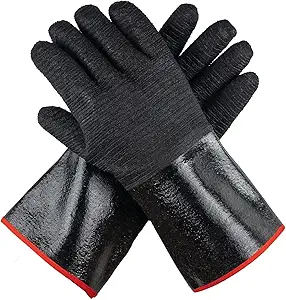
- Heat-resistant gloves
📝 Instructions
- Temper: Remove ribs from fridge 60–90 min before smoking.
- Trim: Reduce fat cap to ⅛–¼ inch. Score remaining fat lightly.
- Season: Coat with thin layer of mustard. Apply SPG rub generously to all surfaces. Dry brine uncovered in fridge overnight or minimum 45 min.
- Preheat: Bring smoker to 250–275°F with probe at grate level. Add first oak chunks once temp is stable.
- Smoke: Place ribs fat-side up, bone-side down. Do not open smoker for first 2 hours. Optional: spritz with beef broth/ACV mix every 90 min after hour 2.
- Monitor: Watch for bark formation and internal temp progression. Expect the stall at 155–170°F.
- Wrap: When internal temp reaches 165–170°F and bark is set (firm, dark, dry), wrap tightly in pink butcher paper seam-side down.
- Finish: Continue smoking to 200–205°F internal. Test with probe — zero resistance = done.
- Rest: Keep wrapped, place in towel-lined cooler for 60–90 min minimum.
- Slice & Serve: Slice between each bone. Serve bone-in. Enjoy immediately.
Serving & Side Dish Pairings
A beef short rib of this caliber is so rich and intensely flavored that it demands sides that either cut through the fat, complement the smokiness, or provide textural contrast. Here are the classic and creative pairings that work best:
Traditional Texas BBQ Sides
- White bread or potato rolls: The classic Texas accompaniment. No butter needed — the beef fat is your bread condiment.
- Pickles & raw onion: Acid and sharp bite cut through the richness perfectly.
- Pinto beans: Smoky, earthy, and protein-forward — the classic Texas “cowboy” companion.
- Coleslaw: Creamy or vinegar-based, both work. The coolness and crunch contrast beautifully with the hot, tender rib meat.
Elevated Side Pairings
- Smoked mac and cheese: Rich meets rich — surprisingly wonderful. See our smoked mac and cheese recipe for the full guide.
- Creamy polenta or grits: The silky texture contrasts with the bark of the rib and absorbs the dripping juices beautifully.
- Grilled corn on the cob: Sweet, charred corn is a natural complement. Our BBQ grilled corn recipe shows you exactly how to do it right.
- Smoked baked potatoes: Run them in the smoker for the last 2 hours of your rib cook. Split, butter, and serve alongside.
- Roasted root vegetables: Carrots, parsnips, and sweet potatoes bring sweetness to offset the savory depth.
Sauce: To Sauce or Not to Sauce?
Traditionalists say smoked beef short ribs need no sauce — and they’re right. The natural bark, rendered fat, and smoke create a complete flavor experience without embellishment. However, if you love sauce, serve it on the side rather than drowning the ribs. A thin, tangy, vinegar-based sauce or a chimichurri pairs best with the beefy richness. Our comprehensive best barbecue sauces guide includes recommendations specifically for beef.
Other BBQ Recipes to Pair or Serve Alongside
If you’re feeding a crowd and want variety alongside your dino ribs, consider these companion recipes from our collection:
- Smoked pulled pork — a crowd-pleaser that can be made simultaneously
- Smoked whole chicken — for lighter option alongside the rich beef
- BBQ grilled shrimp skewers — quick appetizer while the ribs rest
- Grilled lamb chops — for guests who want something different
- Smoked pork belly burnt ends — another showstopper for the serious BBQ spread

Vertical Smokers: Maximum Capacity, Perfect for Ribs
Vertical pellet smokers give you multiple racks of space and ideal heat distribution for long cooks. Perfect for smoking multiple racks of short ribs simultaneously. Set-and-forget simplicity meets legendary results.
🛒 Shop Vertical Pellet SmokersSmoker Type Comparison for Beef Short Ribs
Every type of smoker can produce excellent beef short ribs — but each has trade-offs in terms of flavor, effort, and temperature consistency. Here’s an honest side-by-side comparison:
| Smoker Type | Flavor Quality | Temp Control | Effort Level | Cost | Best For |
|---|---|---|---|---|---|
| Offset Smoker | ★★★★★ | ★★★ | High (active management) | $$–$$$ | Purists, best authentic flavor |
| Pellet Grill | ★★★★ | ★★★★★ | Low (set and forget) | $$$ | Consistency, convenience |
| Kamado Grill | ★★★★★ | ★★★★ | Medium | $$$$ | All-rounder, great heat retention |
| Kettle Grill | ★★★★ | ★★★ | Medium | $ | Budget-friendly, versatile |
| Bullet/WSM | ★★★★ | ★★★★ | Low-Medium | $$ | Great long-cook stability |
| Electric Smoker | ★★★ | ★★★★★ | Very Low | $–$$ | Beginners, apartment smoking |
For detailed analysis of these comparisons, explore our resources: pellet smoker vs electric smoker comparison, kamado grill vs pellet grill showdown, and charcoal smoker vs electric smoker performance.
If you’re in the market for a new smoker specifically for low-and-slow ribs and brisket, our dedicated smoker selection guide for low and slow cooking will walk you through exactly what to look for in each category.
✅ Best Smokers for Beginners
- Pellet grills (automatic temp control)
- Electric smokers (simplest operation)
- Weber Smokey Mountain (bullet smoker)
- Well-insulated kamado grills
⚠ Smokers That Demand Experience
- Offset smokers (require fire management)
- Kettle grills (fussy for 8+ hour cooks)
- Thin-gauge cheap offsets (temp spikes)
- Small propane smokers (limited capacity)

The Weber Smokey Mountain: A BBQ Legend
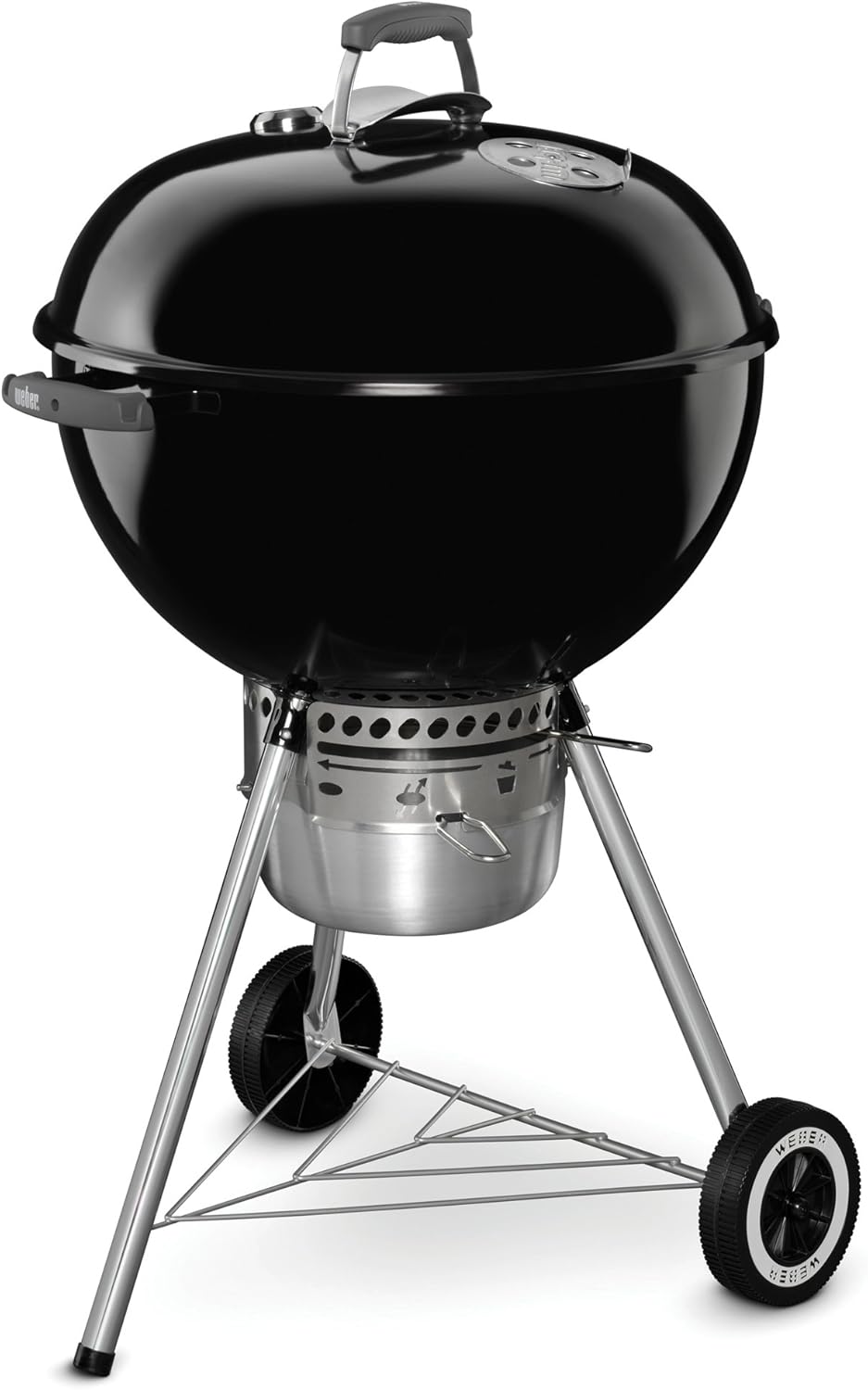
Generations of pitmasters have started their journey on the Weber Smokey Mountain. It’s the perfect intro to charcoal smoking — reliable, efficient, and produces incredible smoked beef short ribs with just a bit of practice.
🛒 Shop Weber Smokey Mountain on AmazonFrequently Asked Questions
Smoke beef short ribs at 250–275°F for the best results. This low-and-slow range renders collagen into gelatin without drying the meat. Some pitmasters go as low as 225°F for even more smoke penetration, but 250°F is the sweet spot for most backyard setups. Always measure temperature at grate level, not from the dome thermometer.
Expect 7–10 hours total depending on rib thickness, smoker consistency, and target internal temperature. A general guideline is 1–1.5 hours per pound of meat (bone-in weight). Always cook to temperature — 200–205°F internal and probe-tender — rather than relying on time.
Oak (especially post oak) is the gold standard for beef short ribs. It provides medium-to-bold smoke that complements beef without overwhelming it. Hickory is popular for a stronger, bacon-like flavor. Cherry adds subtle sweetness and beautiful color to the bark. Avoid apple wood alone — it’s too mild for this rich cut. See our full hickory vs mesquite comparison for more.
Yes, wrapping in pink butcher paper (the Texas Crutch) is recommended once ribs hit 165–170°F internal temp. Pink butcher paper lets some steam escape while protecting the bark, helping push through the stall while retaining moisture. Foil also works but softens the bark more aggressively. Unwrapped ribs are possible but require more time and active management.
Beef short ribs are done when they reach 200–205°F internal temperature AND when a probe slides in with zero resistance — like pushing into warm butter. Do not pull at 190°F — the collagen and fat need the full 200–205°F to fully render for that signature buttery tenderness.
Unlike pork ribs, the back membrane on beef short ribs is less problematic — many experienced pitmasters leave it on. However, scoring the fat cap with a sharp knife (1-inch crosshatch pattern) helps the rub penetrate and improves bark formation without the effort of full membrane removal. The silverskin on the sides of the rack should be trimmed if present.
Absolutely. Pellet grills are excellent for smoking beef short ribs due to their consistent temperature control. Set your pellet grill to 250–265°F, use oak or hickory pellets, and follow the same process. The results are outstanding. For top picks, see our best barbecue smokers guide.
The stall is a temperature plateau — usually between 155–170°F internal — caused by evaporative cooling as the meat sweats moisture. It can last 1–3 hours and is completely normal. Wrapping in butcher paper or foil at the stall helps push through it faster without sacrificing too much bark quality. Don’t raise smoker temp dramatically to fight it.
Rest smoked beef short ribs for at least 45–60 minutes after pulling from the smoker. Keep them wrapped and place in a towel-lined cooler (the “faux Cambro” method) to hold heat. This resting period allows juices to redistribute for maximum moisture and easier slicing. Ribs will hold safely in a faux Cambro for up to 4 hours.
Beef plate ribs come from ribs 6–8 near the belly — the largest, most marbled short ribs with dramatic presentation. Chuck short ribs (ribs 1–5, near the shoulder) are smaller with thinner meat caps and braise beautifully but lack the “dino rib” visual impact and deep fat content of plate ribs. For smoking, always seek out plate ribs (#123A).
Spritzing is optional for beef short ribs — less critical than for pork. If you choose to spritz, use a mixture of beef broth and apple cider vinegar (3:1 ratio) every 90 minutes after the first 2 hours. Avoid opening the smoker too early or frequently. More spritzing does NOT mean more moisture — it can actually slow bark formation and extend cook time.
Yes, with creative adaptation. A kettle grill set up for indirect heat with wood chunks can approximate a smoker for a 1–2 bone rack. An oven “smoked” method using liquid smoke, a low temperature (275°F), and a tight foil wrap for most of the cook can produce tender results — but without bark or smoke ring. For the real thing, a true smoker is irreplaceable, even an entry-level electric smoker.
Conclusion: Go Make the Best Ribs of Your Life
Smoked beef short ribs are a commitment — in time, in attention, in ingredient quality. But when you pull that rack from the smoker after 8 hours, slice through dark bark into impossibly tender, smoke-kissed beef, and watch the meat practically fall away from the bone on its own, you’ll understand why pitmasters across the country consider this the pinnacle of backyard BBQ.
Every skill covered in this guide — selecting the right plate rib, applying the perfect SPG rub, reading the stall, knowing when to wrap, judging doneness by feel — improves with every cook you do. Your first rack may not be perfect. Your tenth one will be extraordinary. The fire is waiting.
Need more inspiration? Explore our smoked pulled pork recipe, 3-2-1 rib method, and the complete BBQ baby back ribs guide to keep your smoker busy all season.
🔥 Find Your Perfect Smoker →