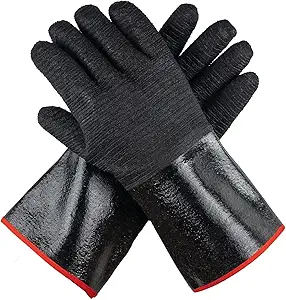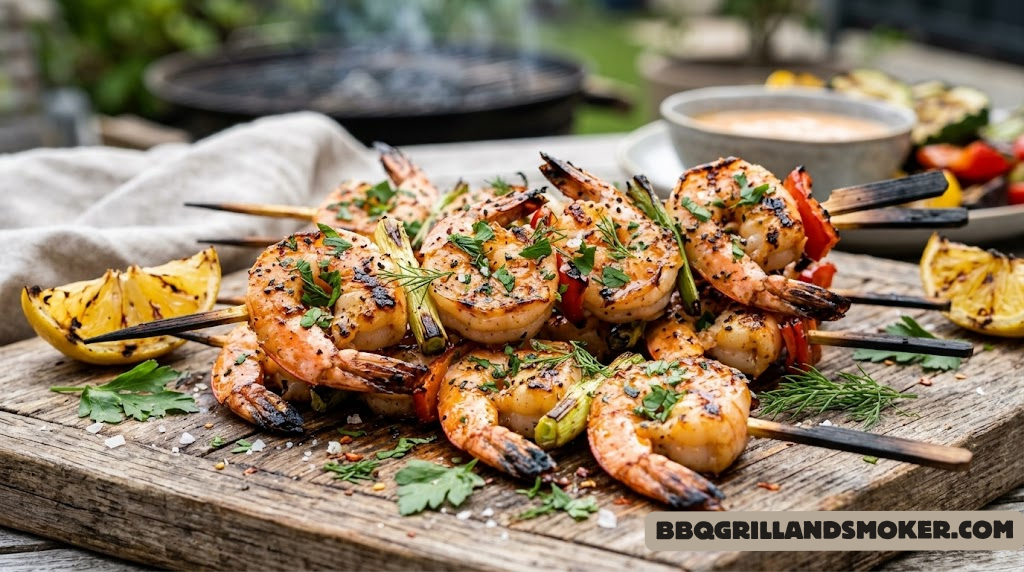
There are dishes that take all day, and then there are dishes that take eight minutes and earn you the same praise. BBQ grilled shrimp skewers are firmly in the second category. Few things at a cookout generate more excitement than a loaded skewer of plump shrimp hitting a screaming-hot grill, the immediate sizzle of the marinade hitting the grate, and the curl of smoke rising from the char marks searing into each piece.
Yet for all its speed and simplicity, this dish is riddled with ways to go wrong. Rubbery shrimp with no flavor. Overcooked protein with the texture of pencil erasers. Skewers that catch fire. Shrimp that stick, tear apart, and fall into the coals. A marinade that burns before it caramelizes. Sound familiar? You’re not alone. These are the pitfalls that separate a genuinely spectacular plate of grilled shrimp from a disappointing one — and every single one of them is preventable.
This guide covers everything: how to pick the right shrimp (size, freshness, shell-on vs. peeled), how to build a marinade that penetrates and doesn’t torch, how to set up your grill for maximum char with minimum risk, how to tell when shrimp are done to perfection, and the ten most creative flavor variations you can put on a skewer. Whether you’re working a charcoal kettle, a gas burner, or even a high-end backyard setup, the principles here apply universally.
By the end, you’ll have a complete, deeply-understood toolkit for cooking shrimp skewers that are juicy on the inside, caramelized on the outside, and never rubbery in the middle. Let’s fire it up.
Why Shrimp Skewers Rule the Grill
Among the entire pantheon of BBQ proteins — briskets, ribs, chicken thighs, pork shoulders — grilled shrimp occupies a unique and underappreciated throne. It’s the only major BBQ protein that goes from raw to perfectly cooked in under ten minutes. It absorbs marinades quickly, caramelizes beautifully on high heat, pairs with an almost infinite range of flavor profiles, and feeds a crowd without the stress of long-format smoking or roasting.
Shrimp are also one of the most forgiving canvases for flavor experimentation. Their mild, slightly sweet flesh takes on smoky char notes effortlessly. A garlic-butter-lemon marinade makes them taste like a high-end bistro appetizer. A chili-lime rub gives them a street-food intensity. A teriyaki glaze turns them into something you’d serve over rice at a Japanese izakaya. This versatility is unmatched in the backyard cooking world.
The Science of Why Shrimp Grill So Well
Shrimp have a relatively low fat content and high surface-area-to-mass ratio compared to larger proteins. This means the Maillard reaction — the chemical browning process responsible for that gorgeous caramelized crust — happens very quickly and on a proportionally large portion of the food’s surface. In practical terms: you get a lot of crust per bite. That’s flavor.
Their natural sugars, especially in sweet Asian-style marinades, caramelize into a lacquer-like coating that delivers both visual appeal and concentrated sweetness. The proteins in shrimp also denature quickly at heat, which is why timing is critical — but also why you can achieve perfection so rapidly compared to other meats. Understanding the mechanics of heat and time in grilling vs smoking helps you appreciate just how different shrimp’s chemistry is from a brisket’s.
Shrimp vs. Other Quick-Grill Proteins
| Protein | Grill Time | Marinade Absorption | Char Quality | Crowd Appeal | Skill Required |
|---|---|---|---|---|---|
| Shrimp Skewers | 6–10 min | Excellent (20–30 min) | Outstanding | Very High | Low–Medium |
| Chicken Thighs | 20–28 min | Good (2–4 hrs) | Very Good | High | Medium |
| Scallops | 4–6 min | Fair (15 min) | Excellent | Medium | High |
| Steak | 8–14 min | Fair (30–60 min) | Outstanding | Very High | High |
| Fish Fillets | 8–12 min | Moderate (15–30 min) | Good | Medium | High |
The combination of fast cook time, high crowd appeal, and relatively low required skill makes shrimp skewers one of the best value-per-effort dishes in the backyard grilling repertoire. This is especially true when you want to impress guests without hovering over the grill for hours.

Top-Rated Heavy-Duty BBQ Skewers (Amazon Pick)
Flat stainless steel skewers that prevent rotation, won’t rust, and hold shrimp securely without slipping.
View on Amazon →Choosing the Right Shrimp
The single most important decision you’ll make in this entire recipe happens at the grocery store or fish counter before you even think about a marinade. The shrimp you choose will determine everything: how they hold up on the skewer, how they cook, how they taste, and whether they’ll be memorable or forgettable. Let’s break down exactly what to look for.
Size Matters More Than You Think
Shrimp are sold by a count-per-pound measurement. The smaller the number, the bigger the shrimp. For BBQ grilling, size is critically important for one simple reason: larger shrimp give you more time on the grill before overcooking. A tiny 51/60 shrimp will overcook in seconds. A jumbo 16/20 shrimp has a forgiving window of 2–3 minutes per side.
| Size Category | Count/lb | Avg Weight | BBQ Suitability | Grill Time/Side | Notes |
|---|---|---|---|---|---|
| Extra Colossal | U/10 | 1.6 oz+ | ⭐⭐⭐⭐⭐ | 3–4 min | Maximum margin for error |
| Colossal | U/15 | 1.0–1.6 oz | ⭐⭐⭐⭐⭐ | 2.5–3.5 min | Best balance of size & value |
| Jumbo (Recommended) | 16/20 | 0.8–1 oz | ⭐⭐⭐⭐⭐ | 2–3 min | Most widely available |
| Extra Large | 21/25 | 0.6–0.8 oz | ⭐⭐⭐⭐ | 1.5–2 min | Faster cook, less forgiving |
| Large | 26/30 | 0.5–0.6 oz | ⭐⭐⭐ | 1–1.5 min | Easy to overcook |
| Medium & Smaller | 31+ | Under 0.5 oz | ⭐⭐ | Under 1 min | Not recommended for BBQ |
Fresh vs. Frozen: The Honest Truth
Here’s a fact that will surprise most home cooks: frozen shrimp is usually fresher than “fresh” shrimp at the fish counter. The vast majority of shrimp sold in the United States was frozen at sea or at a processing facility within hours of being caught, then thawed and placed in the case at your fish counter. That “fresh” shrimp may have been thawed days ago.
Unless you live in a coastal shrimping region and can buy genuinely same-day shrimp, high-quality IQF (Individually Quick Frozen) shrimp is your best bet. Buy it frozen, thaw it yourself in cold water the morning of your cookout, and you’ll have the freshest product available in your market.
Shell-On vs. Peeled: Two Camps, One Winner
This is the most debated question in shrimp grilling, and both camps have valid arguments.
✅ Shell-On Advantages
- Shell acts as a natural heat shield, dramatically reducing overcooking risk
- Steams shrimp from inside, keeping interior incredibly moist
- Developed charred shell adds a smoky, roasted flavor layer
- Visually stunning presentation at the table
- Interactive dining experience (guests peel their own)
❌ Shell-On Disadvantages
- Marinade doesn’t penetrate to the flesh as effectively
- Messy to eat; less ideal for parties with formal settings
- Requires deveining from the back, which can be fiddly
- Kids and some guests may find peeling inconvenient
Our recommendation: For maximum flavor and juiciness at a casual BBQ, go shell-on or butterflied with shell partially removed. For parties, appetizer trays, or when mixing with vegetables, go peeled and deveined. Both approaches work — the key is consistency across your batch.
Deveining: Non-Negotiable for Quality
The dark vein running along the back of a shrimp is the digestive tract. While it’s technically safe to eat, it can carry grit and impart a slightly bitter, muddy flavor that detracts from your dish — especially when the shrimp are the star of the plate. Always devein. It takes seconds per shrimp and makes a perceptible difference in flavor.
Sourcing: Sustainability Matters
When possible, look for shrimp that carries the Marine Stewardship Council (MSC) certification or is labeled as wild-caught from U.S. Gulf waters or Pacific Northwest fisheries. Domestic shrimp operations are subject to stricter environmental and quality standards than many imported sources. Gulf shrimp in particular are prized for their sweet, clean flavor that works beautifully on a hot grill.
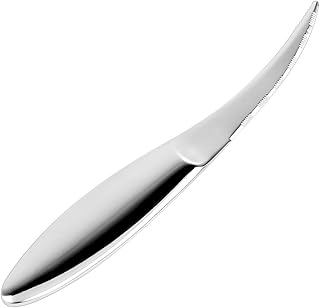
Pro Shrimp Peeler & Deveiner Tool
Prep a pound of shrimp in under 5 minutes. Ergonomic handle, stainless blade, dishwasher safe.
View on Amazon →Marinade Mastery: Building Deep Flavor in 30 Minutes
A marinade for shrimp is not the same as a marinade for chicken or steak. The science is different, the timing is different, and the goals are different. Most importantly: shrimp should never marinate for more than 30–45 minutes in an acidic marinade. Unlike beef, which benefits from hours in an acid-based bath, shrimp proteins begin to denature (essentially “cook”) in acid after about 45 minutes. You’ll end up with mushy, almost ceviche-like texture before the shrimp ever hits the grill.
The Four Pillars of a Great Shrimp Marinade
Every great shrimp marinade for the grill is built on four functional components, each serving a distinct chemical and flavor purpose:
1. Fat (Oil) — The Flavor Carrier
Oil is essential. It coats the shrimp, carries fat-soluble flavor compounds from garlic, herbs, and spices deep into the flesh, and provides the medium for browning on the grill. Without fat, flavors stay on the surface and burn instead of caramelizing. Use a neutral oil for high-heat applications (avocado oil, light olive oil) or extra-virgin olive oil if you’re using moderate heat. Sesame oil works beautifully in Asian-style preparations — use it as a finishing flavor rather than the base.
2. Acid — Brightness and Tenderization
A small amount of acid brightens the flavor profile and helps proteins relax slightly for better texture. Lemon juice, lime juice, rice vinegar, and white wine vinegar are all excellent choices. The key word is small — too much acid in too much time makes rubbery shrimp. A tablespoon or two per pound, for no more than 30 minutes, is the safe zone. If you want a more acidic flavor in the final dish, squeeze fresh citrus over the skewers after grilling rather than marinading longer.
3. Aromatics — The Flavor Foundation
Garlic is the cornerstone of virtually every great shrimp marinade, and for good reason — its sulfur compounds bond aggressively to fat and penetrate shrimp flesh quickly. Fresh minced garlic is superior to powder for marinades. Beyond garlic, shallots, ginger (for Asian profiles), smoked paprika, cumin, and chili flakes are among the most compatible aromatics. For maximum extraction, always bloom aromatics in warm oil first — this releases significantly more flavor compounds than adding them raw to cold oil.
4. Seasoning — Salt and Sugar Balance
Kosher salt draws moisture out of the shrimp briefly, then pulls the flavored marinade back in through osmosis — a process that happens quickly with small proteins. Don’t skip salt. A pinch of sugar or honey also serves a key purpose: it accelerates caramelization on the grill, creating those gorgeous brown spots that deliver flavor. If you’re working with a sweet glaze, be careful — too much sugar at very high heat will burn before the shrimp cook through. Manage your heat zones accordingly.
The Master Classic BBQ Shrimp Marinade
🔥 Classic BBQ Grilled Shrimp Marinade
Ingredients
Method
- Warm olive oil in a small pan over medium-low heat. Add garlic and cook 60 seconds until fragrant but not browned. Remove from heat.
- Combine warm garlic oil with smoked paprika, salt, pepper, cayenne, lemon juice, Worcestershire, and brown sugar. Whisk together.
- Allow to cool to room temperature (5 minutes), then toss with cleaned, deveined shrimp.
- Marinate 20–30 minutes at room temperature, or up to 45 minutes refrigerated. Do not exceed 45 minutes.
- Fold in fresh parsley just before skewering.
Timing Chart: Marinade Windows by Type
| Marinade Type | Min Time | Optimal Time | Max Time | Risk of Over-Marinating |
|---|---|---|---|---|
| Oil-based (no acid) | 15 min | 30–60 min | 2–3 hrs | Low |
| Standard (oil + light acid) | 15 min | 20–30 min | 45 min | Medium |
| High-acid (heavy citrus/vinegar) | 10 min | 15–20 min | 30 min | High |
| Yogurt/dairy-based | 20 min | 30–45 min | 2 hrs | Low |
| Dry rub (no liquid) | 5 min | 15–30 min | Overnight | Very Low |
For those who love experimenting with dry rubs — shrimp is a phenomenal candidate. A well-constructed BBQ rub applied 15 minutes before grilling creates a bark-like coating that delivers incredible concentrated flavor and crispy texture. We’ll cover the best rub combinations in the flavor variations section.

Premium Marinade & Basting Set
Silicone basting brush, marinade injector, and mixing bowls — everything you need for next-level shrimp prep.
View on Amazon →Skewering Techniques That Actually Work
The way you thread shrimp onto a skewer determines how they cook and how they hold. It’s one of the most overlooked aspects of grilled shrimp preparation, yet it fundamentally affects the uniformity of cooking, the ease of flipping, and the final presentation. Terrible skewering means uneven cooking, broken shrimp, and a frustrating experience at the grill.
Wood Skewers vs. Metal Skewers
✅ Metal Skewers
- Reusable — better value over time
- Flat blades prevent shrimp from spinning
- No soaking required
- Conduct heat, helping shrimp cook from inside
- Never burn or break
⚠️ Wood Skewers (Caveats)
- Must soak minimum 30 min (60 min preferred) before use
- Round skewers allow shrimp to rotate/spin
- Can still scorch at the ends even when soaked
- Only one-use per set
- Can split or break under load
The clear winner for serious BBQ cooking is a set of flat, heavy-gauge stainless steel skewers. The flat profile is a game-changer: it grips each shrimp like a lock, preventing that maddening spin that happens with round skewers when you try to flip them. All your shrimp flip at once, perfectly. Check out our guide to the best BBQ tools for our top skewer picks that won’t let you down.
Threading Methods: The Three Techniques
Thread the skewer through the center of the shrimp’s body from tail to head, like threading a needle through the middle of a C-curve. Best for shell-on shrimp where the shell holds everything together.
Thread through the shrimp twice — once near the tail and once near the head — so the shrimp sits flat in a “C” shape against the skewer. This is the professional method: maximum contact with the grill surface and zero rotation.
The Two-Skewer Method for Parties
For large cookouts where you’re handling dozens of skewers and need maximum efficiency, run two parallel flat skewers through a row of 6–8 shrimp. This creates a “raft” of shrimp that flips as one unit in a single motion — no individual juggling, no spinning, perfect uniformity. This is how caterers and competition cooks handle volume efficiently.
Loading the Skewer: Spacing Rules
- Don’t cram: Leave about a ¼-inch gap between each shrimp to allow heat to circulate. Packed shrimp steam each other instead of charring.
- Uniform size: Only skewer same-size shrimp together. Mixed sizes cook at different rates and result in some over and some undercooked.
- Consistent orientation: All shrimp should face the same direction and curve the same way. This isn’t just aesthetic — uniform orientation means uniform heat exposure.
- Don’t overfill: 5–7 shrimp per skewer is ideal. Heavier skewers are harder to maneuver on the grill and risk sagging, especially with metal skewers.
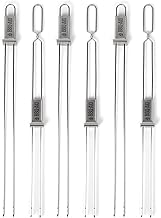
Double-Prong Flat Skewers — The Two-Pierce Method Made Easy
Specifically designed for shrimp: dual flat prongs hold each piece perfectly flat for maximum grill contact and zero spinning.
View on Amazon →Heat Management & Grill Setup
Shrimp require high heat, executed correctly. This is where most home cooks make their critical mistake: either grilling on heat that’s too low (causing slow, steaming, rubbery shrimp) or setting up the grill without a safety zone (causing charred outsides with undercooked centers, or flare-up disasters). Understanding heat zones is the foundation of confident shrimp grilling, and it applies whether you’re on a charcoal grill or a gas burner.
Target Temperature
Your grill surface temperature should be 450°F–550°F (230°C–290°C) for shrimp. This is high direct heat. At this temperature, the Maillard reaction happens in 60–90 seconds per side, the shrimp’s proteins set quickly (preventing overcooking), and the marinade caramelizes beautifully without burning.
Shrimp steam instead of sear, become rubbery, lack char marks.
Good char, well-cooked shrimp. Works for sugar-heavy marinades.
Perfect char in 2 min/side. Juicy interior, caramelized exterior.
Burns outside before inside cooks. Risk of flare-ups with oil-based marinades.
Two-Zone Setup: The Safety Net
Even for a fast-cooking protein like shrimp, always set up a two-zone fire. Direct heat on one side, indirect heat on the other. The indirect zone is your rescue zone — if any skewer starts charring too quickly, you can slide it over immediately without having to remove it from the grill entirely. It also gives you a staging area to keep cooked batches warm while you finish subsequent ones.
Understanding the difference between direct and indirect grilling methods is fundamental to managing a grill with confidence, especially when cooking proteins with different timing requirements at the same cookout.
Grill Setup by Type
Charcoal Grill Setup
Use a chimney starter to get your charcoal properly lit — never use lighter fluid with shrimp, as the chemical taste can penetrate this delicate protein. Once coals are fully ashed over (about 15 minutes), push them all to one side of the grill for your two-zone setup. The coal side is your sear zone. For a charcoal grill, adjust the bottom vents to about 75% open to maintain high heat. Keep lid off during shrimp cooking — the short cook time doesn’t benefit from indirect convection. Understanding charcoal temperature control is a skill that pays dividends across all your grilling.
Gas Grill Setup
Preheat all burners on high for 10–15 minutes with the lid closed. Then turn one burner (typically the far burner) off to create your indirect zone. This preheat is non-negotiable — a gas grill that hasn’t reached temperature will cause shrimp to stick and steam. Clean and oil your grates just before cooking. If you’re having issues with flare-ups on a gas grill, the oil-in-marinade is often the culprit — let excess marinade drip off before placing shrimp on the grate.
Pellet Grill Setup
Set your pellet grill to 450–500°F. Most modern pellet grills like the Traeger Pro 575 or Camp Chef Woodwind will reach these temps with their flame broiler or sear zone activated. Use the sear grate or direct flame mode for best char results. The bonus with pellet grills is the subtle wood smoke flavor that infuses the shrimp during the brief cook time.
Grill Grate Preparation
Nothing ruins a perfectly marinated shrimp like having it stick to the grate and tear apart when you try to flip it. Proper grate preparation is mandatory:
- Preheat first: Never add shrimp to a cold or warm grate. High heat releases food from metal through steam pressure.
- Scrub clean: Use a quality grill brush to scrub off any residue from previous cooks. Carbon buildup is a major sticking culprit.
- Oil the grates: Fold a paper towel, dip in high-smoke-point oil (avocado, grapeseed), and using long tongs, wipe the grate surface 2–3 times. This creates a non-stick surface.
- Test readiness: A properly prepared grate at 500°F will release a drop of water in an explosive sizzle almost instantly. If water just sits there and evaporates slowly, the grill isn’t ready.

Infrared Grill Surface Thermometer
Instantly measure grate temperature without contact. Know exactly when your grill is at the 500°F sweet spot for shrimp. No more guesswork.
View on Amazon →Step-by-Step BBQ Grilled Shrimp Skewer Guide
Here is the complete, step-by-step process for grilling shrimp skewers that are consistently juicy, properly charred, and perfectly cooked. Follow each step in sequence, and pay special attention to timing — this is where the difference between excellent and disappointing shrimp lives.
Thaw shrimp if frozen by placing in a bowl of cold water for 15–20 minutes. Peel (if desired), devein, and rinse under cold water. Now the critical step most cooks skip: thoroughly pat every shrimp dry with paper towels. Surface moisture is the enemy of char. Wet shrimp will steam instead of sear, and steam prevents the Maillard browning reaction that creates flavor and char marks.
Toss dry shrimp in marinade using a zip-lock bag or glass bowl. Massage gently to ensure all surfaces are coated. Allow to marinate at room temperature for 20–30 minutes (never longer than 45 minutes for acid-based marinades). If marinating refrigerated, remove the shrimp 10 minutes before grilling to bring them closer to room temperature — cold shrimp hitting a hot grill causes uneven cooking.
Remove shrimp from marinade, letting excess drip off (excess marinade = flare-ups). Thread using the double-pierce C-curl method described in the skewering section. Load 5–7 uniformly-sized shrimp per skewer, leaving small gaps between each. Do not stack or crowd.
Place loaded skewers on the direct heat zone. Do not touch, lift, or move them for the first 90 seconds to 2 minutes. This is the hardest discipline in shrimp grilling. Premature lifting tears the shrimp and removes the forming crust. Let the grill do the work. You’ll know shrimp are ready to flip when they release from the grate naturally — if they resist, they need 20–30 more seconds.
After 90 seconds to 2 minutes, use long tongs to flip all skewers simultaneously. Cook the second side for 60–90 seconds. Total cook time for jumbo shrimp at 500°F is 3–4 minutes. The shrimp are done when they form a “C” shape (not a tight “O” — that’s overcooked), are opaque throughout, and register 120–130°F internal temperature on an instant-read thermometer.
Remove skewers from heat the moment shrimp are done. Rest for 60 seconds — no more. Unlike a steak that needs several minutes of resting, shrimp’s small size means they cool quickly and the window for serving at optimal temperature is short. If using a finishing glaze (butter-based sauces, honey sauces), brush it on during the last 60 seconds of cooking on the second side or immediately after removal. Serve with your chosen dipping sauce, squeeze of fresh citrus, and a flourish of fresh herbs.

Instant-Read Meat Thermometer — Critical for Shrimp
Hits 120°F exactly? That’s your pull temperature. This 2-second read thermometer removes all guesswork from shrimp timing.
View on Amazon →10 Best Flavor Variations & Rub Profiles
The greatest strength of grilled shrimp is flavor versatility. The same base protein can pivot from Louisiana bayou boldness to Japanese street food elegance to Mediterranean herb brightness — all in the space of 30 minutes. Here are ten distinct, fully-developed flavor profiles, each with a complete ingredient list and character description.
Classic BBQ Smoke
Smoked paprika, garlic, brown sugar, Worcestershire, cayenne. Deep, Southern-style backbone.
Lemon Garlic Herb
EVOO, lemon zest, fresh garlic, thyme, parsley, white wine. Clean, bright, bistro-style.
Chili Lime (Tajin-Style)
Tajin, lime juice, honey, ancho chili, cumin, cilantro. Street-food heat and citrus.
Butter Garlic Parmesan
Browned butter, roasted garlic, Parmesan, Italian herbs. Rich, indulgent finish.
Teriyaki Sesame
Soy, mirin, ginger, sesame oil, honey, scallions. Umami-forward Japanese style.
Coconut Curry
Coconut milk, curry powder, turmeric, ginger, lime. Warm tropical complexity.
Old Bay Butter
Old Bay seasoning, melted butter, lemon. Classic Maryland coastal tradition.
Mediterranean Herb
Za’atar, preserved lemon, EVOO, oregano, sumac. Bright, complex Middle Eastern notes.
Satay Peanut
Peanut butter, soy, ginger, chili, lime. Southeast Asian satay character.
Honey Sriracha
Honey, sriracha, soy, lime, sesame. Sweet-heat balance with a glossy glaze finish.
Complete Recipe: Chili Lime BBQ Shrimp Skewers
🌶️ Chili Lime Grilled Shrimp Skewers
Ingredients
Instructions
- Pat shrimp completely dry. Combine all marinade ingredients except cilantro.
- Toss shrimp in marinade, marinate 20 minutes at room temperature.
- Preheat grill to 500°F and prepare two-zone setup. Oil grates.
- Thread shrimp using double-pierce C-curl method, 6 per skewer.
- Grill on direct heat 90 seconds per side, flipping once. Total 3–3.5 minutes.
- Remove when C-shaped and opaque throughout. Rest 60 seconds.
- Finish with fresh cilantro and lime juice. Serve immediately.
Best BBQ Rubs for Dry-Rubbed Shrimp Skewers
Dry-rubbed shrimp skewers are an underappreciated technique that delivers incredible bark-like texture and concentrated flavor. The key is applying the rub 15–20 minutes before grilling to allow it to bond to the surface without drawing out too much moisture. Here are the best dry rub combinations:
| Rub Profile | Key Ingredients | Flavor Character | Best Paired With |
|---|---|---|---|
| Classic BBQ | Brown sugar, paprika, garlic, onion, cayenne, black pepper | Sweet, smoky, bold | Corn on the cob, coleslaw |
| Cajun Fire | Cayenne, thyme, oregano, paprika, garlic, white pepper | Spicy, herbaceous, deep | Dirty rice, andouille |
| Old Bay+ | Old Bay, lemon zest, garlic powder, butter-brushed | Coastal, savory, bright | Corn, drawn butter |
| Za’atar | Za’atar, sumac, cumin, coriander, sea salt | Earthy, tangy, herbal | Pita, tzatziki, tabbouleh |
| Korean Gochugaru | Gochugaru, sesame, garlic, sugar, ginger | Fermented heat, sweet | Kimchi fried rice, scallions |

Premium BBQ Rub Variety Pack
6 distinct flavor profiles specifically formulated for seafood and shrimp. All-natural, no MSG, no fillers.
View on Amazon →Sauces, Dips & Glazes That Elevate Everything
The sauce or dip that accompanies grilled shrimp skewers is the finishing note that ties the entire dish together. It should complement the marinade profile without competing with it, add moisture and richness to balance the char and smoke, and provide a textural contrast to the bite of the shrimp. Here are the ten best options, organized by flavor profile.
Finishing Glazes (Applied on Grill)
Unlike dipping sauces, finishing glazes are brushed directly onto shrimp in the final 60–90 seconds of cooking. They caramelize on the grill surface, creating a lacquer-like coating. The key rule: glazes with sugar must go on during the last minute only — earlier application results in burning.
| Glaze | Key Ingredients | Application | Result |
|---|---|---|---|
| Honey Butter | Butter, honey, garlic, lemon zest | Last 60 sec | Rich, glossy, golden |
| Teriyaki Reduction | Soy, mirin, sake, sugar (reduced) | Last 45–60 sec | Dark, lacquered, umami |
| Gochujang Honey | Gochujang, honey, soy, sesame | Last 60 sec | Spicy-sweet, deep red |
| Brown Butter Herb | Browned butter, thyme, garlic | Post-grill brush | Nutty, aromatic, French-style |
Dipping Sauces (Served Alongside)
Dipping sauces give guests agency and create an interactive dining experience. Set up 2–3 options and let people mix and match with their preferences. These are the crowd favorites:
Avocado Crema
Blended avocado, lime, cilantro, jalapeño, Greek yogurt. Cooling counterpoint to spicy rubs.
Chipotle Aioli
Mayo, chipotles in adobo, lime, garlic. Smoky, creamy, versatile with any flavor profile.
Sweet Chili
Bottled sweet chili sauce enhanced with fresh ginger, lime juice, fish sauce. Simple, crowd-pleasing.
Garlic Tahini
Tahini, roasted garlic, lemon, za’atar, water. Pairs beautifully with Mediterranean rubs.
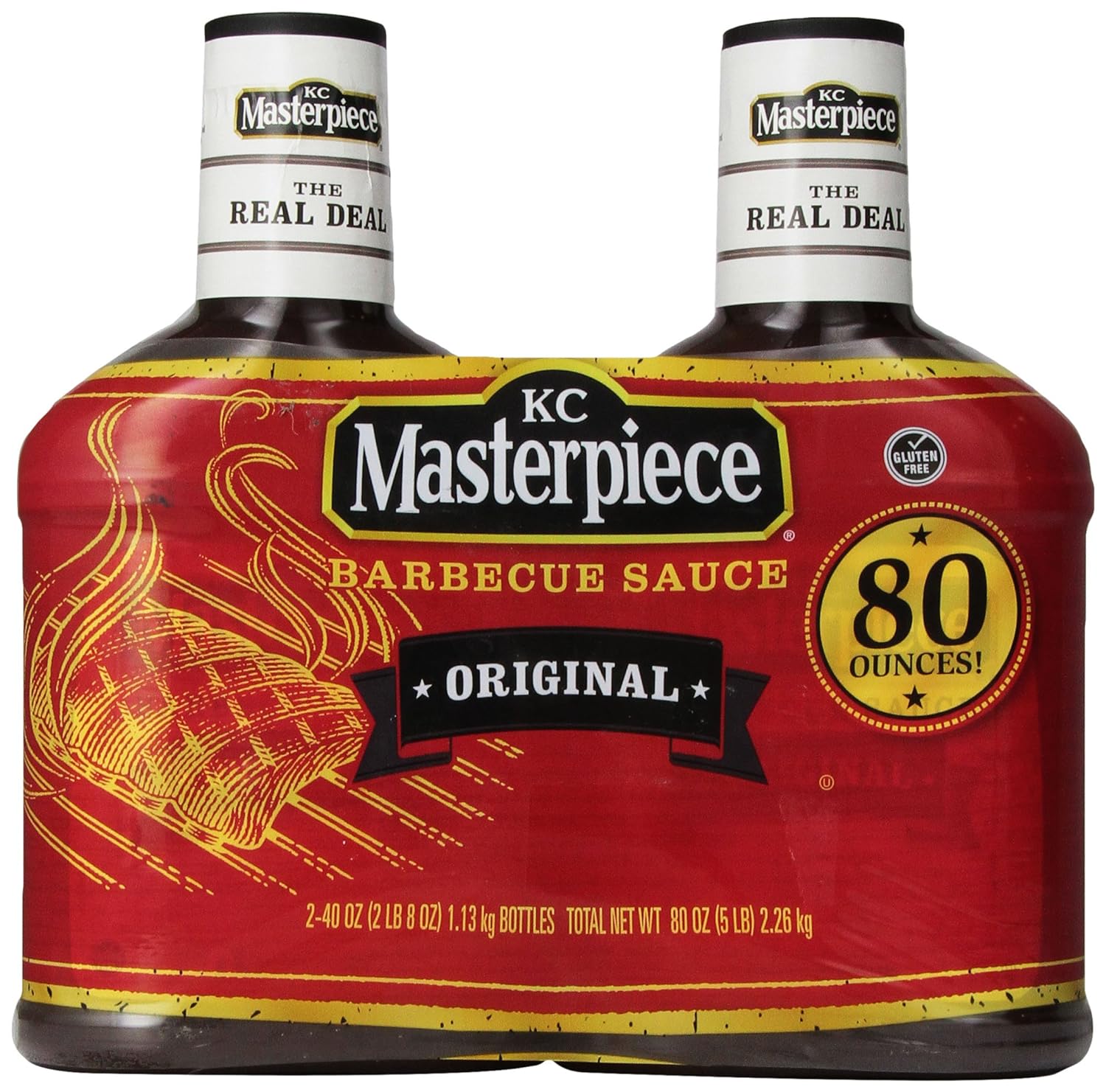
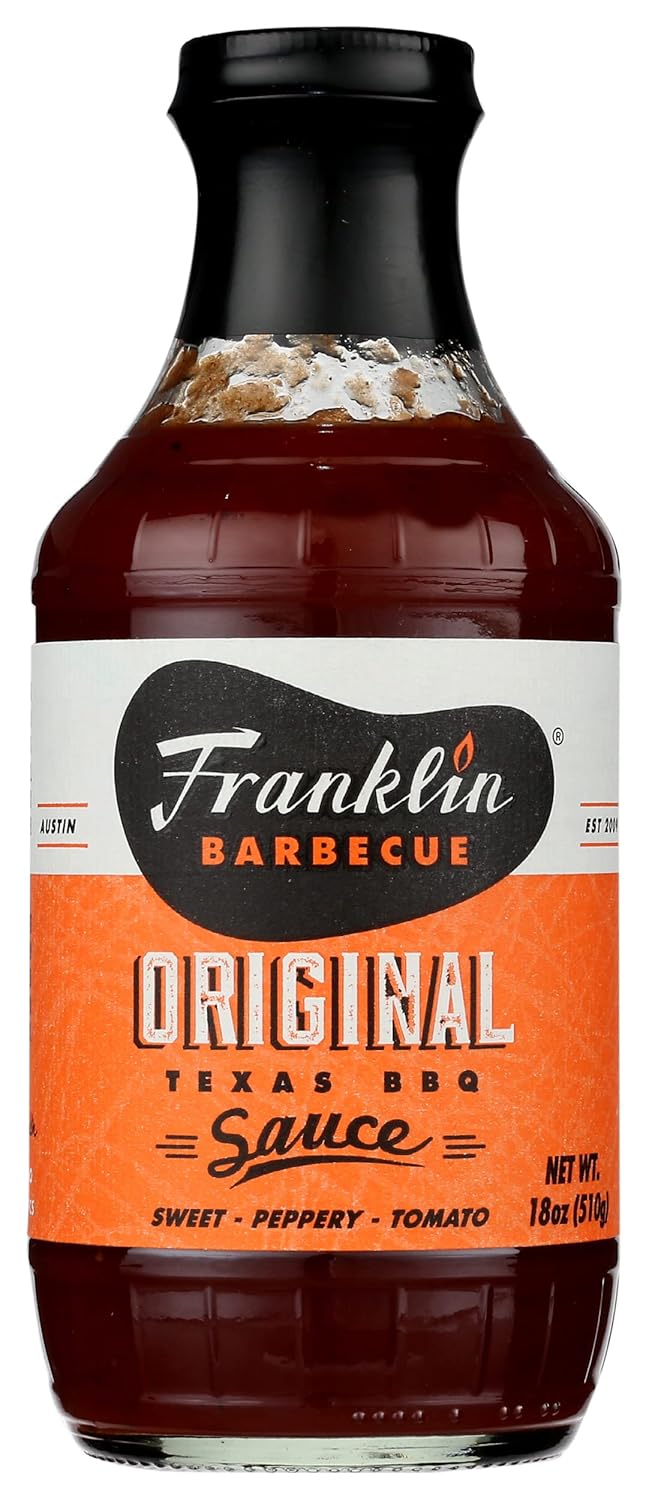
Don’t underestimate the power of choosing the right BBQ sauce to serve alongside your shrimp. A vinegar-based Carolina-style sauce cuts through the richness of butter-basted shrimp in a way that’s deeply satisfying. A thicker Kansas City-style sauce works best as a dipping option for simpler, classic-seasoned skewers.
Quick 5-Minute Garlic Butter Sauce Recipe
🧄 5-Minute Brown Butter Garlic Sauce
In a small saucepan over medium heat, melt 4 tbsp unsalted butter, swirling constantly until it turns golden brown and smells nutty (about 3 minutes). Remove from heat immediately. Add 4 cloves minced garlic (the residual heat will bloom the garlic without burning it), juice of half a lemon, 1 tsp fresh thyme leaves, ½ tsp sea salt, and a pinch of red pepper flakes. Stir and serve immediately over skewers or as a dipping sauce on the side. The browning of the butter adds an incomparable nutty depth that elevates even the simplest shrimp preparation.

Artisan BBQ Sauce Sampler — Perfect for Shrimp Nights
Six small-batch sauces including honey garlic, chipotle, and mango habanero. Let guests pick their perfect pairing.
View on Amazon →Best Sides & Pairings for Shrimp Skewers
Grilled shrimp skewers are a versatile main that pairs naturally with a wide range of sides, from hearty grains and grilled vegetables to fresh salads and crusty bread. The key to building a complete plate is balancing the shrimp’s char and richness with complementary textures and flavors — typically something starchy, something acidic, and something fresh.
Grilled Sides (Cook Together)
One of the most efficient strategies for a shrimp skewer dinner is to grill your sides alongside the shrimp. Since shrimp cook so quickly, you can have the sides go on first and finish together. Try BBQ grilled corn on the cob — it takes about 12–15 minutes on medium-high heat, so you can throw it on while the grill preheats, then add shrimp in the final 6 minutes. Similarly, grilling vegetables like asparagus, zucchini, peppers, and red onions creates a full meal with barely any extra effort.
| Side Dish | Prep Time | Flavor Match | Best For |
|---|---|---|---|
| Grilled Corn on the Cob | 12–15 min | All profiles | Classic BBQ, summer cookouts |
| Cilantro Lime Rice | 20 min | Chili lime, Teriyaki | Seated dinners, meal prep |
| Grilled Asparagus | 5–7 min | Lemon garlic, herb profiles | Elegant plating |
| Garlic Bread | 5 min | Classic BBQ, butter garlic | Casual, family-style |
| Mango Avocado Salad | 10 min | Chili lime, Coconut curry | Tropical themes, summer |
| Orzo Pasta Salad | 15 min | Mediterranean, herb profiles | Large groups, make-ahead |
| Steamed Jasmine Rice | 15 min | Teriyaki, Satay, Korean | Asian-style dinners |
| Greek Salad | 8 min | Mediterranean, lemon garlic | Light, fresh pairings |
Beverage Pairings
Grilled shrimp’s char, spice, and citrus notes create interesting beverage pairings. Here’s what works best by flavor profile:
- Lemon Garlic Herb: Crisp white wine (Albariño, Vermentino), sparkling water with citrus
- Chili Lime: Margarita (obviously), cerveza with lime, agua fresca
- Classic BBQ: Craft lager, wheat beer, sweet tea
- Teriyaki/Asian: Japanese lager (Sapporo, Asahi), sake, ginger beer
- Mediterranean: Rosé wine, Greek white (Assyrtiko), sparkling mineral water
- Cajun/Spicy: Cold lager, dairy-based drink (lassi or milk), sweet cocktails to counteract heat
The Ultimate Shrimp Skewer Feast Menu
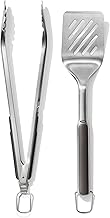
Complete BBQ Tool Set — For the Full Feast
Long-handle tongs, spatula, basting brush, fork and corn holders. Everything to run a full outdoor feast efficiently.
View on Amazon →Troubleshooting: Fixing the 8 Most Common Mistakes
Even experienced grill cooks make mistakes with shrimp. The margins are tighter than with most proteins, and small errors compound quickly. Here’s a complete diagnostic guide for the eight most common shrimp grilling problems, with specific causes and immediate fixes.
| Problem | Likely Cause(s) | Fix |
|---|---|---|
| Rubbery, tough shrimp | Overcooked (most common), or over-marinated in acid | Pull at C-shape, not O-shape. Use thermometer — 120–130°F max. Limit acid marinade to 30 min. |
| Shrimp sticking to grate | Cold grate, dirty grate, insufficient oil, flipping too early | Preheat to 500°F minimum. Scrub and oil grates. Don’t flip until shrimp releases naturally. |
| No char marks | Grill not hot enough, shrimp too wet, overcrowded skewer | Pat shrimp bone-dry. Preheat fully. Leave gaps between shrimp on skewer. |
| Burnt outside, raw inside | Grill too hot (600°F+), or too much sugar in marinade | Lower to 475–500°F. Reduce sugar in marinade or move to indirect heat to finish. |
| Shrimp spinning on skewer | Round skewers, single-pierce threading | Use flat metal skewers. Use double-pierce C-curl threading method. |
| Marinade burning before shrimp cooks | Too much sugar, too high heat, excess marinade left on | Let excess marinade drip off before grilling. Use indirect heat to finish sugar-heavy skewers. |
| Flare-ups | Excess oil dripping onto coals/burners | Let excess marinade drip off. Have spray bottle of water ready. Use two-zone setup to manage. See our flare-up prevention guide. |
| Watery, flavorless shrimp | Didn’t dry shrimp, marinade too diluted, low heat | Always pat dry. Concentrate marinade flavors. Grill on high heat for proper searing. |
The “Rescue” Protocol: Shrimp Slightly Overcooked
If your shrimp are just slightly past the perfect window — a bit firmer than ideal but not fully rubbery — a rescue sauce can save them. Immediately toss overcooked shrimp in warm browned butter with lemon, garlic, and a splash of white wine or clam juice. The fat coats each piece and adds back moisture, while the acid and aromatics redirect the palate’s attention. This is a genuine technique, not just damage control. It won’t transform badly overcooked shrimp, but it works remarkably well for the borderline cases.

Heavy-Duty Grill Brush & Grate Scraper
Keep your grates perfectly clean for maximum release and char. Stainless steel bristles, ergonomic handle, scraper edge for burnt-on residue.
View on Amazon →Nutrition & Health Notes
Grilled shrimp is genuinely one of the healthiest proteins you can put on a grill. It’s high in protein, very low in fat and calories, rich in iodine, and packed with a range of micronutrients. But the marinade, oil, and sauces you choose can significantly alter the nutritional profile of your final dish. Here’s a clear-eyed look at the nutritional landscape.
Nutritional Profile: Plain Grilled Shrimp (per 100g)
| Nutrient | Amount | % Daily Value | Notes |
|---|---|---|---|
| Calories | 84 kcal | 4% | One of lowest-calorie proteins |
| Protein | 20.1 g | 40% | Complete protein with all essential amino acids |
| Fat | 0.9 g | 1.4% | Extremely low; increases with marinade oil |
| Cholesterol | 152 mg | 51% | High; but dietary cholesterol impact is complex — see notes |
| Sodium | 111 mg | 5% | Increases significantly with soy-based marinades |
| Iodine | 35 mcg | 23% | Excellent source — supports thyroid health |
| Selenium | 32 mcg | 58% | Outstanding antioxidant mineral |
| Omega-3 | 0.3 g | — | Modest but present; lower than fatty fish |
Understanding Shrimp and Cholesterol
Shrimp are high in dietary cholesterol, which historically caused concern. However, current nutritional science has substantially revised our understanding of dietary cholesterol’s impact on blood cholesterol levels in most people. The main dietary factors associated with elevated cardiovascular risk are trans fats and excessive saturated fats — not dietary cholesterol itself for most individuals. Consult your physician if you have specific cholesterol concerns.
What significantly improves the health profile of your shrimp skewers is the cooking method itself. Grilling, unlike frying or sautéing in heavy butter, adds virtually no fat to the protein. The grill also renders out the small amount of naturally occurring fat in the shrimp. Understanding the health considerations of different grilling methods can help you make informed choices, especially around cooking at very high temperatures.
Comparison: Cooking Methods and Calories (per 6 jumbo shrimp)
| Preparation | Calories | Fat (g) | Notes |
|---|---|---|---|
| Plain grilled | ~75 kcal | 0.9 | Leanest option |
| Oil/herb marinade grilled | ~115–130 kcal | 5–7 | Most common BBQ prep — still healthy |
| Butter-basted grilled | ~165 kcal | 10–12 | Richer but manageable in portions |
| Fried (battered) | ~220–280 kcal | 14–18 | Highest calorie, lowest nutrient density |

Premium Avocado Oil — Best for High-Heat Grilling
510°F smoke point. Mild flavor that won’t mask your marinade. Heart-healthy oleic acid profile. The best choice for shrimp marinades.
View on Amazon →Best Tools & Equipment for Perfect Shrimp Skewers
You don’t need an elaborate setup to grill excellent shrimp skewers. But the right tools make the job easier, safer, and more consistent. Here’s a tiered breakdown of what’s essential, what’s helpful, and what’s a genuine luxury upgrade.
Essential Tools
| Tool | Why Essential | What to Look For |
|---|---|---|
| Flat Metal Skewers | Prevents shrimp from rotating during flip | Stainless steel, flat blade profile, 12″+ length |
| Long-Handle Tongs (12″–16″) | Safe skewer handling at high grill temps | Stainless steel tips, locking mechanism, good grip |
| Instant-Read Thermometer | Eliminates guesswork on doneness | 2-second read, waterproof, accurate to ±1°F |
| Grill Brush/Scraper | Clean grates = no sticking | Stainless bristles or coil design, long handle |
| Basting Brush | Applying finishing glazes accurately | Silicone head, long handle, dishwasher safe |
Recommended Grills for Shrimp Skewers
Any grill that reaches 450°F+ will cook excellent shrimp skewers. But certain grill types offer distinct advantages:
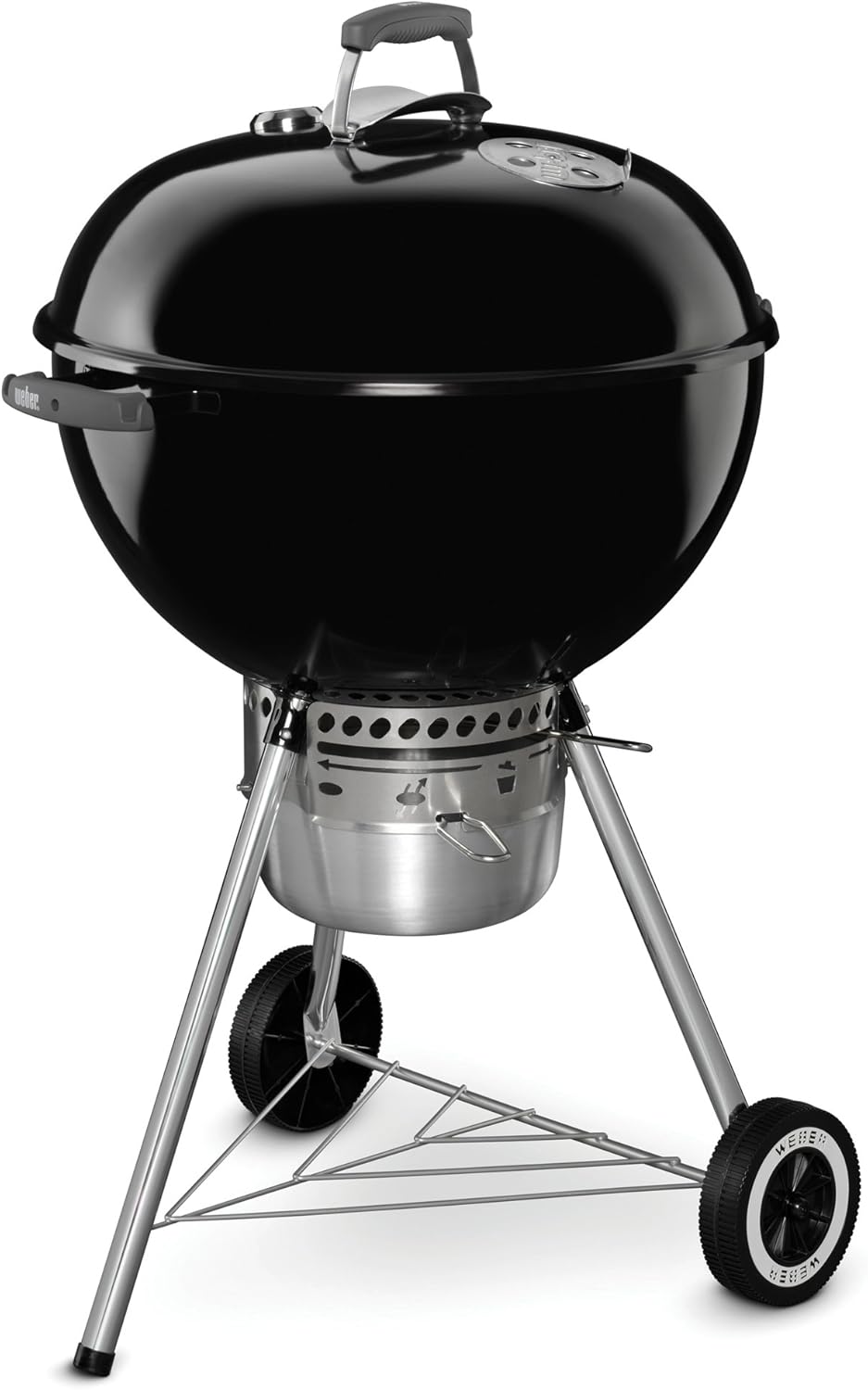
Charcoal kettle grills (like the Weber 22″ charcoal) offer direct high heat and some ambient smoke — an unbeatable combination for flavor. The two-zone setup is easy to achieve and the grates get screaming hot.
Gas grills offer precise temperature control and convenience — ideal for weeknight shrimp skewers when you don’t want to wait for charcoal to light. The Weber Spirit II E-310 is a top choice for efficient high-heat grilling. For a premium experience, the Napoleon Prestige 500 delivers exceptional searing capability.
Pellet grills add a subtle wood smoke character to shrimp that elevates any flavor profile. Activate the sear function or flame broiler on models like the Traeger Pro 575 for proper char marks. Without the sear function, pellet grills may not reach temperatures high enough for optimal shrimp.
Kamado grills (like the Kamado Joe Classic II or Big Green Egg Large) hold heat with extraordinary consistency and can be set up for screaming-hot direct searing. Their ceramic construction imparts virtually no flavor contamination — you get pure shrimp and marinade character.
The Grill Accessory Worth Having: A Shrimp Basket
For very large batches, a flat grill basket designed for seafood and small items is a legitimate upgrade over individual skewers. It holds 20–30 shrimp at once, flips all of them in one motion, and allows easy transfer to a serving platter. The tradeoff: less individual char on each piece (more of a collective sear), but the convenience trade-off is real for large cookouts. Check our guides to must-have BBQ accessories for top-rated basket models.
Grill Maintenance: The Foundation of Great Results
A well-maintained grill is the silent enabler of consistently great shrimp. Dirty grates are the number-one cause of sticking. Clogged burners cause uneven heat. Worn ignitors cause delayed starts. Our comprehensive guide to barbecue maintenance essentials covers everything you need to keep your grill performing at its peak. Specifically for grate care, our deep-dive on how to clean BBQ grates covers every method from basic brushing to full restoration of cast iron grates.

Premium BBQ Accessory Set — Everything for Shrimp Night
Flat skewers, long tongs, thermometer, basting brush, grill brush — the complete kit. No more improvising. One purchase, every cook covered.
View on Amazon →Frequently Asked Questions
Conclusion: Your Path to Perfect Shrimp Every Time
BBQ grilled shrimp skewers are one of those rare dishes where mastery pays immediate, tangible dividends every single time you cook them. There’s no waiting for a brisket to finish its 12-hour smoke, no anxiety about whether a whole chicken is cooked through, no multi-day brining and drying process. Just thoughtful prep, the right heat, disciplined timing, and 8 minutes at the grill.
The principles we’ve covered in this guide are not complex, but they are precise. Buy jumbo or larger shrimp and pat them bone dry. Build a marinade with fat, a measured amount of acid, and bold aromatics — and respect the 30-minute window. Thread with flat metal skewers using the double-pierce C-curl method. Grill on a 500°F two-zone setup. Flip once. Pull at C-shape. Finish with a glaze or bright citrus. Rest 60 seconds. Serve immediately.
Follow that sequence and you’ll consistently produce shrimp that outperform most restaurant versions — juicy, properly charred, flavor-packed, and visually beautiful. Whether you’re feeding two people on a weeknight or running a cookout for 20, the same fundamentals apply at every scale.
Now go build that fire. Your guests are hungry, and the grill is waiting.
🔥 Ready to Upgrade Your BBQ Setup?
Explore our in-depth reviews and comparisons of the best grills, smokers, tools, and accessories to make every cookout exceptional.
Explore BBQ Gear Reviews →