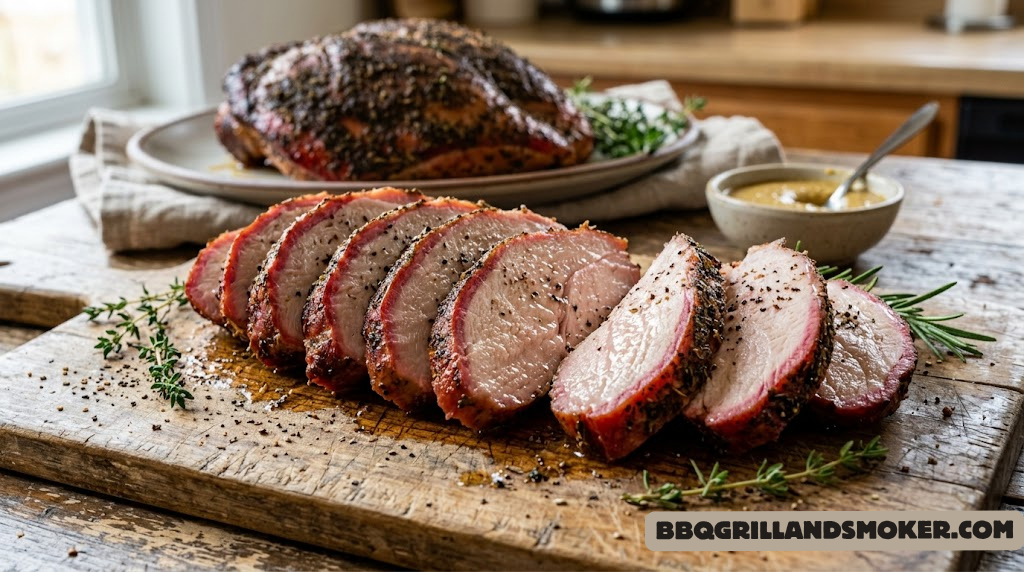
A perfectly smoked turkey breast: mahogany bark outside, rose-tinged smoke ring, and impossibly juicy meat inside.
There are meals you cook to survive, and then there are meals that make people go quiet at the table — the kind where forks stop, eyes close for just a second, and someone inevitably says, “What did you do differently?” Smoked turkey breast is that meal. It’s not the flashiest protein in the smoker lineup, but done right, it might be the most rewarding. The skin crackles like lacquered mahogany. The meat slices clean and juicy, blushed faintly with a smoke ring that took real patience to earn. And the flavor — that deep, woodsy, savory-sweet depth — it’s the kind of thing that makes whole-bird grocery store turkey taste like an entirely different animal.
This guide is your complete, no-compromises roadmap to smoking a turkey breast that will genuinely stop conversation. We’re covering everything: why a bone-in split breast smokes better than a boneless roll, the science behind wet versus dry brining, how to build a spice rub that penetrates and crusts, which wood species pair best with poultry’s delicate proteins, how to manage your smoker’s temperature through a full cook without babysitting it every twenty minutes, and the internal temperature checkpoints that separate a masterpiece from a disaster. Whether you’re working a pellet smoker, an offset, a kettle, or a cabinet electric, this recipe adapts to your setup and your skill level.
Ready to produce the best turkey you’ve ever eaten? Let’s build the fire.
Why Smoke a Turkey Breast Instead of Roasting It?
If you grew up with roasted turkey, this is a fair question. Roasting is fast, reliable, and delivers that classic Thanksgiving aroma. But smoking adds an entirely different dimension that roasting simply cannot replicate, and once you understand why, you’ll wonder why anyone bothers with the oven for a serious holiday centerpiece.
The Science Behind Low-and-Slow Smoking
Turkey breast is a lean, delicate cut. Its primary challenge is that white breast meat proteins seize and expel moisture rapidly above 165–170°F. At conventional oven temperatures (350–425°F), the surface overcooks while the center struggles to reach a safe internal temperature, creating a narrow window for success. Smoke cooking at 225–250°F solves this by dramatically slowing the cooking rate. The protein fibers have time to denature gently rather than contract violently, retaining far more of the bird’s natural juices.
Meanwhile, the exposure to combustion smoke — specifically the gases phenol, guaiacol, syringol, and their relatives — deposits flavor compounds directly into the meat’s outer layers. These compounds aren’t just flavor; they’re also mild antimicrobials that help form the bark and contribute to that distinctive smoke ring just beneath the surface. Understanding how a smoke ring forms is one of the most satisfying pieces of barbecue science you can learn.
Turkey Breast vs. Whole Turkey: The Practical Argument
Smoking a whole turkey is certainly achievable and impressively dramatic, but it comes with real challenges. The breast and the dark meat cook at different rates — thighs and drumsticks want 175–180°F for full collagen breakdown, while the breast is best pulled at 160–165°F (carry-over heat brings it to 165°F during rest). Getting both right simultaneously in a smoker requires either spatchcocking the bird or accepting some compromise.
Turkey breast sidesteps all of that complexity. It’s a single uniform muscle that cooks predictably, fits into smaller smokers, finishes in 3–4 hours instead of 6–8, and produces consistent slices with excellent presentation. For weeknight smoking adventures or when you’re cooking for a smaller group, a 5–7 lb bone-in split breast is the sweet spot between effort and reward. You can read more about the full bird approach in our comprehensive guide on how to barbecue a whole turkey.
- Dramatically more flavorful than oven-roasted
- Shorter cook time than whole bird (3–4 hrs)
- Easier temperature management
- Produces a beautiful smoke ring and dark bark
- Works in any smoker type
- Juicier with proper brining technique
- Excellent cold for sandwiches next day
- Requires advanced planning (brine time)
- Weather affects cook time and temp
- Lean meat punishes temperature mistakes
- Needs a thermometer (guessing is risky)
- Skin crisping requires extra technique

Traeger Pro 575 — The Ideal Pellet Smoker for This Recipe
Set-and-forget temperature control, 575 sq in of cooking space, and WiFIRE app connectivity make this one of the best options for foolproof smoked turkey breast.
🛒 Check Price on AmazonEquipment You’ll Need for the Perfect Smoked Turkey Breast
The best recipe in the world can’t compensate for the wrong tools. Before you purchase your bird or mix your brine, take stock of your setup. You don’t need the most expensive gear — but you do need gear that’s up to the task. Here’s the breakdown of what matters and why.
Choosing Your Smoker
The good news is that virtually any smoker type will produce excellent results with this recipe. Each has its own personality, and matching the technique to the equipment is the key to success. Whether you’re comparing pellet vs. electric smoker performance or deciding between an offset and a pellet unit, here’s how each handles turkey breast:
| Smoker Type | Temp Control | Smoke Flavor | Ease of Use | Best For |
|---|---|---|---|---|
| Pellet Grill | ✓ Excellent | Mild–Medium | ✓ Easy | Beginners & convenience |
| Offset Smoker | Manual | ✓ Bold | Advanced | Traditional BBQ flavor |
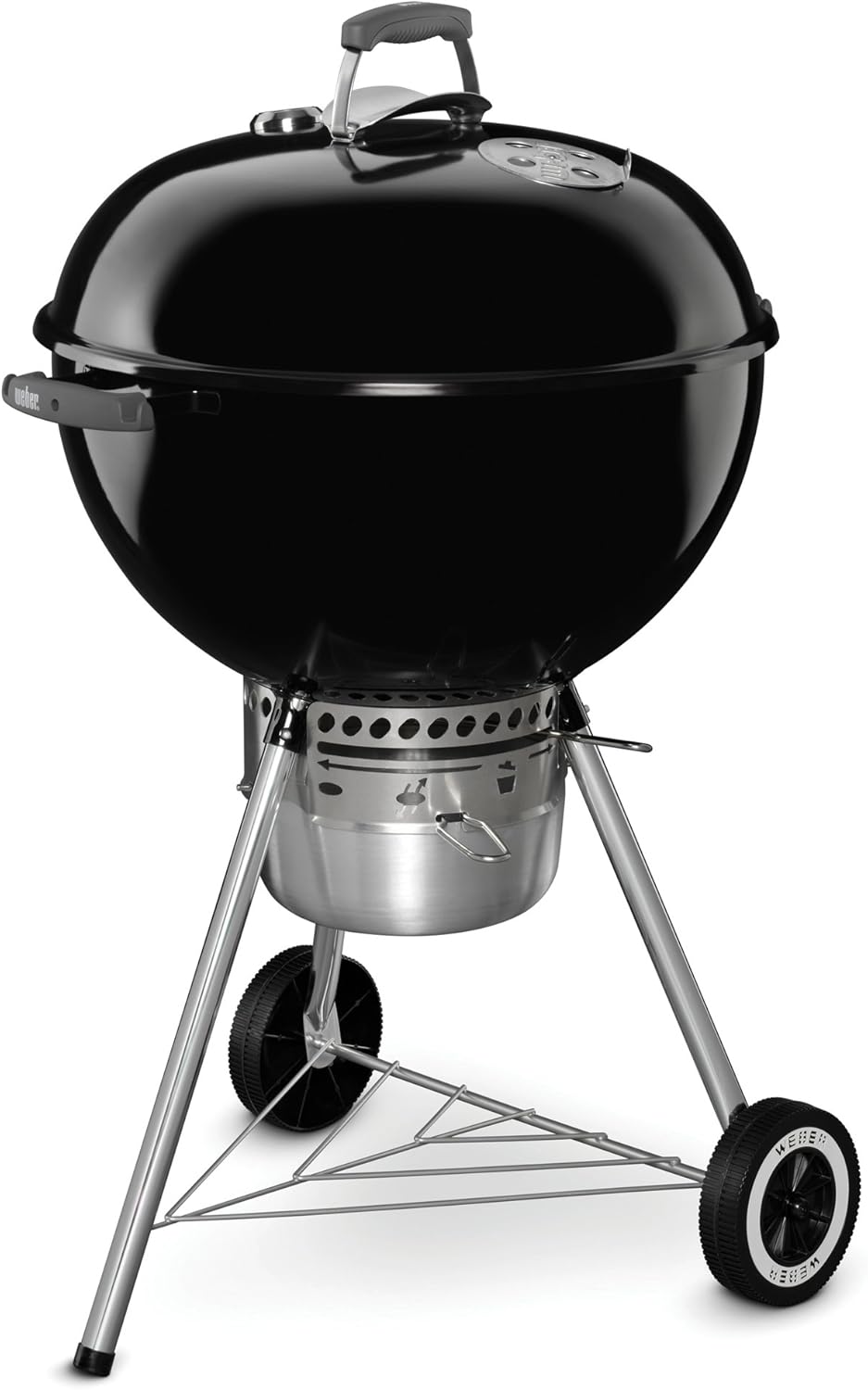
| Kettle Grill | Manual vents | Medium–Bold | Moderate | Versatility & budget |
| Cabinet Electric | ✓ Excellent | Mild | ✓ Easy | Apartment/urban smokers |
| Kamado | Excellent | Medium | Moderate | Heat retention & flavor |
If you’re in the market for a new setup, our in-depth guides on the best barbecue smokers and our smoker guide for beginners will point you toward the right choice for your budget and skill level. For those wanting to understand the tradeoffs more deeply, the comparison between offset and pellet smokers is well worth reading before you invest.
Non-Negotiable: A Quality Instant-Read Thermometer
If there’s one piece of equipment that stands between a dried-out catastrophe and a juicy masterpiece, it’s a reliable digital meat thermometer. Turkey breast is lean — there is essentially zero fat marbling to protect the meat from overcooking. Going even 10°F beyond your target internal temperature will result in noticeably drier slices. An instant-read thermometer like the ThermoWorks Thermapen or Meater wireless probe gives you real-time data to pull the meat at precisely the right moment.
Supporting Gear Checklist
- Large brining bag or container: 2-gallon zip bag or food-safe container for wet brine
- Meat injector (optional): Dramatically improves moisture on boneless breasts
- Wire rack + sheet pan: For air-drying the skin before smoking
- Aluminum drip pan: Placed under the turkey for easy cleanup and moisture control
- Sharp boning or slicing knife: Critical for clean presentation slices
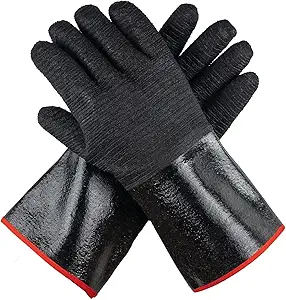
- Heat-resistant gloves: Essential for repositioning during a long cook
- Cutting board with juice groove: Captures all those precious drippings
Investing in quality barbecue tools will pay dividends across every cook for years. For a complete rundown of what serious pit masters keep on hand, check out our guide on must-have BBQ accessories.

ThermoWorks Thermapen ONE — 1-Second Instant Read
Industry standard among competition pitmasters. Accurate to ±0.5°F and reads in under 1 second. The single most important tool for smoked turkey success.
🛒 Check Price on AmazonChoosing the Right Turkey Breast: Bone-In, Boneless & Size Considerations
Not all turkey breasts are created equal, and the choice you make at the butcher counter will fundamentally affect your final result. Let’s break down your options with total honesty about what each delivers in the smoker.
Bone-In Split Turkey Breast: The Pit Master’s Choice
A bone-in split breast (one side of the breast, typically 4–7 lbs) is unambiguously the best option for smoking. Here’s why: the bone acts as an internal heat conductor during the early stages of the cook, distributing warmth more evenly through the thickest part of the meat. More importantly, the rib bones and attached cartilage are rich in collagen and fat that render slowly during the cook, basting the surrounding meat from the inside. The result is noticeably juicier, more flavorful meat compared to boneless equivalents.
Bone-In Whole Turkey Breast
A bone-in whole breast (both lobes, typically 8–12 lbs) is a dramatic centerpiece — perfect for Thanksgiving or a gathering of 8–12 people. It smokes beautifully and carves impressively, but you’ll need a spacious smoker and a cook time of 4–5+ hours. The technique is identical to a split breast; you’re simply managing a longer cook window.
Boneless Turkey Breast Roll
Boneless turkey breast is convenient and easier to slice, but it requires more attention in the smoker. Without the bone’s insulating effect, it can dry out faster and develop hot spots on the exterior. Brining becomes even more critical with boneless cuts. If you go this route, consider meat injection in addition to brining — injecting 2–3% of the meat’s weight in flavored liquid directly into the muscle gives you insurance against drying out.
| Cut Type | Weight Range | Serves | Cook Time | Juice Retention | Best Use |
|---|---|---|---|---|---|
| Bone-in Split | 4–7 lbs | 4–6 | 2.5–3.5 hrs | ✓✓ Excellent | Everyday smoking |
| Bone-in Whole | 8–12 lbs | 8–12 | 4–5.5 hrs | ✓✓ Excellent | Holiday centerpiece |
| Boneless Roll | 3–5 lbs | 4–5 | 2–3 hrs | Good (needs injection) | Slicing uniformly |
Fresh vs. Frozen: Does It Matter?
Fresh turkey unquestionably produces superior texture and a cleaner flavor profile. However, a properly thawed frozen turkey breast is entirely workable — it just requires more planning. Thaw in the refrigerator at a rate of 24 hours per 4–5 lbs of meat. Never thaw on the counter at room temperature, which creates bacterial danger zones in the outer layers. One critical thing to check with frozen turkey: many commercially frozen turkeys have already been treated with a sodium solution (pre-brined). Look at the label — if it says “contains up to X% of a solution,” adjust your brine salt levels down significantly or skip the wet brine entirely and use a dry rub only.
The Perfect Brine: Wet Brine vs. Dry Brine — and How to Do Both Right
Brining is arguably the single most impactful step in this entire recipe. It’s what separates “decent” smoked turkey from turkey that people actively request again and again. Understanding the science makes it less intimidating and helps you adapt it intelligently to your situation.
The Science of Brining Turkey
When you submerge turkey in a salt solution (or coat it with salt in a dry brine), the salt initiates osmosis: it draws moisture out of the cells initially, then the equilibrating pressure reverses and pushes the saltwater back into the muscle tissue. This cycle fundamentally restructures the muscle proteins, loosening their coiled structure so they can hold more water even under the heat stress of smoking. The result is meat that retains significantly more moisture during cooking — studies on brined poultry consistently show 10–15% better moisture retention compared to unbrined controls.
Beyond moisture, brining seasons the meat deeply and uniformly from the inside — not just on the surface. The salt and any dissolved aromatics (herbs, citrus zest, spices) migrate through the muscle layer by layer, producing seasoning that carries through every slice.
Wet Brine Recipe (Classic Method)
This is the traditional approach and delivers maximum moisture enhancement. The drawback is logistics: you need a container large enough to submerge the bird and refrigerator space to hold it for 8–24 hours.
- 1 gallon Cold water
- ¾ cup Kosher salt (Diamond Crystal) or ½ cup Morton’s
- ½ cup Brown sugar or maple syrup
- 2 Tbsp Black peppercorns, cracked
- 6 cloves Garlic, smashed
- 4 sprigs Fresh thyme or rosemary
- 2 Bay leaves
- 1 Lemon, halved and squeezed
- 1 Tbsp Smoked paprika (optional, adds depth)
- 2 cups Ice (to cool brine quickly)
Combine salt, sugar, and 1 quart of water in a pot over medium heat, stirring until dissolved. Remove from heat, add remaining aromatics, let cool completely, then add remaining water and ice. Submerge turkey in brine and refrigerate for a minimum of 8 hours (ideal: 16–18 hours, maximum: 24 hours).
Dry Brine Method (The Modern Approach)
Dry brining has become the preferred method of many serious pit masters over the last decade, and the reasons are compelling. Rather than diluting the meat’s flavor with water, dry brining concentrates it. The salt draws moisture out of the meat’s surface, which then dissolves the salt and creates a hyper-concentrated brine that is reabsorbed back into the muscle. The surface moisture that isn’t reabsorbed evaporates in the refrigerator, air-drying the skin — which produces dramatically crisper, darker, better-flavored bark once it hits the smoker.
- 1 Tbsp Diamond Crystal kosher salt per 5 lbs of turkey
- 1 tsp Baking powder (for extra crispy skin)
- 1 tsp Black pepper, coarsely ground
- 1 tsp Garlic powder
- ½ tsp Dried thyme or sage
Mix all ingredients. Apply generously all over the turkey breast, including under the skin where possible. Place on a wire rack over a sheet pan (uncovered) in the refrigerator for 24–48 hours. The baking powder is a restaurant technique that raises the pH of the skin slightly, promoting dramatically faster and deeper browning on the smoker.
Meat Injection: The Insurance Policy
For boneless turkey breasts or when you’re short on brine time, meat injection provides rapid internal seasoning and moisture. Use a food-grade injector to push flavored liquid (melted butter, broth, Worcestershire, garlic, and herbs) directly into the thickest parts of the muscle in a grid pattern about 1 inch apart. Inject from multiple angles to distribute evenly. The injection effect works immediately — no waiting required — making it the perfect complement when you’re starting a cook on a tighter timeline.

Premium Meat Injector Kit — Stainless Steel Marinade Syringe
Heavy-gauge stainless needle, 2oz barrel capacity, and multiple needle tips for even injection distribution. Essential for boneless turkey breasts.
🛒 Check Price on AmazonDry Rub Mastery: Building a Rub That Creates Bark AND Flavor
A great rub for smoked turkey isn’t just a seasoning — it’s a bark-building formula. Every ingredient plays a specific role in either flavor, color development, or moisture interaction. Understanding what each component does allows you to customize intelligently rather than just following a recipe blindly.
The Anatomy of a Great Turkey Rub
The ideal turkey rub has five flavor dimensions working together: savory depth (salt, garlic, onion), heat (black pepper, cayenne), sweetness (brown sugar, paprika), herbaceous lift (thyme, sage, rosemary), and smoke-amplifying spice (smoked paprika, chili powder). Getting this balance right is the difference between a rub that muddles and one that sings.
- 2 Tbsp Brown sugar (packed)
- 2 Tbsp Smoked paprika
- 1 Tbsp Garlic powder
- 1 Tbsp Onion powder
- 1½ tsp Black pepper, coarsely ground
- 1 tsp Dried thyme
- 1 tsp Dried sage
- ½ tsp Cayenne pepper (adjust to preference)
- ½ tsp Celery seed
- ½ tsp Dried mustard powder
- ¼ tsp Ground allspice
Yield: Approximately ½ cup — enough for a 5–7 lb split breast with some left over for the cavity.
Application Technique: Under the Skin Is Key
The single biggest mistake people make with turkey rub is only applying it to the skin’s exterior. The skin is a barrier — most of the rub’s flavor contribution on the exterior is surface-level. To get seasoning directly into the meat, use clean fingers or a small silicone spatula to gently separate the skin from the breast meat, working from the cavity end forward without tearing. Apply a generous layer of rub directly onto the surface of the meat, then press the skin back down. The rub is now in direct contact with the muscle and will season and flavor from within. Follow up with a generous coat over the skin’s exterior for bark development.
If you enjoy experimenting with different rub profiles, our guide on the best barbecue rubs covers dozens of commercial and homemade options, and our homemade BBQ rub recipe gives you the foundation to build your own signature blend.
Rub Timing: When to Apply
For dry-brined turkey: apply the rub 1–4 hours before smoking (on top of the dry brine layer). For wet-brined turkey: after patting completely dry, apply the rub anywhere from 30 minutes to 4 hours before smoking. Longer rub application time allows surface moisture to re-absorb into the meat, integrating the rub into the outer layer for deeper flavor penetration and a stickier bark base.
Wood Selection Guide: The Right Smoke for Turkey Breast
Wood choice is one of the most discussed and most misunderstood aspects of smoking. With turkey breast specifically, you need to balance smoke intensity with the meat’s delicate flavor profile. Turkey is not brisket — it doesn’t need — or benefit from — aggressive hardwood smoke. Here’s how to think about your wood selection intelligently.
For a deeper dive into fuel and wood comparisons, check out our guides on wood chips vs. wood chunks and the epic hickory vs. mesquite showdown. And remember: never smoke with pine — the resins produce toxic compounds and ruin flavor.
The Best Wood Blends for Turkey
Single-wood smoking with fruit woods is excellent, but blending produces a more layered, complex smoke flavor. Here are the proven combinations for smoked turkey breast:
| Blend Name | Ratio | Flavor Profile | Best For |
|---|---|---|---|
| Classic Thanksgiving | 50% Apple / 50% Cherry | Sweet, fruity, mahogany bark | Holiday presentations |
| Southern Pit | 60% Pecan / 40% Cherry | Nutty, rich, complex | Competition-style bark |
| Backyard Fusion | 50% Apple / 30% Pecan / 20% Hickory | Balanced sweet-savory smoke | Crowd-pleasing everyday |
| Delicate Touch | 70% Peach / 30% Maple | Subtle, floral, barely-there smoke | Smoke-sensitive guests |
For electric and pellet smokers, check our detailed BBQ wood chips guide for advice on pellet flavors, chip soaking (spoiler: don’t bother), and how to coax maximum smoke from these equipment types.

Western BBQ Apple & Cherry Wood Chunks — Perfect Turkey Blend
All-natural, kiln-dried hardwood chunks. No binders, no chemicals. The apple-cherry combination produces that classic mahogany bark and sweet smoke flavor perfect for poultry.
🛒 Check Price on AmazonSmoker Setup & Temperature Management for Turkey Breast
Getting your smoker set up correctly before the turkey goes on is the difference between a stress-free cook and a panicked scramble halfway through. Every smoker type requires slightly different pre-lighting strategy, but the target parameters for turkey breast are universal.
Target Temperature Range
Maintain 225–250°F throughout the cook. This range delivers optimal smoke penetration, gentle collagen rendering around the bone, and a controlled cook speed that gives you time to monitor and adjust. Some pit masters prefer starting at 225°F for the first half of the cook (maximizing smoke absorption and ring development) then bumping to 250–275°F for the second half to accelerate bark set and skin development.
Maintaining consistent temperatures is foundational — if you’re experiencing issues like your smoker running too cold, our troubleshooting guide on keeping smoked meat moist through temperature control will walk you through the most common causes and solutions.
Setting Up for Indirect Heat
Regardless of smoker type, turkey breast must cook via indirect heat — meaning the meat is never positioned directly above the heat source. On a kettle grill, bank coals to one side and place turkey on the other side. On an offset, the firebox is already remote from the cooking chamber. On a pellet grill, all heat is inherently indirect. On a cabinet electric or propane smoker, position the turkey on the center or upper rack, well away from the direct element or burner.
Understanding the mechanics of direct vs. indirect cooking methods will help you adapt this recipe to any grill or smoker you own. For kettle grill users wanting to better understand temperature management, our charcoal grill temperature control guide covers vent management in depth.
Water Pan Strategy
Placing a water pan in the smoker beneath the turkey accomplishes two things: it moderates temperature spikes (water absorbs heat rapidly, acting as a thermal buffer), and it maintains humidity in the cooking chamber, reducing moisture evaporation from the turkey’s surface. Fill the pan with hot water at the start — cold water creates a temperature recovery lag in your smoker. You can also add aromatics to the pan (apple cider, onion, herbs) for additional moisture-borne flavor.
Complete Step-by-Step Smoked Turkey Breast Recipe
This is the full recipe, start to finish, with every technique detail explained so you can execute it with confidence whether this is your first smoke or your fiftieth. Times are based on a 5–6 lb bone-in split turkey breast at a steady 225–240°F smoker temperature.
Ingredients
The Turkey
- 1 (5–6 lb) Bone-in split turkey breast, skin-on
Wet Brine
- 1 gallon Cold water
- ¾ cup Kosher salt (Diamond Crystal)
- ½ cup Brown sugar
- 2 Tbsp Black peppercorns
- 6 cloves Garlic, smashed
- 4 sprigs Fresh thyme
- 1 Lemon, zested and juiced
- 2 Bay leaves
Dry Rub (Signature Blend)
- 2 Tbsp Brown sugar
- 2 Tbsp Smoked paprika
- 1 Tbsp Garlic powder
- 1 Tbsp Onion powder
- 1½ tsp Coarse black pepper
- 1 tsp Dried thyme
- 1 tsp Dried sage
- ½ tsp Cayenne
- ½ tsp Celery seed
Butter Baste (Optional)
- 4 Tbsp Unsalted butter, melted
- 2 tsp Apple cider vinegar
- 1 tsp Honey
- ½ tsp Garlic powder
Start the day before — or at least 8 hours ahead. Mix your brine in a large pot: dissolve salt and sugar in 1 quart of boiling water, add aromatics, then let cool completely. Once cool, add remaining cold water. Place turkey breast in a 2-gallon zip-lock bag or food-safe container, pour brine over it ensuring complete submersion, seal, and refrigerate for 12–18 hours.
After brining: remove turkey from brine, discard brine, and rinse thoroughly under cold water. Pat completely dry — this is non-negotiable. Any surface moisture left on the skin will steam rather than crisp in the smoker, giving you pale, rubbery skin instead of beautiful, crackling bark.
With the turkey completely dry, gently work your fingers between the skin and the breast meat, starting from the thicker neck end and working toward the thinner tip. Separate the skin across the entire surface without tearing it from the edges. Apply a generous amount of dry rub directly onto the exposed meat surface. Press the skin back down firmly. Apply another coat of rub over the skin’s exterior, pressing it in with your palms. You should see a uniformly coated surface with no bare patches.
Let the rubbed turkey rest at room temperature for 30–45 minutes before it goes on the smoker. This allows the surface to come up slightly in temperature (reducing thermal shock when it hits the smoker) and gives the rub time to begin adhering and integrating with the surface moisture.
Light your smoker well ahead of putting the turkey on — allow 30–45 minutes for the temperature to stabilize. A stable temperature is far more important than hitting an exact number. A smoker that’s holding steady at 228°F is better than one that’s swinging between 210°F and 260°F trying to hit exactly 225°F. Learn your equipment: most smokers run slightly hotter or cooler than their built-in gauges indicate, and a quality external thermometer at grate level will reveal the truth.
Add your wood chunks or chips once the smoker is up to temperature. For chunks, you can pre-load 2–3 chunks (about fist-sized) at the start; they’ll burn for 45–60 minutes each. For chips, add a handful every 30–45 minutes. On a pellet grill, set the dial to your target temperature and let the controller manage fuel delivery.
Place the turkey breast skin-side up on the smoker grate over indirect heat. Skin-up positioning is non-negotiable for a split breast: as the fat under the skin renders, it bastes the meat below continuously throughout the cook. Placing it skin-down would waste this natural self-basting mechanism and produce inferior results.
Insert your probe thermometer into the thickest portion of the breast, making sure it doesn’t touch the bone — bone conducts heat and will give you a falsely elevated reading. Position the turkey so it’s getting even heat exposure from all sides, not crowded against the chamber walls.
For the first 90 minutes, keep the lid closed and resist the urge to open and check. Every lid-lift drops chamber temperature by 15–25°F and releases smoke, both of which slow your cook and reduce smoke ring development. Trust your thermometer and your setup.
Around 150–155°F internal temperature (typically 2–2.5 hours into the cook), the turkey breast hits what smokers call “the stall” — evaporative cooling causes the surface temperature to plateau and internal temperature progress to slow dramatically. This is completely normal and is not a sign of equipment failure. While you’re waiting for it to push through, this is your window to apply the butter baste.
Combine melted butter with apple cider vinegar, honey, and garlic powder. Brush generously over the entire surface, especially over the skin. The acid in the vinegar helps cut through the fat and promotes bark development; the honey adds caramelization. Apply baste once at the stall, then again every 20 minutes until done. Avoid basting more frequently than this — each application briefly drops the surface temperature and slows bark development.
The single most common mistake in cooking turkey breast — whether roasted, grilled, or smoked — is pulling it at exactly 165°F. By the time a 5–6 lb mass of hot meat has reached 165°F on the probe, carry-over cooking will push it to 170–172°F before it cools, which means dry meat. Pull your turkey breast at 160–162°F internal temperature. The residual heat in the meat will complete the cooking to a fully safe 165°F (per USDA guidelines) during the rest period.
Transfer to a cutting board with a juice channel. Tent loosely with a single layer of foil — not a tight seal, which traps steam and softens the bark. Rest for a minimum of 20 minutes; 25–30 minutes is ideal. This rest period allows the muscle fibers to relax and reabsorb the juices that have been driven toward the center during cooking, redistributing them throughout the meat for uniformly moist slices.
Carving smoked turkey breast is straightforward but technique matters for maximum presentation impact. Start by removing the skin in a single piece if possible — set it aside, as some guests will want that crackling, smoky, caramelized skin. Run your slicing knife along the keel bone (the ridge running down the center of the breastbone) with smooth, long strokes. Slice against the grain of the muscle fibers — perpendicular to the direction the muscle fibers run — for the most tender result. Aim for slices approximately ½ inch thick.
Fan the slices on a warmed serving platter, drizzle with any accumulated resting juices, and garnish with fresh thyme sprigs or flat-leaf parsley. The smoke ring (that pink-to-rose-colored ring just beneath the surface of each slice) is your proof of a successful low-and-slow cook — wear it proudly.

Victorinox 12″ Fibrox Pro Slicing Knife — Professional-Grade Carving
The knife of choice in professional kitchens. Long, flexible blade designed for clean, even slices through large smoked meats without tearing. A lifetime purchase.
🛒 Check Price on AmazonTemperature Mastery: The Internal Temp Roadmap for Smoked Turkey Breast
Temperature control is the technical backbone of every successful smoke. Understanding the thermal journey your turkey breast takes from refrigerator to serving platter helps you anticipate and manage every phase of the cook intelligently.
| Internal Temperature | What’s Happening | Action Required | Approx. Time |
|---|---|---|---|
| 40°F → 100°F | Initial warm-up, smoke begins depositing | Maintain smoker temp, add wood | 0–45 min |
| 100°F → 140°F | Active protein denaturation begins; smoke ring forming | Consistent temp, keep lid closed | 45–90 min |
| 140°F → 155°F | Collagen softening near bone; fat rendering under skin | Monitor closely, prepare baste | 90–150 min |
| 150°F → 155°F | THE STALL — evaporative cooling plateau | Apply first baste. Be patient. | Variable |
| 155°F → 160°F | Stall breaks, temp climbs again; bark setting | Baste every 20 min, watch bark color | 30–60 min post-stall |
| 160–162°F | Target pull temperature | PULL FROM SMOKER NOW | 3–4 hrs total |
| 165°F+ | Carry-over cooking during rest (USDA safe) | Rest 20–30 min, then carve | +20–30 min |
How Long Does Smoked Turkey Breast Take Per Pound?
The general rule is 30–40 minutes per pound at 225–240°F smoker temperature. However, this is a starting point, not a guarantee — your actual cook time depends on your specific smoker’s airflow and consistency, the thickness of the specific breast (a wide, flat breast cooks faster than a thick, compact one of the same weight), outdoor temperature and wind, and how often you open the lid. Always cook to temperature, not to time.
For beginners navigating temperature management on various equipment types, the comprehensive guide on moisture and temperature control in the smoker is an essential reference. Understanding why your smoker may develop different heat dynamics than grilling will make you a more confident cook across every session.
Troubleshooting: What to Do When Things Go Wrong
Even experienced pit masters run into issues. Here’s how to diagnose and solve the most common smoked turkey breast problems before they ruin your cook.
Problem: Turkey Skin Is Rubbery and Pale
Cause: Surface moisture wasn’t dried adequately before smoking, or smoker humidity is too high. Wet, hydrated skin steams rather than dehydrates and crisps.
Fix: Always pat skin bone-dry before applying rub. Air-dry in the refrigerator for 4–8 hours after dry brining. If you’re mid-cook and skin is still pale at the 2-hour mark, briefly crack the smoker door to vent steam, or finish at 325°F to crisp aggressively. Avoid basting the skin until the bark has started setting (typically after 2 hours).
Problem: Meat Is Dry Despite Following the Recipe
Cause: Either the turkey was overcooked (pulled above 165°F or didn’t rest long enough), or the brine wasn’t given adequate time to penetrate the full thickness.
Fix: Check your thermometer’s calibration in ice water (should read 32°F) and boiling water (212°F at sea level). If it’s reading high, your turkey has been consistently overcooking. For future cooks, extend brine time to 18–20 hours and consider adding a meat injection as insurance. Our guide on keeping smoked meat moist covers this in exhaustive detail.
Problem: No Smoke Ring Developing
Cause: Smoke ring formation requires nitrogen dioxide from combustion reacting with the meat’s myoglobin in the presence of moisture. Electric smokers produce insufficient combustion gases for a traditional smoke ring, even with excellent flavor.
Fix: Start with cold meat (directly from the refrigerator, not room temperature) — the cooler surface temperature allows more time for ring-forming gases to penetrate before the surface seizes. Use wood that produces complete combustion. Avoid electric smokers if smoke ring appearance is a priority. For more detail on the mechanism, read our guide on smoke ring formation in meat.
Problem: Bitter, Acrid Smoke Flavor
Cause: Dirty, incomplete combustion. Either wet/green wood, too much wood creating a smothering environment, or creosote buildup in the smoker.
Fix: Use only dry, kiln-seasoned wood. For chips, don’t soak them — wet chips produce steam and delay combustion rather than improving smoke. Use less wood than you think you need (turkey is delicate). Start with 2 chunks maximum; add more only if you genuinely want more smoke. Clean your smoker regularly — buildup from previous cooks taints future ones. Our guide on cleaning your barbecue grates and our barbecue maintenance guide will keep your equipment clean and your smoke clean.
Problem: Bark Won’t Set / Stays Soft
Cause: Too much humidity in the cooking chamber, basting too frequently, or smoker temperature is inconsistent and too low.
Fix: Skip the water pan in the second half of the cook when bark development is your priority. Limit basting to once every 20–25 minutes. Bump smoker temperature to 265–275°F for the final 30–45 minutes of the cook to drive moisture off the surface aggressively.

Masterbuilt 30″ Digital Electric Smoker — Beginner-Friendly Setup
Precise digital temperature control, front-loading wood chip system, and a large viewing window make this one of the most approachable smokers for turkey breast. Read our full Masterbuilt 30 review.
🛒 Check Price on AmazonServing, Storing & Making the Most of Your Smoked Turkey Breast
The work is done — now let’s talk about serving it with the same level of care you put into cooking it, and what to do with any leftovers (spoiler: smoked turkey leftovers are even better than the original cook, in the right applications).
Sauce Pairing: What Goes with Smoked Turkey?
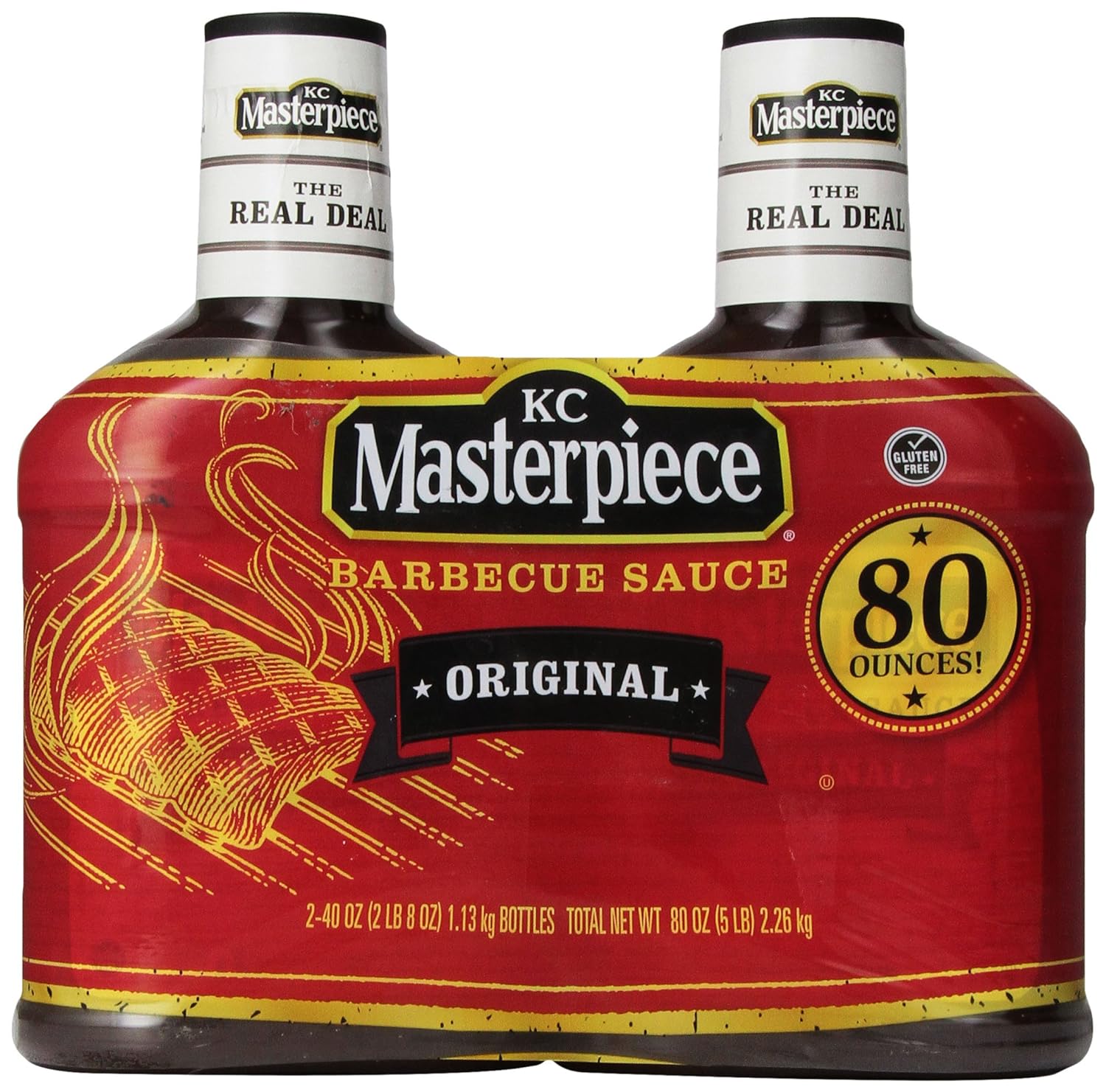
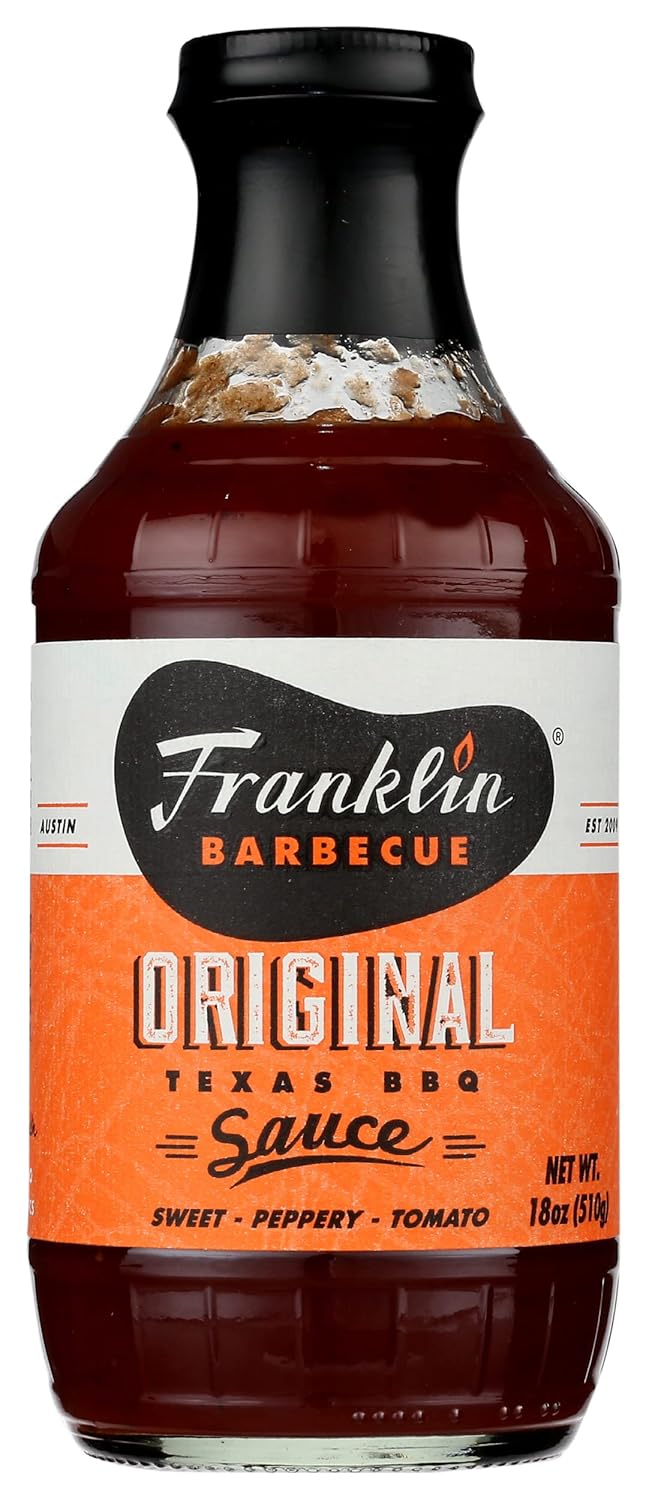
Great smoked turkey breast doesn’t need sauce to be exceptional — the bark and smoke provide their own condiment. But the right sauce elevates the whole experience. Our guide on the best barbecue sauces covers everything from vinegar-forward Carolinas styles to sweet Kansas City glazes to Alabama white sauce.
| Sauce Style | Flavor Profile | Turkey Pairing | Region |
|---|---|---|---|
| Alabama White Sauce | Creamy, tangy, peppery | ✓✓ Exceptional | Deep South |
| Apple Cider Vinegar | Sharp, thin, tangy | ✓✓ Excellent | Eastern NC |
| Sweet Kansas City | Thick, sweet, tomato-forward | ✓ Good | Midwest |
| Texas Mop Sauce | Thin, savory, beef-tallow base | Moderate | Texas |
| Mustard-Based | Tangy, bright, acidic | ✓ Good | South Carolina |
Side Dishes That Complement Smoked Turkey Breast
The deep, smoky, savory character of properly smoked turkey calls for sides that provide contrast: brightness, acidity, or creamy richness. Consider smoked mac and cheese (check our smoked mac and cheese recipe — it cooks beautifully alongside the turkey), grilled corn on the cob (our BBQ corn recipe is perfect), coleslaw with apple cider dressing, roasted sweet potato, cranberry sauce, or smoked green beans with bacon. Avoid heavy, competing smoke flavors in side dishes when your centerpiece is already heavily smoked.
Storing Leftover Smoked Turkey Breast
Smoked turkey keeps beautifully for 4–5 days refrigerated, tightly wrapped or in an airtight container. The smoke itself provides mild antimicrobial properties that extend shelf life slightly beyond unsmoked cooked turkey. For freezing, slice or cube the meat, lay it in a single layer on a parchment-lined tray to freeze, then transfer to freezer bags — this prevents the slices from fusing into a solid block. Frozen smoked turkey maintains excellent quality for 3–4 months.
If you’re interested in how long other BBQ proteins keep, our guide on freezing pulled pork covers the best preservation techniques for smoked meats generally.
Recipe Variations: 5 Ways to Reinvent Your Smoked Turkey Breast
Once you’ve mastered the foundational recipe, these variations open entirely new flavor worlds using the same core technique. Each one changes the flavor profile dramatically while keeping the temperature management and structural approach identical.
1. Maple-Bourbon Smoked Turkey Breast
Replace half the brown sugar in the rub with maple sugar. Add 1 tablespoon of bourbon to the butter baste (the alcohol will evaporate, leaving concentrated flavor). Use a wood blend of maple and pecan. The result is a deeply caramelized, subtly sweet bark with a rounded, slightly nutty finish that’s absolutely exceptional for holiday tables. Brush with a final coat of warm maple syrup at 155°F internal for an almost lacquered exterior presentation.
2. Herb-Butter Rotisserie Style
Skip the traditional rub and instead work a compound butter (room-temperature butter blended with garlic, rosemary, thyme, sage, lemon zest, and black pepper) under the skin and over the surface. The butter acts as both seasoning and a continuous self-basting mechanism throughout the cook. Use apple or peach wood exclusively for a more delicate, herbaceous result. This variation produces a slightly paler bark but an extraordinarily juicy, herbaceous interior that rivals the best rotisserie chicken you’ve ever had.
3. Spicy Chipotle-Citrus Smoked Turkey
Add 1 tablespoon of chipotle powder and 1 teaspoon of ground cumin to the rub. Replace the lemon in the brine with 2 limes plus their zest. In the butter baste, add 1 tablespoon of fresh orange juice and ½ teaspoon of chipotle sauce. Use cherry and hickory wood (70/30 split). The result is bold, smoky-spicy with a citrus brightness that balances the heat. Serve with avocado crema and pickled jalapeños for an elevated presentation.
4. Asian-Inspired Five Spice Turkey
Replace the traditional rub with: 2 tablespoons five spice powder, 1 tablespoon brown sugar, 1 tablespoon garlic powder, 1 teaspoon white pepper, ½ teaspoon ginger powder. For the brine, replace the brown sugar with palm sugar or hoisin sauce, and add 2 star anise and 3 slices of fresh ginger. Use apple wood exclusively. Serve with hoisin dipping sauce and sesame cucumber salad. Unexpected and extraordinary.
5. Competition-Style Championship Turkey
This variation is for when you want to win. Start with a 24-hour dry brine (maximum salt and baking powder ratio). Inject with a mixture of melted butter, chicken broth, Worcestershire, garlic, and smoked paprika. Use a competition rub with higher sugar content for aggressive bark color. Smoke at 225°F with a 50/50 apple/cherry blend for the first two hours. Wrap in a single layer of pink butcher paper (not foil) at 155°F to push through the stall while protecting the bark. Unwrap for the final 30 minutes at 275°F for the high-heat bark finish. The paper wrap technique is what separates competition results from backyard results — it allows some steam exchange while protecting the bark, unlike foil which creates a steaming environment.
For the competition-focused pit master, our guides on the best smokers for low-and-slow cooking and smoked pulled pork recipe will further refine your competition arsenal. Pair this turkey alongside our 3-2-1 ribs method and smoked beef short ribs for a complete competition spread.
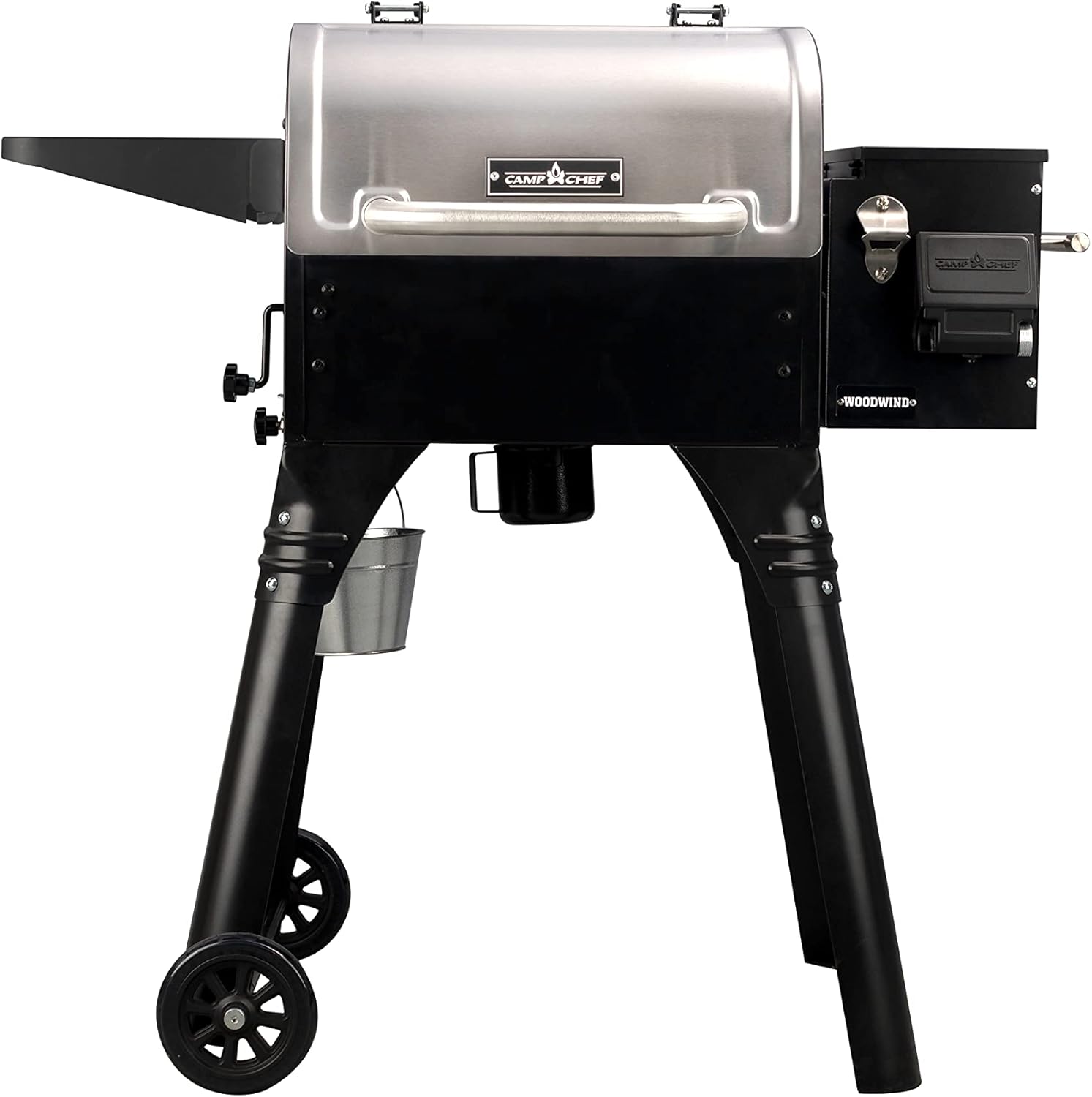
Camp Chef Woodwind WiFi 24 — Our Top Pellet Smoker Pick
Dedicated Smoke Control (1–10 setting), WiFi app control, and the versatility to smoke at 160°F or sear at 650°F. Our full review explains why this is our favorite for turkey.
🛒 Check Price on AmazonFrequently Asked Questions About Smoked Turkey Breast
These are the questions real cooks ask — answered with the same directness and detail as the recipe above. No hedging, no oversimplification.
-
What temperature should smoked turkey breast be when done? +The USDA-recommended safe internal temperature for turkey is 165°F. However, because of carry-over cooking (the internal temperature continues to rise for 5–10 minutes after removal from heat), you should pull your smoked turkey breast at 160–162°F on an instant-read thermometer. Place the probe in the thickest part of the breast muscle, avoiding the bone. After a 20–30 minute rest under loose foil, the meat will safely reach 165°F while retaining maximum juiciness. Pulling at exactly 165°F on the smoker risks arriving at 170–172°F after rest, which noticeably dries out lean white meat.
-
How long does it take to smoke a turkey breast at 225°F? +At a steady 225°F, expect 30–40 minutes per pound for a bone-in turkey breast. A 5 lb split breast typically takes 2.5–3.5 hours; a 7 lb bone-in whole breast takes 3.5–4.5 hours. These are estimates — always cook to internal temperature (160–162°F at pull), not to a clock. Variables like outside temperature, how often the lid is opened, and individual smoker efficiency can add or subtract 30+ minutes from estimated times. If you bump your smoker to 250°F, expect roughly 25–35 minutes per pound instead.
-
Should I brine my turkey breast before smoking? +Yes, absolutely — brining is the most impactful single step in this recipe for moisture and flavor. Turkey breast is a very lean cut with almost no fat marbling to protect it from the drying effects of extended heat exposure. Brining (wet or dry) restructures the muscle proteins to hold significantly more water during cooking, resulting in noticeably juicier slices. At minimum, do a 4-hour dry brine. Ideally, wet brine for 12–18 hours. The only exception: if your turkey was pre-brined at the factory (check the label for “enhanced with solution”), skip additional brining or dramatically reduce salt quantities.
-
Do I need to wrap turkey breast in foil or butcher paper during smoking? +Wrapping is optional for turkey breast but can be beneficial. Unlike brisket (which has a prolonged stall from heavy collagen), turkey breast stalls briefly and at a higher temperature, making it less critical to wrap for time management. If you wrap, use pink butcher paper rather than foil — paper allows some moisture vapor to escape, protecting the bark while still providing a humid environment that pushes through the stall. Foil creates a steam chamber that can make the skin soft and rubbery. If you’re experiencing unusually long cook times or your smoker runs cool, wrapping at 155°F can accelerate the final push to your target temperature by 20–30 minutes.
-
What is the best wood for smoking turkey breast? +Apple and cherry wood are the gold standard for turkey breast — both are mild-to-medium in smoke intensity with a natural sweetness that complements poultry’s delicate flavor without overwhelming it. Apple produces a lighter, slightly sweet smoke; cherry adds a rich mahogany color to the bark and a slightly deeper, more complex smoke note. Pecan is an excellent middle-ground choice with a nutty, medium-rich character. Avoid heavy hardwoods like mesquite and be cautious with hickory — use hickory at no more than 20–30% of your total wood volume, blended with fruitwoods, or it will dominate the flavor.
-
Can I smoke a turkey breast on a gas grill? +Yes, absolutely. Set up your gas grill for indirect heat by lighting only one or two burners on one side and placing the turkey over the unlit burner(s). Target 225–250°F total chamber temperature using the lit burners only. For smoke, use a smoker box or a foil pouch filled with soaked wood chips, placed directly over a lit burner. You’ll need to replenish the chips every 30–45 minutes since they burn quickly in the higher heat of an exposed burner. Alternatively, use wood chunks, which last significantly longer. Check our comparison of grilling vs. smoking mechanics for the full setup details.
-
Why is my smoked turkey skin rubbery instead of crispy? +Rubbery turkey skin is almost always caused by surface moisture. At low smoking temperatures (225–250°F), moisture on the skin’s surface evaporates slowly — if there’s too much moisture present, the skin essentially steam-cooks rather than drying and crisping. The solution: pat the turkey completely dry before applying rub, air-dry in the refrigerator for 4–8 hours after brining (uncovered on a wire rack), apply the dry rub and let it set, and avoid basting the skin in the first two hours of the cook. For guaranteed crispy skin, finish the turkey at 325–350°F for the last 15–20 minutes of cooking.
-
How many pounds of smoked turkey breast do I need per person? +For a main course with several side dishes, plan for ½ to ¾ pound of bone-in turkey breast per person. A 5–6 lb bone-in split breast will comfortably serve 4–6 adults as a main course. A 7–8 lb bone-in whole breast serves 8–10. If you want generous portions or significant leftovers for sandwiches and next-day meals (which are excellent with smoked turkey), budget ¾ to 1 pound per person. Our detailed breakdown in how many pounds of BBQ per person covers serving calculations for all cuts and event sizes.
-
Can I smoke a frozen turkey breast? +Not safely without thawing first. Smoking a frozen turkey breast on a smoker creates a dangerous food safety situation: the exterior will reach smoking temperature and potentially dangerous bacterial zones while the interior is still frozen or barely above freezing. The USDA explicitly prohibits cooking large frozen poultry on a smoker or grill without proper thawing. Thaw in the refrigerator (never on the counter) for 24 hours per 4–5 lbs. For emergency thawing, use a food-safe cold water method: submerge the sealed turkey in cold water, changing water every 30 minutes, at a rate of 30 minutes per pound. Our guide on grilling frozen meat safety covers this topic in depth.
-
What’s the difference between bone-in and boneless turkey breast for smoking? +Bone-in turkey breast is generally superior for smoking. The bone acts as an internal heat conductor that promotes more even cooking, and the surrounding cartilage and fat render slowly into the adjacent meat, providing natural basting and additional flavor. The result is noticeably juicier, more flavorful meat. Boneless turkey breast is more convenient to slice and serves more cleanly for presentation, but requires more attention to avoid drying out — brining and meat injection become even more important with boneless cuts. For your first several smokes, always choose bone-in.
🔥 Fire Up Your Smoker — You’re Ready
Smoked turkey breast is one of the most rewarding projects in all of backyard BBQ. Every element you’ve learned here — the science behind brining, the layered complexity of a well-constructed rub, the patience of low-and-slow temperature management, and the discipline to pull the meat at the right moment and let it rest — adds up to something that genuinely shocks people who’ve only ever had oven-roasted turkey.
The techniques in this guide aren’t shortcuts or approximations. They’re the accumulated wisdom of serious pit masters, applied specifically to the unique challenges of lean poultry on a smoker. Follow them with care, trust your thermometer over your clock, and be patient during the stall. The reward is waiting at the end of that rest period: slices of mahogany-barked, smoke-ringed, impossibly juicy turkey that will make you the most talked-about cook in your circle.
Explore more recipes from our collection and take your smoking craft even further:
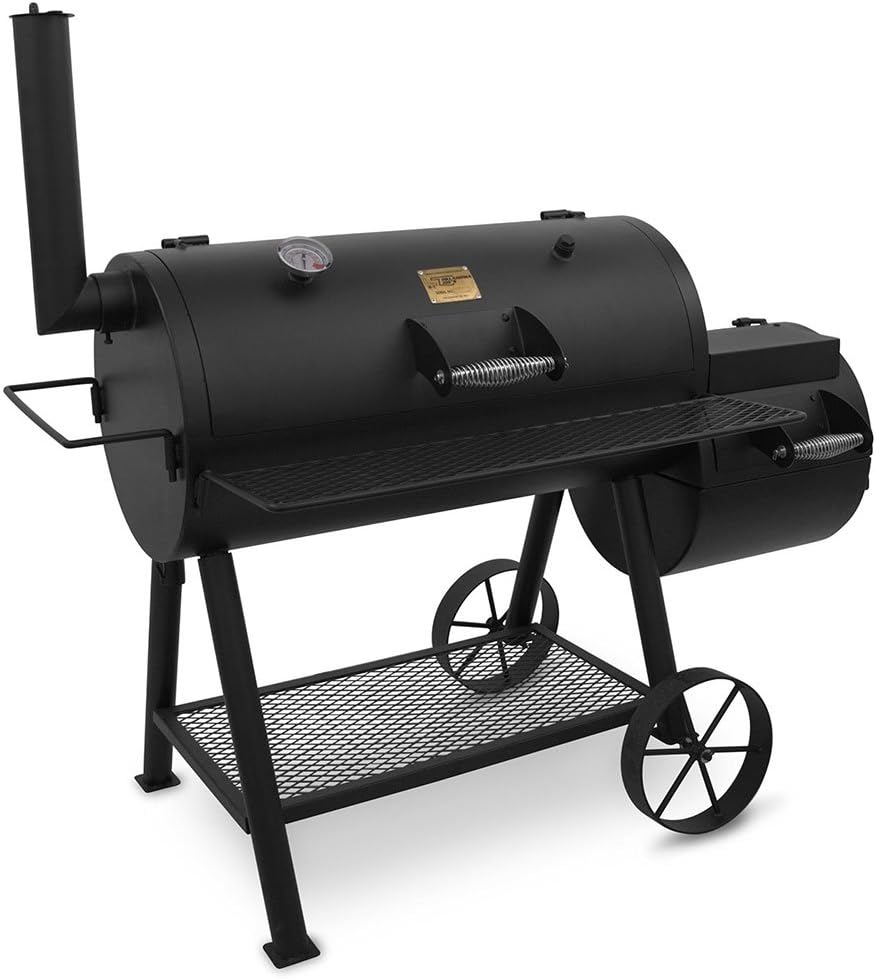
Oklahoma Joe’s Highland Offset Smoker — For the Traditional Pit Master
Classic offset design with a large cooking chamber and excellent heat management. Our in-depth Oklahoma Joe Highland review breaks down every aspect of this legendary smoker.
🛒 Check Price on Amazon